💰 Click here to see Korea Budget Breakdown
💰 Prices updated: 2026-10-01. Budget figures are estimates — always verify before travel.
Exchange Rate: $1 USD = 1,356 KRW
Daily Budget (per person) • Pricing updated as of 2026-10-01
Daily Budget
Shoestring: 60,000 KRW - 95,000 KRW ($44.25 – $70.06)
Mid-range: 130,000 KRW - 250,000 KRW ($95.87 – $184.37)
Comfortable: 350,000 KRW - 550,000 KRW ($258.11 – $405.60)
Accommodation (per night)
Hostel/guesthouse: 25,000 KRW - 65,000 KRW ($18.44 – $47.94)
Mid-range hotel: 90,000 KRW - 165,000 KRW ($66.37 – $121.68)
Food (per meal)
Budget meal (street food): 9,000 KRW ($6.64)
Mid-range meal (restaurant): 22,000 KRW ($16.22)
Upscale meal: 65,000 KRW ($47.94)
Transport
Single subway/bus trip: 1,600 KRW ($1.18)
Climate Card (30-day unlimited): 67,000 KRW ($49.41)
The GTX-C line’s completion in late 2025 has transformed Suwon from a distant day trip into a surprisingly accessible escape from Seoul. What once required careful subway transfers and an hour-plus journey now takes just 28 minutes on the express train. But this UNESCO World Heritage fortress city offers far more than just convenient transportation—it’s home to Korea‘s most complete fortress wall and a food scene that locals guard jealously.
Getting to Suwon via the GTX-C Line
The GTX-C line connects central Seoul to Suwon with unprecedented speed, running from Suseo Station through key stops at Yangjae, Pangyo, and Bundang before reaching Suwon Station. Trains depart every 10 minutes during peak hours and every 15 minutes off-peak, operating from 5:30 AM to midnight daily.
From Suwon Station, Hwaseong Fortress is a pleasant 15-minute walk through the city center. Exit through Gate 4 and follow the clearly marked brown signs—you’ll pass modern shops and traditional markets before the fortress walls come into view. The fortress entrance at Paldalmun Gate sits exactly where it has for over 220 years, now surrounded by a carefully preserved historic district.
Alternative Routes and Connections
If you’re staying in areas not served by GTX-C, Line 1 still connects Seoul to Suwon Station, though the journey takes 50-60 minutes from central Seoul. From Incheon Airport, take the AREX to Gongdeok, transfer to Line 6 to Dongmyo, then Line 1 to Suwon—total travel time is about 90 minutes.
The integrated transit card system works seamlessly across all these routes. Your T-Money card will handle transfers automatically, and the familiar beep as you tap in and out remains consistent whether you’re boarding the high-speed GTX or the local Line 1 service.

Understanding Hwaseong Fortress: What You’re Actually Seeing
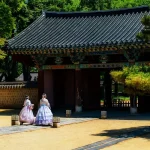
Hwaseong Fortress isn’t just old walls—it represents the pinnacle of late 18th-century Korean military architecture. King Jeongjo built this fortress between 1794 and 1796 as both a defensive structure and a statement of royal power, incorporating innovative features that were revolutionary for their time.
The fortress stretches 5.7 kilometers around the old city center, with 41 architectural features including gates, bastions, observation towers, and command posts. What makes Hwaseong special is its scientific approach to defense—the walls incorporate both traditional Korean techniques and Western military technology introduced by Jesuit scholars.
The Architecture That Changed Everything
Unlike earlier Korean fortresses that simply followed mountain ridges, Hwaseong was planned as a geometric system. The walls include innovative features like curved sections designed to deflect cannon fire, multiple-level defensive positions, and integrated water management systems. Each element serves a specific military function while creating an aesthetically harmonious whole.
The fortress demonstrates the Silhak (practical learning) philosophy of late Joseon Korea—every design element has a practical purpose. The command post at Banghwasuryujeong Pavilion, for example, sits at the fortress’s highest point not for the view, but to provide optimal sight lines for coordinating defensive movements.
Walking along the restored ramparts, you can still see the original stone masonry techniques. The larger stones form the foundation, with smaller stones fitted precisely between them without mortar—a technique that has kept these walls standing for over two centuries through wars, weather, and urban development.
The Complete Walking Route: Gates, Pavilions, and Secret Spots
The standard fortress walk takes 2-3 hours at a comfortable pace, but the route rewards those who know where to linger. Start at Paldalmun Gate, the southern entrance that serves as the fortress’s main portal. This four-story pavilion gate demonstrates the fortress’s dual nature—impressive enough to awe visitors, practical enough to control access and house defensive equipment.

From Paldalmun, head counterclockwise along the western wall. The path climbs gradually toward Seojangdae, the western command post that offers the first dramatic views over modern Suwon. Here, the contrast between ancient defensive architecture and contemporary urban planning becomes most apparent—apartment towers rise beyond walls that once protected against Qing Dynasty raids.
Hidden Gems Along the Ramparts
Between Hwaseomun Gate and Janganmun Gate lies a section most visitors miss—a stretch of original wall where you can walk directly on the ramparts. The stone pathway here shows 200+ years of weathering, with worn spots marking where countless guards walked their posts. On quiet weekday mornings, you might have this section entirely to yourself.
Banghwasuryujeong Pavilion marks the fortress’s highest point and most photographed location. But the real gem sits 100 meters north—an unnamed observation point where the wall makes a sharp turn. From here, the entire fortress layout becomes clear, and you understand how King Jeongjo’s engineers created interlocking fields of fire to protect the city below.
The eastern wall between Changnyongmun Gate and Dongbukgongsimdon offers the fortress’s most dramatic section—steep stairs climbing through dense pine forest before emerging onto high ramparts with views across Gyeonggi Province. The scent of pine needles and the sound of your footsteps on ancient stone create an almost meditative walking experience.
The Secret Northern Section
Most tourists stick to the southern and western walls, but the northern section provides the most authentic fortress experience. Here, the walls run through actual neighborhoods where people live and work around these ancient structures. Small restaurants occupy buildings that back right up to the fortress wall, and you’ll often see residents hanging laundry near 18th-century bastions.

Hwabukgongsimdon, the northern artillery position, sits in this less-visited area and offers unique perspectives on how the fortress integrates with modern Suwon. From this vantage point, you can trace the complete wall circuit while watching daily life unfold in the neighborhoods the fortress still partially defines.
Suwon’s Food Scene: Beyond Galbi
Suwon is famous throughout Korea for galbi, but the city’s food culture extends far beyond grilled ribs. The area around Hwaseong Fortress has developed its own culinary ecosystem, mixing traditional Korean dishes with local specialties that reflect Suwon’s position as Gyeonggi Province’s capital.
The galbi reputation is well-deserved—Suwon’s restaurants have perfected techniques for marinating and grilling beef short ribs that date back generations. But limiting yourself to galbi means missing sundae (blood sausage), which Suwon prepares with a distinctive spice blend, or the local take on bindaetteok (mung bean pancakes) that incorporates vegetables grown in the fertile lands around the city.
Where Locals Actually Eat
Forget the tourist-focused galbi houses near Paldalmun Gate. Walk 10 minutes north to the neighborhood around Janganmun Gate, where small family restaurants serve the food Suwon residents eat daily. Here, a proper galbi meal costs 15,000-20,000 KRW ($11-15 USD) per person instead of the 35,000+ KRW ($26+ USD) charged at fortress-adjacent restaurants.
The market area between Suwon Station and the fortress offers the city’s most authentic food experiences. Small stalls serve hotteok (sweet pancakes) with a local twist—chopped nuts and brown sugar that local vendors have been perfecting for decades. The smell of these pancakes cooking on large griddles fills entire street blocks during cool weather months.
For a proper meal, try the restaurants along Uman-dong Food Street, a narrow alley that runs parallel to the western fortress wall. These establishments serve home-style Korean dishes—kimchi jjigae, bulgogi, bibimbap—prepared by ajummas who have been cooking in the same spots for 20+ years. The flavors here represent authentic regional cooking rather than tourist-friendly adaptations.

Seasonal Specialties and Street Food
Suwon’s street food scene changes with the seasons in ways that reflect the agricultural cycles of surrounding Gyeonggi Province. Spring brings fresh vegetables that vendors incorporate into pajeon (green onion pancakes) and various banchan (side dishes). Summer features naengmyeon (cold noodles) preparations that local restaurants guard as family secrets.
Fall and winter showcase Suwon’s position as a traditional market town. Roasted sweet potatoes and chestnuts appear on street corners, their smoky aromas mixing with the crisp air around the fortress walls. During these months, local restaurants serve hearty stews—gamjatang, budae jjigae, kimchi jjigae—that warm visitors exploring the fortress’s exposed ramparts.
Planning Your Visit: Timing and Logistics
The GTX-C line makes Suwon easily manageable as a day trip, but staying overnight opens up different experiences. A day trip works perfectly for seeing the fortress, eating a good meal, and returning to Seoul by evening. The last GTX-C train departs Suwon at 11:47 PM, giving you plenty of flexibility.
However, staying overnight lets you experience Hwaseong Fortress at different times of day—early morning walks along empty ramparts, sunset views from Banghwasuryujeong Pavilion, and evening explorations of neighborhoods around the fortress walls. The area around the fortress takes on a completely different character after dark, with restaurants and bars that cater to local residents rather than day-trippers.
Making the Most of Limited Time
For a day trip, arrive in Suwon before 10 AM to beat crowds and have optimal light for photos. Walk the fortress circuit counterclockwise, starting at Paldalmun Gate. This route naturally builds to the best viewpoints and ends near the most interesting food options in the northern districts.

Budget 3-4 hours for the complete fortress experience—this includes walking time, stops for photos, and brief exploration of the various gates and pavilions. Add another hour for lunch at a proper local restaurant, and you’ll be back in Seoul by mid-afternoon with time to spare.
2026 Budget Breakdown
Transportation and fortress access remain affordable, but food and accommodation costs have risen with increased tourism following the GTX-C line’s opening. Here’s what to expect for different budget levels:
Budget Day Trip (Under 30,000 KRW / $22 USD)
- GTX-C round trip from Seoul: 8,400 KRW ($6.25 USD)
- Hwaseong Fortress entrance: 1,000 KRW ($0.75 USD)
- Street food lunch: 8,000-12,000 KRW ($6-9 USD)
- Local bus or walking: 3,000 KRW ($2.25 USD) or free
- Drinks and snacks: 5,000-8,000 KRW ($3.75-6 USD)
Mid-Range Day Trip (30,000-60,000 KRW / $22-44 USD)
- GTX-C round trip: 8,400 KRW ($6.25 USD)
- Fortress entrance: 1,000 KRW ($0.75 USD)
- Restaurant meal: 20,000-30,000 KRW ($15-22 USD)
- Taxi between destinations: 8,000-15,000 KRW ($6-11 USD)
- Cafe and additional snacks: 10,000-15,000 KRW ($7.50-11 USD)
Comfortable Overnight (80,000-150,000 KRW / $59-111 USD per person)
- GTX-C round trip: 8,400 KRW ($6.25 USD)
- Hotel (per person, double occupancy): 40,000-80,000 KRW ($30-59 USD)
- Fortress entrance: 1,000 KRW ($0.75 USD)
- Two restaurant meals: 40,000-60,000 KRW ($30-44 USD)
- Local transportation and extras: 15,000-25,000 KRW ($11-18.50 USD)
What’s Changed Since 2024
Restaurant prices around the fortress have increased 15-20% since the GTX-C line opened, reflecting higher foot traffic and tourism demand. However, food costs in neighborhoods further from the fortress remain stable. Accommodation options have expanded significantly, with three new hotels opening near Suwon Station specifically to serve GTX-C passengers.

The fortress itself has added digital guide services and improved English signage throughout 2025 and 2026. These upgrades make independent exploration easier but haven’t significantly changed entrance fees or basic operating procedures.
Frequently Asked Questions
How long does the complete fortress wall walk take?
The full 5.7-kilometer circuit takes 2-3 hours at a comfortable pace, including stops for photos and brief exploration of gates and pavilions. You can complete it faster if focused purely on walking, or spend an entire day if you explore every structure thoroughly.
Is Hwaseong Fortress accessible for people with mobility limitations?
Portions of the fortress are wheelchair accessible, particularly around the main gates and some lower sections of the wall. However, much of the rampart walk involves stairs and uneven stone surfaces. The fortress provides detailed accessibility maps at entrance points.
What’s the best time of year to visit Suwon?
Spring (April-May) and fall (October-November) offer ideal weather and beautiful scenery. Summer can be hot and humid, while winter provides clear views but cold conditions on the exposed fortress walls. Each season offers different photographic opportunities and local food specialties.
Can I bring food and drinks onto the fortress grounds?
Yes, you can bring food and non-alcoholic drinks. Several spots along the wall circuit offer good picnic opportunities with benches and scenic views. However, trash receptacles are limited, so plan to carry out what you bring in.
Do I need to book fortress tickets in advance?
No advance booking is required for individual visitors. The fortress rarely reaches capacity, even on busy weekends. However, if you’re planning to visit during major Korean holidays (Chuseok, Lunar New Year), arriving early in the day ensures the best experience with smaller crowds.
Explore more
Gyeongju Travel Guide: Explore Korea’s Ancient Silla Capital
Pohang Fireworks & Space Walk: The Guide to Korea’s “Steel City” Wonders