On this page
- Why Tongyeong Earned Its ‘Naples of Korea’ Nickname
- Getting to Tongyeong from Busan (and Seoul)
- Day Trip or Overnight? Planning Your Visit
- Top Attractions: Islands, Cable Cars, and Historic Sites
- Tongyeong’s Famous Food Scene: Where to Eat
- Getting Around Tongyeong
- Shopping and Souvenirs
- 2026 Budget Breakdown
- Frequently Asked Questions
💰 Click here to see Korea Budget Breakdown
💰 Prices updated: 2026-10-01. Budget figures are estimates — always verify before travel.
Exchange Rate: $1 USD = 1,356 KRW
Daily Budget (per person) • Pricing updated as of 2026-10-01
Daily Budget
Shoestring: 60,000 KRW - 95,000 KRW ($44.25 – $70.06)
Mid-range: 130,000 KRW - 250,000 KRW ($95.87 – $184.37)
Comfortable: 350,000 KRW - 550,000 KRW ($258.11 – $405.60)
Accommodation (per night)
Hostel/guesthouse: 25,000 KRW - 65,000 KRW ($18.44 – $47.94)
Mid-range hotel: 90,000 KRW - 165,000 KRW ($66.37 – $121.68)
Food (per meal)
Budget meal (street food): 9,000 KRW ($6.64)
Mid-range meal (restaurant): 22,000 KRW ($16.22)
Upscale meal: 65,000 KRW ($47.94)
Transport
Single subway/bus trip: 1,600 KRW ($1.18)
Climate Card (30-day unlimited): 67,000 KRW ($49.41)
Tongyeong’s dramatic coastline draws comparisons to Italy’s Bay of Naples, but this southeastern Korean port city offers something the Mediterranean can’t: easy access as a day trip from Busan. In 2026, improved express bus services and streamlined ferry connections have made Tongyeong more accessible than ever, yet many travelers still overlook this gem for more obvious Destinations.
Why Tongyeong Earned Its ‘Naples of Korea’ Nickname
The comparison isn’t just tourism marketing. Tongyeong’s position on the Goseong Peninsula creates a natural amphitheater of mountains surrounding a deep blue bay dotted with 570 islands. Italian naval officer Enrico De Sanctis coined the nickname in the early 1900s, and it stuck for good reason.
Admiral Yi Sun-sin chose this strategic location for his naval headquarters during the Japanese invasions (1592-1598), understanding that the protected waters and elevated positions provided ideal conditions for Korea’s turtle ship fleet. Today, that same geography creates some of South Korea’s most photogenic coastal scenery.
The city’s maritime heritage runs deeper than most Korean coastal destinations. Tongyeong has been a shipbuilding center for over 400 years, and its traditional music—including the distinctive tongyeong minyo folk songs—developed from centuries of seafaring culture. Unlike manufactured tourist attractions, Tongyeong’s charm comes from its working harbor atmosphere mixed with genuine historical significance.
Getting to Tongyeong from Busan (and Seoul)
From Busan, Tongyeong sits 75 kilometers southwest—close enough for a comfortable day trip but far enough to feel like a different world. The journey takes you through rural Gyeongsangnam-do province, with glimpses of traditional villages and terraced hillsides.
Express buses from Busan’s Seobu Terminal run every 30 minutes (6:00 AM to 9:30 PM) and take 1 hour 20 minutes. The fare costs 6,800 KRW ($5) for standard seats or 9,100 KRW ($6.75) for premium. Book tickets through the Kobus app in 2026—no more waiting in terminal lines.
From Seoul, direct buses leave Gangnam Express Terminal every hour, taking 4 hours 30 minutes for 32,400 KRW ($24). The route includes a rest stop at Jinju, giving you time to stretch and grab snacks.
Driving offers more flexibility for exploring nearby attractions. From Busan, take Highway 14 west through Changwon, then Highway 77 south to Tongyeong. Rental cars cost around 45,000 KRW ($33) per day through major agencies, but parking in central Tongyeong can be challenging during peak season (July-August, October).
The closest KTX station is Masan, 45 minutes away by bus. This route makes sense if you’re combining Tongyeong with other destinations, but direct buses remain more practical for most visitors.
Day Trip or Overnight? Planning Your Visit
Tongyeong works perfectly as a day trip from Busan, but the decision depends on your travel style and interests. Day trippers can hit the main attractions—cable car, harbor views, lunch at the fish market—and return to Busan by evening. The first express bus arrives at 7:40 AM, giving you nearly 12 hours before the last return bus at 9:30 PM.
Staying overnight unlocks Tongyeong’s quieter charms. Evening brings cooler temperatures perfect for waterfront walks, and early morning offers the bay at its most peaceful before tour groups arrive. The sunrise from Mireuksan Park rivals any in Korea, painting the islands in soft pastels as fishing boats head out for the day.
Accommodation options improved significantly in 2026 with three new boutique hotels opening near the harbor. Budget guesthouses start at 35,000 KRW ($26) per night, while ocean-view hotels range from 85,000 KRW ($63) to 150,000 KRW ($111). Book ahead during festival seasons—the Tongyeong International Music Festival (March-April) and the Historic Naval Port Festival (May) fill hotels quickly.
Weather plays a crucial role in timing. Summer brings humidity and crowds but also the best ferry conditions for island hopping. Spring and fall offer comfortable temperatures and clearer views, though sea conditions can be rougher. Winter visits reward you with dramatically moody skies and virtually no crowds, but some island ferry services reduce frequency.
Top Attractions: Islands, Cable Cars, and Historic Sites
Mireuksan Park’s cable car system, upgraded in 2025, provides Tongyeong’s signature experience. The 8-minute ride carries you 461 meters above sea level, where the observation deck reveals the full scope of Tongyeong’s island-dotted seascape. On clear days, you can count dozens of islands stretching to the horizon, each one a different shade of blue-green depending on depth and distance.
The cable car operates from 9:00 AM to 6:00 PM (extended to 9:00 PM during peak season) and costs 11,000 KRW ($8.15) for adults round-trip. The gentle swaying motion and gradually revealing panorama create a meditative experience—you’ll hear the mechanical hum of the cable system mixed with exclamations of delight from fellow passengers as the view opens up.
Dongpirang Village clings to a hillside near the harbor, its narrow alleys lined with murals created by local artists starting in 2007. Unlike touristy mural villages elsewhere in Korea, Dongpirang feels authentic because residents still live here. The artwork reflects local maritime themes—sailors, fishing boats, seagulls—integrated naturally into the neighborhood’s daily life.
Admiral Yi Sun-sin’s statue overlooks Gangguan Harbor from its position at the former site of Tongjeyeong, the admiral’s naval headquarters. The bronze figure stands 17 meters tall, but more impressive is the restored command post behind it, where you can explore rooms displaying turtle ship models and battle strategies that saved Korea from invasion.
Island ferry services from Central Port connect Tongyeong to its most accessible outer islands. Saryang Island, 25 minutes away, offers hiking trails and fishing villages with minimal development. Bijindo Island features white sand beaches and camping facilities, though overnight stays require advance reservations through the island’s community center.
Hidden Gems Beyond the Tourist Trail
Sebyeongwan Hall houses Korea’s largest collection of traditional musical instruments, including pieces dating back 300 years. The building itself dates to 1603, making it one of Korea’s oldest existing government structures. Free performances happen every Saturday at 3:00 PM, featuring traditional Tongyeong folk music performed on historical instruments.
Jeongjangsa Temple, tucked into the mountains 15 minutes from downtown, offers meditation programs for visitors. The temple’s hall contains murals depicting Admiral Yi Sun-sin’s naval victories—an unusual blend of Buddhist art and Korean military history found nowhere else in the country.
Tongyeong’s Famous Food Scene: Where to Eat
Tongyeong’s food reputation centers on three specialties: chungmu gimbap (small rice rolls), fresh oysters, and kkul-bbang (honey bread). The city’s location where warm and cold currents meet creates ideal conditions for shellfish, while its position as a trading port introduced ingredients from across Korea.
Jungang Market, operating since 1946, remains the best place to experience authentic Tongyeong flavors. The market’s narrow aisles buzz with vendors calling out daily specials while the aroma of grilled seafood and fermenting kimchi fills the air. Chungmu gimbap here comes served with spicy radish kimchi and squid side dishes for 3,000 KRW ($2.22) per serving—a complete meal that originated as portable food for local fishermen.
For oysters, head to the harbor-side restaurants along Gangguan Port. Gul-bap (oyster rice soup) showcases Tongyeong’s famous oysters in a warming broth perfect for cool weather. Expect to pay 12,000 KRW ($8.89) for a generous bowl topped with fresh green onions and seaweed. The best restaurants source oysters from nearby Geojedo Island waters, known for producing Korea’s plumpest specimens.
Kkul-bbang originated in Tongyeong during the 1960s when local bakers adapted Japanese pastry techniques. The small, round breads come filled with sweet red bean paste and a honey glaze that creates a perfectly balanced sweetness. Street vendors throughout the city sell them warm for 1,500 KRW ($1.11) each, but Tongyeong Bakery near the bus terminal has been perfecting the recipe for three generations.
Seafood restaurants cluster along the waterfront, offering everything from raw fish to grilled mackerel. Mul-hoe (cold seafood soup) provides a refreshing option during summer visits—thin slices of raw fish in iced broth with vegetables and spicy sauce. Prices range from 15,000 KRW ($11.11) for basic versions to 35,000 KRW ($25.93) for premium selections including sea bream and flounder.
Getting Around Tongyeong
Tongyeong’s compact downtown core makes walking the preferred option for most attractions. The distance from the express bus terminal to Central Port covers just 1.2 kilometers—a pleasant 15-minute walk along tree-lined streets with harbor glimpses between buildings.
City buses connect outlying attractions like Mireuksan Park and Jeongjangsa Temple to downtown. The fare costs 1,370 KRW ($1.01) when paid with a transportation card, or 1,500 KRW ($1.11) in cash. Bus 101 runs a loop connecting the bus terminal, Central Port, and cable car station every 20 minutes from 6:00 AM to 10:00 PM.
Taxis offer convenience for reaching attractions outside walking distance, with most rides within the city costing 5,000-8,000 KRW ($3.70-$5.93). The base fare starts at 3,800 KRW ($2.81) for the first 2 kilometers. Drivers generally understand basic destination names in English, but having your destination written in Korean helps avoid confusion.
Bicycle rentals became more popular in 2026 with the installation of dedicated bike lanes along the waterfront. Several shops near Central Port rent bikes for 8,000 KRW ($5.93) per day, including helmets and basic repair kits. The flat coastal roads make cycling pleasant, though summer heat can be intense between 11:00 AM and 3:00 PM.
Ferry schedules vary by season and destination island. Central Port posts current timetables in Korean and English, with most island routes operating 6-8 times daily during peak season. Round-trip fares range from 8,000 KRW ($5.93) for nearby islands to 15,000 KRW ($11.11) for distant destinations like Bijindo Island.
Shopping and Souvenirs
Tongyeong’s shopping scene focuses on local specialties rather than international brands. Jungang Market remains the authentic choice for food souvenirs—dried seafood, locally produced honey, and packages of kkul-bbang that travel well. The market’s second floor houses traditional craft workshops where artisans create najeonchilgi (mother-of-pearl lacquerware), a Tongyeong specialty dating back 500 years.
Mother-of-pearl craft techniques came to Tongyeong through Chinese traders during the Goryeo period and evolved into a distinctly Korean art form. Today’s artisans create everything from jewelry boxes to furniture, with prices starting at 25,000 KRW ($18.52) for small items and reaching 500,000 KRW ($370) for large decorative pieces. Several workshops offer demonstrations where you can watch craftspeople carefully inlay abalone shell into lacquered surfaces.
The harbor area’s souvenir shops stock typical tourist items—t-shirts, postcards, ceramic replicas of turtle ships—but also carry unique local products. Tongyeong salt, harvested from nearby tidal flats, comes in attractive packaging perfect for gifts. Local honey, produced in the mountain valleys surrounding the city, offers another authentic taste of the region.
For practical items, the area around the bus terminal has convenience stores, pharmacies, and clothing shops. A small department store near Central Port carries cosmetics, electronics, and outdoor gear suitable for island activities. Prices generally run 10-15% higher than Seoul due to transportation costs, but quality remains consistent.
2026 Budget Breakdown
Tongyeong’s costs remain reasonable compared to major Korean destinations, though prices increased modestly in 2026 due to improved infrastructure and growing popularity among domestic tourists.
Transportation
- Express bus from Busan: 6,800 KRW ($5.04) standard, 9,100 KRW ($6.74) premium
- Express bus from Seoul: 32,400 KRW ($24.00)
- Local bus rides: 1,370 KRW ($1.01) with card
- Taxi within city: 5,000-8,000 KRW ($3.70-$5.93)
- Cable car round-trip: 11,000 KRW ($8.15)
Food (per person)
- Budget: 25,000-35,000 KRW ($18.52-$25.93) – street food, market meals, basic restaurants
- Mid-range: 40,000-60,000 KRW ($29.63-$44.44) – seafood restaurants, specialty dishes
- Comfortable: 70,000+ KRW ($51.85+) – premium seafood, harbor-view dining
Accommodation (per night)
- Budget guesthouse: 35,000-45,000 KRW ($25.93-$33.33)
- Mid-range hotel: 85,000-120,000 KRW ($62.96-$88.89)
- Ocean-view hotel: 150,000-250,000 KRW ($111.11-$185.19)
Activities
- Island ferry round-trip: 8,000-15,000 KRW ($5.93-$11.11)
- Museum admissions: 2,000-5,000 KRW ($1.48-$3.70)
- Bicycle rental: 8,000 KRW ($5.93) per day
Daily Total Estimates
Budget day trip from Busan: 45,000-55,000 KRW ($33.33-$40.74)
Mid-range day trip: 70,000-90,000 KRW ($51.85-$66.67)
Comfortable overnight: 180,000-280,000 KRW ($133.33-$207.41) including accommodation
Frequently Asked Questions
Is Tongyeong worth visiting if I only have one day?
Absolutely. The cable car, harbor area, and food scene provide a satisfying day trip from Busan. Start early (7:40 AM bus) to maximize your time and catch better lighting for photos.
What’s the best time of year to visit Tongyeong?
April-May and September-October offer ideal weather with comfortable temperatures and clear views. Summer brings crowds but better ferry conditions for island hopping. Winter visits reward you with dramatic skies and no crowds.
Do I need to speak Korean to get around Tongyeong?
Basic English works at major attractions and hotels, but Korean helps significantly at restaurants and markets. Download a translation app and have destinations written in Korean for taxi drivers.
How much time should I spend at the cable car?
Plan 2-3 hours total: 30 minutes for the round-trip ride, 1-2 hours at the observation deck for photos and hiking trails. Late afternoon provides the best lighting for photography.
Can I visit nearby islands without staying overnight?
Yes, several islands offer 2-3 hour round trips perfect for day visits. Saryang Island (50 minutes total travel time) and closer islands work well. Check ferry schedules carefully to avoid missing the last return boat.
Explore more
Best Day Trips from Busan: Gyeongju, Tongyeong, and Beyond
Suwon Travel Guide: Exploring Korea’s Fortified City Beyond Seoul
How to Spend a Day in Suwon: History, Views & Korean Culture
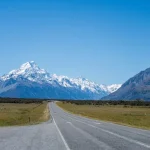
📷 Featured image by JinHui CHEN on Unsplash.