On this page
- 2026 What’s New: Post-Tourism Recovery Changes
- Understanding the “Santorini” Comparison and Why It Matters
- Strategic Timing: When Gamcheon Actually Empties Out
- Alternative Routes: Secret Pathways Away from Tour Groups
- The Upper Village: Where Locals Still Live and Work
- Photography Without the Masses: Hidden Viewpoints
- Local Food Scene: Beyond Tourist-Trap Cafes
- Cultural Programs: Hands-On Experiences Over Selfie Spots
- Smart Transportation: Getting In and Out Efficiently
- Budget Breakdown: Real 2026 Costs
- Frequently Asked Questions
💰 Click here to see Korea Budget Breakdown
💰 Prices updated: 2026-10-01. Budget figures are estimates — always verify before travel.
Exchange Rate: $1 USD = 1,356 KRW
Daily Budget (per person) • Pricing updated as of 2026-10-01
Daily Budget
Shoestring: 60,000 KRW - 95,000 KRW ($44.25 – $70.06)
Mid-range: 130,000 KRW - 250,000 KRW ($95.87 – $184.37)
Comfortable: 350,000 KRW - 550,000 KRW ($258.11 – $405.60)
Accommodation (per night)
Hostel/guesthouse: 25,000 KRW - 65,000 KRW ($18.44 – $47.94)
Mid-range hotel: 90,000 KRW - 165,000 KRW ($66.37 – $121.68)
Food (per meal)
Budget meal (street food): 9,000 KRW ($6.64)
Mid-range meal (restaurant): 22,000 KRW ($16.22)
Upscale meal: 65,000 KRW ($47.94)
Transport
Single subway/bus trip: 1,600 KRW ($1.18)
Climate Card (30-day unlimited): 67,000 KRW ($49.41)
Gamcheon Culture Village’s Instagram-perfect pastel houses draw over 2 million visitors annually to Busan‘s mountainside maze of narrow alleys. But here’s the reality in 2026: most tourists experience the village through a sea of selfie sticks and tour group flags, missing the authentic community that still thrives behind the colorful facades. The challenge isn’t avoiding Gamcheon entirely—it’s discovering the village’s genuine character while the crowds chase the same five photo spots.
2026 What’s New: Post-Tourism Recovery Changes
Gamcheon has implemented significant crowd management measures following the post-pandemic tourism surge. The village now operates a timed entry system during peak hours (10 AM to 4 PM on weekends), limiting group sizes to 15 people maximum. Tour buses must park at the new Gamjeong Station facility and shuttle visitors up via electric vehicles, reducing street congestion.
The village association launched the “Living Heritage” program in early 2026, designating certain residential areas as quiet zones where photography requires permission from homeowners. Digital QR codes now mark these boundaries, replacing the previous confusing signage system.
Most importantly for crowd-averse travelers, Gamcheon introduced evening programs extending operating hours until 9 PM on Fridays and Saturdays. Art installations now feature subtle LED lighting, creating an entirely different atmosphere after sunset when day-trip tourists have departed.
Understanding the “Santorini” Comparison and Why It Matters
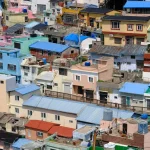
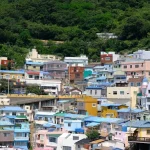
The Santorini nickname stems from Gamcheon’s clifftop position overlooking Busan Harbor and its whitewashed buildings topped with colorful roofs. However, this comparison created unrealistic expectations that drive overtourism to specific viewpoints.
Unlike Santorini’s luxury resort atmosphere, Gamcheon remains a functioning neighborhood where 4,000 residents navigate daily life around tourist foot traffic. The village’s transformation from 1950s refugee settlement to cultural destination happened gradually through community art projects, not commercial development.
Understanding this context helps visitors appreciate Gamcheon’s authentic elements: elderly residents playing traditional games in small courtyards, the smell of home-cooked meals drifting from kitchen windows, and the sound of children playing in narrow alleyways between art installations.
Strategic Timing: When Gamcheon Actually Empties Out
The village operates on predictable crowd patterns that savvy visitors can exploit. Weekday mornings before 10 AM offer the most authentic experience, when local shopkeepers are opening their doors and residents are heading to work.
Tuesday through Thursday between 2 PM and 4 PM creates another sweet spot—Chinese tour groups typically visit Monday and Friday, while Korean domestic tourists favor weekends. During these midweek afternoon hours, you’ll hear the gentle click of elderly residents’ baduk stones and smell the aroma of brewing coffee from local cafes.
Weather plays a crucial role in crowd management. Light rain clears most tourists within 30 minutes, but Gamcheon’s covered walkways and indoor attractions remain accessible. The village takes on a moody, film-noir quality during overcast conditions that many photographers actually prefer.
Winter months (December through February) see 60% fewer visitors than peak summer season, though some outdoor art installations may be covered for protection. The compensation comes through clearer harbor views and the opportunity to experience genuine neighborhood life.
Alternative Routes: Secret Pathways Away from Tour Groups
Most tourists follow the main “Santorini Route” marked by blue arrows, creating bottlenecks at designated photo spots. Local residents use a network of side paths and shortcuts that bypass these congested areas entirely.
Enter through the village’s eastern gate near Gamjeong Elementary School rather than the main western entrance. This approach leads directly to the upper residential area where authentic daily life continues undisturbed. The eastern path connects to hidden staircases that offer equally stunning harbor views without the crowds.

The “Artists’ Route” follows red ceramic markers installed by local creators. This path winds through working studios and quiet courtyards where you might encounter painters creating new murals or ceramicists shaping clay. The route takes 45 minutes compared to the main path’s 20 minutes, but provides meaningful interaction opportunities.
Local guide Kim Min-jung, who has lived in Gamcheon for thirty years, reveals another secret: “The service roads used for garbage collection and deliveries offer the best photography angles. These paths are perfectly legal for walking, but tourists never think to explore them.”
The Hidden Staircase Network
Between Buildings 12 and 14 on Gamcheon-ro, an unmarked staircase leads to a small plateau with panoramic views rivaling the famous Santorini Overlook. This spot accommodates maybe six people comfortably, making it perfect for small groups or couples seeking privacy.
The stairs require moderate fitness—about 150 steps with several rest platforms. At the top, you’ll find a small shrine where locals leave offerings and a weathered bench perfect for watching sunset colors reflect off the harbor water.
The Upper Village: Where Locals Still Live and Work
Above the tourist zone, Gamcheon’s original character persists in narrow alleyways lined with traditional hanok houses and small workshops. This area receives minimal foot traffic because it lacks obvious Instagram opportunities, making it perfect for travelers seeking authentic cultural immersion.
Mrs. Park Jung-sook operates a traditional Korean sock workshop in her family home, welcoming visitors who show genuine interest in her craft. Her grandmother started the business in 1952, and three generations still hand-stitch colorful socks using techniques unchanged for decades. The rhythmic sound of her vintage Singer sewing machine creates an oddly meditative backdrop for conversation.
The upper village’s community center hosts traditional game sessions every Tuesday and Friday afternoon. Elderly residents gather to play baduk, janggi, and hwatu while sharing local gossip and homemade snacks. Respectful visitors can observe or even participate with basic Korean language skills.

Neighborhood Grocery Stores and Daily Life
Two small convenience stores in the upper village serve actual residents rather than tourists. These shops stock everyday necessities: fresh vegetables, cleaning supplies, and local brands rarely seen in tourist areas. The shopkeepers often speak only Korean but appreciate foreign visitors who treat their stores as functioning businesses rather than photo opportunities.
Early morning visits reveal the village’s working rhythm: residents hanging laundry, children walking to school, and delivery trucks navigating impossibly narrow streets. This ordinary life provides context that transforms Gamcheon from a tourist attraction into a living community.
Photography Without the Masses: Hidden Viewpoints
Professional photographers working in Gamcheon share several lesser-known spots that deliver exceptional images without competing for space. These locations require local knowledge and moderate hiking ability, but offer exclusive access to the village’s visual treasures.
The abandoned house at coordinates 35.0976°N, 129.0141°E provides elevated views across the entire village toward Busan Harbor. This building stands empty but stable, with permission from the village council for photography. The second-floor windows frame perfectly symmetrical shots of the pastel houses cascading down the hillside.
During golden hour (approximately 6:30 AM in summer, 7:30 AM in winter), this vantage point catches direct sunlight illuminating the village’s eastern face while the harbor remains in soft shadow. The contrast creates natural drama impossible to achieve from crowded tourist overlooks.
For intimate details rather than sweeping vistas, focus on architectural elements that showcase Gamcheon’s unique character. Weathered wooden doors painted in fading pastels tell stories of decades-old artistic expression. Hand-painted house numbers in Korean calligraphy reveal personal touches that mass tourism hasn’t commercialized.
Seasonal Photography Opportunities
Spring brings cherry blossoms to several hidden courtyards throughout the village. Unlike Busan’s famous cherry blossom festivals that attract massive crowds, Gamcheon’s trees bloom quietly in residential areas where locals planted them decades ago for personal enjoyment.

Winter fog often blankets the lower village while leaving the upper areas in clear sunlight, creating ethereal layered compositions. These conditions occur unpredictably but offer some of the most striking images possible in Gamcheon.
Local Food Scene: Beyond Tourist-Trap Cafes
Gamcheon’s dining landscape divides sharply between Instagram-focused cafes serving overpriced drinks to tourists and authentic neighborhood eateries feeding local residents. The latter category provides superior food experiences at fraction of tourist prices.
Grandma Kim’s Kimbap (할머니 김밥) operates from a tiny storefront near the village’s eastern entrance. Three generations of the same family hand-roll kimbap using recipes perfected over fifty years. Their specialty combines seasoned beef, pickled radish, and homemade kimchi in perfectly seasoned rice. At 3,000 KRW ($2.25) per roll, it costs less than tourist cafe bottled water.
The shop’s interior accommodates maybe eight customers, with mismatched plastic chairs and a view of the family’s prep area where grandchildren help during school holidays. The grandmother speaks minimal English but communicates effectively through gestures and genuine warmth.
Hidden Neighborhood Restaurants
Busan Sikdang (부산식당) serves traditional Korean comfort food in a residential area tourists rarely discover. Their kimchi jjigae bubbles in individual stone pots, filling the small dining room with rich, spicy aromas that signal authentic home-style cooking. The restaurant operates from someone’s converted garage, with the owner’s laundry hanging outside and cats wandering freely between tables.
Menu prices range from 6,000-12,000 KRW ($4.50-$9.00) for substantial meals that locals eat regularly. The ajumma running the kitchen remembers repeat customers’ preferences and often includes extra banchan (side dishes) for friendly foreigners.
For coffee without tourist markup, visit the unnamed cafe run by Mr. Lee, a former merchant marine who roasts beans in his living room. His shop occupies a corner of his house, with seating for six people maximum. Coffee costs 3,500 KRW ($2.60) compared to 8,000 KRW ($6.00) at tourist-focused establishments.

Street Food and Snacks
During weekdays, an elderly woman sells hotteok (sweet pancakes) from a portable cart near the community center. She’s been serving the same spot for twenty years, creating perfectly crispy exteriors around molten brown sugar centers. Local workers buy hotteok during afternoon breaks, creating brief queues that dissolve quickly.
Her hotteok costs 2,000 KRW ($1.50) each—half the price of similar snacks in tourist areas—and tastes significantly better thanks to decades of perfected technique. She speaks only Korean but appreciates customers who wait patiently and don’t photograph her without permission.
Cultural Programs: Hands-On Experiences Over Selfie Spots
Gamcheon offers several immersive cultural programs that provide meaningful engagement with local traditions rather than passive sightseeing. These activities typically require advance booking and attract culturally curious travelers rather than casual tourists.
The Traditional Ceramic Workshop runs Tuesday, Thursday, and Saturday mornings in a converted house where local potter Kim Sang-ho teaches basic pottery techniques. Participants create small bowls or cups using traditional Korean methods, learning about clay preparation and glazing while working alongside Korean students and expatriate residents.
The workshop costs 35,000 KRW ($26) including materials and firing, with finished pieces available for pickup after one week. Kim speaks excellent English from his university teaching background and provides cultural context about Korean pottery traditions while students work.
Mural Painting Participation
The village’s ongoing mural project welcomes volunteer painters during scheduled community workdays. Local artists provide guidance and materials while participants contribute to permanent installations that will outlast typical tourist visits.
These sessions happen irregularly based on weather and artist availability, typically announced through the village’s WeChat group (Korean language) or local community centers. Participation requires no artistic skill—many murals incorporate handprints, simple patterns, or text contributed by visitors from around the world.

The experience provides direct interaction with Gamcheon residents who appreciate foreigners showing genuine interest in community improvement rather than just photo opportunities. Participants often receive invitations to local meals or cultural events not available to typical tourists.
Traditional Music and Dance
The Gamcheon Cultural Center hosts traditional Korean music performances on the first and third Saturday of each month. These intimate concerts feature local musicians playing gayageum, haegeum, and traditional percussion instruments in a setting that accommodates maybe forty audience members.
Tickets cost 15,000 KRW ($11) and include traditional tea service during intermission. The musicians often explain their instruments and invite audience participation in simple songs or rhythmic patterns. These performances attract mostly local residents and culturally engaged expatriates, creating opportunities for cross-cultural conversation.
Smart Transportation: Getting In and Out Efficiently
Gamcheon’s transportation situation improved significantly in 2026 with new shuttle services and parking management systems that reduce congestion while improving access for visitors avoiding tour groups.
The most efficient approach combines Busan’s subway system with the village’s new electric shuttle service. Take Line 1 to Toseong Station, then catch Bus 2-2 or the new electric shuttle every 15 minutes to Gamcheon. This route bypasses downtown traffic and delivers visitors directly to the village’s eastern entrance—the less crowded access point.
Private vehicles face significant challenges during peak hours, with parking limited to 50 spaces at the new Gamjeong Station facility. However, early morning arrivals (before 9 AM) or evening visits find ample parking and minimal traffic congestion.
Alternative Transportation Options
Taxi service to Gamcheon costs approximately 12,000-15,000 KRW ($9-11) from Busan Station, but drivers may struggle with narrow village streets during busy periods. Request drop-off at the eastern entrance to avoid crowds and traffic delays.

The most adventurous option involves hiking from Busan University of Foreign Studies via the mountain trail network. This 45-minute walk provides excellent city views and delivers hikers to Gamcheon’s upper village away from tourist concentrations. The trail requires moderate fitness and weather-appropriate gear.
For departure, the 2-2 bus provides reliable service back to central Busan every 20 minutes until 10 PM. Purchase a WOWPASS card for seamless payment across all public transportation systems—the 2026 version includes contactless payment at village shops and restaurants.
Bicycle Access and Storage
Busan’s bike-sharing system now includes electric bicycles suitable for Gamcheon’s hilly terrain. Rental stations at Toseong Station and Busan University provide access to sturdy e-bikes capable of handling the village’s steep approaches.
Gamcheon offers secure bicycle storage near both entrances, with 24-hour surveillance and weather protection. Storage costs 2,000 KRW ($1.50) per day and includes basic tools for minor adjustments.
Budget Breakdown: Real 2026 Costs
Visiting Gamcheon Culture Village can range from budget-friendly community experience to expensive tourist consumption depending on choices and timing. Here’s realistic pricing for different travel styles in 2026.
Budget Option (Under 25,000 KRW / $18.50 per person)
- Transportation: WOWPASS subway + bus (3,200 KRW / $2.40)
- Village entrance: Free during off-peak hours
- Food: Local kimbap and coffee (6,500 KRW / $5.00)
- Cultural activity: Self-guided walking tour with village map (1,000 KRW / $0.75)
- Souvenir: Handmade postcard from village artist (3,000 KRW / $2.25)
- Miscellaneous: Public restroom, water (1,300 KRW / $1.00)
This approach focuses on authentic neighborhood exploration, local food, and meaningful cultural engagement rather than commercialized attractions. Budget visitors often report more satisfying experiences than those spending significantly more on tourist-focused activities.
Mid-Range Experience (25,000-50,000 KRW / $18.50-37.00 per person)
- Transportation: Taxi one way, public transport return (18,000 KRW / $13.50)
- Village programs: Traditional ceramic workshop (35,000 KRW / $26)
- Food: Neighborhood restaurant meal plus cafe (15,000 KRW / $11)
- Cultural performance: Traditional music concert (15,000 KRW / $11)
- Shopping: Local pottery or textile art (25,000 KRW / $18.50)

Mid-range visitors typically spend 4-6 hours in Gamcheon, combining cultural activities with relaxed exploration. This budget allows meaningful interaction with local artists and craftspeople while avoiding overpriced tourist traps.
Comfortable Experience (50,000+ KRW / $37+ per person)
- Transportation: Private taxi both ways with waiting time (45,000 KRW / $33)
- Guided experience: Private local guide for 3 hours (80,000 KRW / $59)
- Premium dining: Traditional meal at established restaurant (35,000 KRW / $26)
- Exclusive access: Photography workshop with professional instruction (60,000 KRW / $44)
- High-quality souvenirs: Original artwork or handcrafted items (40,000+ KRW / $30+)
Comfortable-budget visitors can access exclusive experiences and personalized service while supporting local artists and businesses at premium rates. This level includes private transportation, professional guidance, and access to special programs not available to casual visitors.
Hidden Costs and Money-Saving Tips
Many visitors underestimate food costs when relying on tourist-focused cafes, where simple drinks can cost 8,000-12,000 KRW ($6-9). Local alternatives provide better value and authentic flavors.
Photography permits for certain residential areas cost 5,000 KRW ($3.75) but provide access to unique viewpoints and support community funds. These permits also include cultural context information not available elsewhere.
Group discounts apply to most cultural programs for 4+ participants, reducing individual costs by 20-30%. Solo travelers can join informal groups through the village’s social media channels or morning bulletin boards.
Frequently Asked Questions
What’s the best time of day to visit Gamcheon to avoid crowds?
Weekday mornings before 10 AM or Tuesday-Thursday afternoons between 2-4 PM offer the most peaceful experience. Evening visits during Friday’s Night Culture program also provide crowd-free access with unique lighting displays.
Can you visit Gamcheon Culture Village for free?
Yes, walking through the village and viewing outdoor art installations costs nothing during off-peak hours. Some indoor exhibitions and cultural programs require fees, but many authentic experiences like observing daily life are completely free.

How long should you spend at Gamcheon Culture Village?
A rushed tourist visit takes 2-3 hours, but meaningful cultural engagement requires 4-6 hours minimum. Full-day visits allow participation in workshops, meals at local restaurants, and genuine interaction with residents and artists.
Is Gamcheon Culture Village suitable for elderly visitors or those with mobility issues?
The village involves significant walking on steep, uneven surfaces. However, the new electric shuttle service reaches the upper village, and several viewpoints are accessible without extensive hiking. The main tourist route includes rest areas and handrails.
What should you wear when visiting Gamcheon Culture Village?
Comfortable walking shoes with good grip are essential for navigating steep, sometimes slippery paths. Dress in layers as hilltop temperatures can differ significantly from Busan’s lower areas. Avoid high heels or sandals without secure straps.
Explore more
Exploring Gamcheon Culture Village: Busan’s Most Photogenic Neighborhood
From Gimhae Airport to Busan City: Best Transport Options Explained
📷 Featured image by Umair Dingmar on Unsplash.