On this page
- 2026 What’s New for Digital Nomads in Jeju
- Understanding Jeju’s Digital Nomad Visa Program
- Application Process and Requirements
- Best Neighborhoods for Remote Work
- Essential Workspace and Connectivity Setup
- 2026 Cost of Living Breakdown
- Banking, Healthcare, and Legal Essentials
- Building Your Local Network
- Seasonal Considerations and Weather Planning
- Tax Implications and Financial Planning
- Frequently Asked Questions
💰 Click here to see Korea Budget Breakdown
💰 Prices updated: 2026-10-01. Budget figures are estimates — always verify before travel.
Exchange Rate: $1 USD = 1,356 KRW
Daily Budget (per person) • Pricing updated as of 2026-10-01
Daily Budget
Shoestring: 60,000 KRW - 95,000 KRW ($44.25 – $70.06)
Mid-range: 130,000 KRW - 250,000 KRW ($95.87 – $184.37)
Comfortable: 350,000 KRW - 550,000 KRW ($258.11 – $405.60)
Accommodation (per night)
Hostel/guesthouse: 25,000 KRW - 65,000 KRW ($18.44 – $47.94)
Mid-range hotel: 90,000 KRW - 165,000 KRW ($66.37 – $121.68)
Food (per meal)
Budget meal (street food): 9,000 KRW ($6.64)
Mid-range meal (restaurant): 22,000 KRW ($16.22)
Upscale meal: 65,000 KRW ($47.94)
Transport
Single subway/bus trip: 1,600 KRW ($1.18)
Climate Card (30-day unlimited): 67,000 KRW ($49.41)
Jeju‘s digital nomad landscape has transformed dramatically since the island launched its dedicated visa program in late 2024. While the concept of working remotely from paradise sounds appealing, the reality involves navigating Korean bureaucracy, finding reliable internet in rural areas, and managing the seasonal tourist crowds that can triple accommodation costs during peak months.
2026 What’s New for Digital Nomads in Jeju
The Jeju Digital Nomad Visa program has undergone significant refinements since its rocky 2024 launch. The most notable change is the introduction of the “Jeju Work-Life Hub” network—five co-working spaces strategically placed across the island with guaranteed fiber internet speeds of 1GB and 24/7 access for visa holders.
New partnerships with major Korean banks now allow digital nomads to open local accounts within 48 hours of arrival, a process that previously took weeks. The island government has also negotiated special rates with select accommodations, offering 20-30% discounts for stays longer than three months.
Perhaps most importantly, Jeju now offers expedited visa processing for applicants from 15 countries, reducing approval times from 8-12 weeks to just 3-4 weeks. The program has also clarified tax obligations, providing English-language guidance that was sorely missing in the initial rollout.
Infrastructure Improvements
The new submarine cable connection to mainland Korea, completed in January 2026, has eliminated the frequent internet outages that plagued remote workers in 2024 and 2025. Mobile coverage has expanded significantly, with 5G now reaching previously dead zones in Hallasan National Park and the eastern coastal areas.
Understanding Jeju’s Digital Nomad Visa Program
Jeju’s digital nomad visa operates as a special subcategory of the C-1 short-term visit visa, allowing remote workers to stay for up to 12 months with the possibility of one 6-month extension. Unlike traditional work visas, this program specifically targets individuals employed by companies outside of Korea or running location-independent businesses.
The visa comes with unique privileges including tax exemptions on foreign-earned income for the first 183 days, access to the Jeju Work-Life Hub network, and expedited services for banking and telecommunications setup. However, it also carries strict limitations—visa holders cannot engage in any form of local employment or establish a Korean business entity.

Eligibility Criteria
The program targets professionals earning at least $3,000 USD monthly from foreign sources, with comprehensive health insurance coverage and a clean criminal background. Proof of employment or business ownership must be substantial. The immigration office requires six months of bank statements, detailed client contracts for freelancers, or employment verification letters with salary details.
Application Process and Requirements
The application process begins online through the Jeju Digital Nomad Portal, launched in 2025 and significantly improved in 2026. Required documents include a completed application form, passport photos, proof of income, health insurance documentation, criminal background checks from your home country, and a detailed work plan explaining how you’ll conduct business from Jeju.
Timeline and Processing
Current processing times average 3-4 weeks for expedited countries (USA, Canada, UK, Australia, Germany, and ten others) and 6-8 weeks for standard processing. Once approved, visa holders have 90 days to enter Korea and complete registration at the local immigration office in Jeju City.
Best Neighborhoods for Remote Work
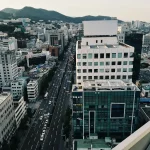
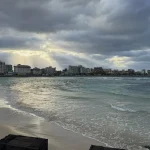
Jeju City’s Nohyeong-dong district has emerged as the unofficial digital nomad headquarters, with its concentration of cafes offering reliable WiFi, proximity to government offices, and reasonable accommodation costs. Seogwipo appeals to nomads seeking a quieter environment with stunning ocean views.
Emerging Nomad Communities
Aewol’s coastal charm attracts creative professionals and content creators drawn to the dramatic cliffs and traditional stone walls. Udo Island, accessible by a short ferry ride, has developed a small but dedicated community of nomads seeking complete disconnection from urban distractions, though accommodation options remain limited.

Essential Workspace and Connectivity Setup
Internet reliability varies dramatically across Jeju, making location choice critical for remote work success. The Jeju Work-Life Hub locations in Jeju City, Seogwipo, Aewol, Jocheon, and Seongsan offer guaranteed connectivity, but booking slots requires advance planning during peak seasons.
Private accommodation internet speeds range from excellent (100MB+ fiber) in urban areas to problematic (spotty 4G) in rural locations. Always test internet speed before committing to longer-term rentals, and have backup connectivity options including mobile hotspots and co-working day passes.
Co-working Spaces and Alternatives
Beyond the official Work-Life Hubs, several private co-working spaces have opened to serve the growing nomad community. Many cafes now cater specifically to remote workers, with power outlets at every table and robust WiFi networks.
2026 Cost of Living Breakdown
Living costs in Jeju vary significantly by season and location choice. Budget-conscious nomads can survive on ₩2,500,000-₩3,500,000 monthly ($1,850-$2,590), while comfortable living costs ₩4,500,000-₩6,000,000 monthly ($3,330-$4,440).
Accommodation Costs
- Budget: Guesthouses and shared accommodations ₩800,000-₩1,500,000/month ($590-$1,110)
- Mid-range: Private studios and one-bedroom apartments ₩1,800,000-₩3,000,000/month ($1,330-$2,220)
- Comfortable: Premium apartments and houses ₩3,500,000-₩6,000,000/month ($2,590-$4,440)
Daily Expenses
Food costs depend heavily on dining choices. Local markets offer fresh ingredients at reasonable prices—₩30,000-₩50,000 weekly ($22-$37) for groceries. Restaurant meals range from ₩8,000-₩15,000 ($6-$11) at local establishments to ₩25,000-₩40,000 ($18-$30) at tourist-focused venues.
Transportation costs remain minimal with excellent bus connectivity at ₩1,200 per ride ($0.90). Car rentals cost ₩250,000-₩400,000 monthly ($185-$295) including insurance. Co-working spaces charge ₩15,000-₩25,000 daily ($11-$18) or ₩200,000-₩350,000 monthly ($145-$260).
Banking, Healthcare, and Legal Essentials
Opening a Korean bank account as a digital nomad became significantly easier in 2026. Shinhan, KB Kookmin, and Hana banks now offer streamlined processes for visa holders, requiring only passport, alien registration card, and proof of address. Account opening typically completes within two business days.

The new “Nomad Banking Package” includes debit cards, mobile banking access, and international transfer services with reduced fees. Monthly maintenance fees range from ₩3,000-₩8,000 ($2-$6), with fee waivers available for maintaining minimum balances of ₩1,000,000 ($740).
Healthcare Access
Digital nomad visa holders cannot access Korean National Health Insurance but must maintain comprehensive private insurance throughout their stay. Jeju’s medical facilities include excellent private hospitals with English-speaking staff, with consultation fees ranging from ₩50,000-₩150,000 ($37-$111) depending on specialization.
Legal Compliance
Maintaining legal status requires careful attention to visa conditions. Working for Korean companies or clients violates visa terms and can result in deportation. All income must originate from foreign sources, with documentation maintained for potential immigration review.
Address registration updates are required within 90 days of moving, completed at local gu offices. The immigration office conducts random compliance checks, particularly for longer-stay visa holders.
Building Your Local Network
Jeju’s digital nomad community has grown from a handful of pioneers in 2024 to several hundred active members by 2026. The “Jeju Digital Nomads” KakaoTalk group serves as the primary networking hub, with monthly meetups rotating between Jeju City and Seogwipo, typically drawing 30-50 attendees.
Integration Opportunities
Language exchange programs connect nomads with local English learners, providing cultural immersion opportunities. Volunteering opportunities through organizations like Jeju Green Network offer meaningful ways to give back while building local connections.
Seasonal Considerations and Weather Planning
Jeju’s seasonal variations dramatically impact both costs and quality of life for digital nomads. Summer months (June-August) bring oppressive humidity, frequent typhoons, and accommodation costs that can triple during peak weeks. Winter offers the most affordable accommodation rates and reliable internet connectivity, but brings challenges including limited heating in older buildings.

Optimal Timing Strategies
Spring (March-May) and autumn (September-November) offer ideal conditions for nomads, with comfortable temperatures, reasonable accommodation costs, and reliable weather for outdoor work sessions. Typhoon season (June-October) requires contingency planning for extended power outages and limited transportation.
Tax Implications and Financial Planning
The 183-day tax exemption rule creates a crucial planning threshold for digital nomads in Jeju. Income earned from foreign sources remains exempt from Korean taxation for the first 183 days of residency, but crossing this threshold triggers Korean tax obligations on worldwide income.
Most nomads structure their stays to remain below the 183-day limit, often taking 2-3 week breaks outside Korea to reset the counter. This strategy requires careful record-keeping of entry and exit dates, as Korean immigration maintains detailed records of all movements.
Financial Management
International transfer fees vary significantly between services. Traditional banks charge ₩15,000-₩30,000 per transfer ($11-$22) plus exchange rate margins, while services like Wise and Remitly offer competitive rates with fees around ₩5,000-₩10,000 ($4-$7).
Maintaining adequate emergency funds becomes critical when living abroad. Recommended emergency funds equal 3-4 months of living expenses in Korean won, plus additional reserves in home currency for unexpected travel or evacuation needs.
Frequently Asked Questions
Can I extend my digital nomad visa beyond 18 months total?
No, the current program allows maximum 18 months (12-month initial visa plus 6-month extension). After this period, you must leave Korea for at least 6 months before reapplying. Immigration officials strictly enforce this cooling-off period.
What internet speed can I expect across different areas of Jeju?
Urban areas (Jeju City, Seogwipo) typically offer 100MB+ fiber connections. Rural and coastal areas vary from excellent to problematic. Always test internet before committing to accommodation, especially in Aewol, Udo, or mountainous regions.

Are there restrictions on the type of work I can do?
You can only work for foreign companies or clients. Any work for Korean entities, including freelance services to Korean businesses, violates visa conditions. Content creation about Korea is permitted if monetized through foreign platforms.
How does the 183-day tax rule affect visa extensions?
Staying over 183 days triggers Korean tax residency, requiring you to pay taxes on worldwide income. Many nomads take breaks outside Korea to avoid this threshold while maintaining visa validity for the full allowed period.
What happens if I need emergency medical care?
Your mandatory private insurance covers emergencies, but you’ll likely pay upfront and claim reimbursement. Major hospitals like Halla General have English-speaking staff and international patient services. Keep emergency contact information for your insurance provider readily available.
Explore more
Top 15 Must-Do Things in Jeju Island for an Unforgettable Trip
The Ultimate Jeju Island Day Trip Itinerary: What to See & Do
10 Must-Do Jeju Excursions for Your First Visit
📷 Featured image by Red Shuheart on Unsplash.