On this page
- 2026 What’s New in Jeju’s Cafe Scene
- Architectural Marvels: Where Design Meets Coffee
- Oceanfront Cafes That Redefine Island Living
- The Sustainability Revolution in Jeju Coffee
- Hidden Gems in Hallim and Western Jeju
- Seongsan and Eastern Coast Coffee Adventures
- Jeju City’s Urban Cafe Culture
- Best Times and Seasons for Cafe Hopping
- Budget Breakdown: Cafe Costs Across the Island
- Frequently Asked Questions
💰 Click here to see Korea Budget Breakdown
💰 Prices updated: 2026-10-01. Budget figures are estimates — always verify before travel.
Exchange Rate: $1 USD = 1,356 KRW
Daily Budget (per person) • Pricing updated as of 2026-10-01
Daily Budget
Shoestring: 60,000 KRW - 95,000 KRW ($44.25 – $70.06)
Mid-range: 130,000 KRW - 250,000 KRW ($95.87 – $184.37)
Comfortable: 350,000 KRW - 550,000 KRW ($258.11 – $405.60)
Accommodation (per night)
Hostel/guesthouse: 25,000 KRW - 65,000 KRW ($18.44 – $47.94)
Mid-range hotel: 90,000 KRW - 165,000 KRW ($66.37 – $121.68)
Food (per meal)
Budget meal (street food): 9,000 KRW ($6.64)
Mid-range meal (restaurant): 22,000 KRW ($16.22)
Upscale meal: 65,000 KRW ($47.94)
Transport
Single subway/bus trip: 1,600 KRW ($1.18)
Climate Card (30-day unlimited): 67,000 KRW ($49.41)
Jeju‘s cafe scene has exploded far beyond Instagram-worthy backdrops, evolving into a sophisticated ecosystem where cutting-edge architecture, ocean panoramas, and eco-conscious brewing converge. By 2026, the island hosts over 2,000 cafes—more per capita than Seoul—each competing not just for the perfect latte art, but for environmental credentials and architectural innovation that respects Jeju’s volcanic landscape.
2026 What’s New in Jeju’s Cafe Scene
The opening of the Second Jeju Airport has fundamentally shifted cafe geography. The new western terminal sparked a cafe boom in Hallim and Hankyeong areas, with established Seoul roasters like Blue Bottle and % Arabica opening flagship locations designed specifically for Jeju’s climate and stone architecture.
Jeju’s 2025 UNESCO recognition as a “Biosphere Reserve for Sustainable Tourism” catalyzed a green cafe movement. Over 150 cafes now participate in the “Jeju Green Bean” certification program, sourcing beans exclusively from Fair Trade farms and operating with renewable energy. The island’s new waste-to-energy plant processes coffee grounds from participating cafes, creating a circular economy that visitors can witness firsthand.
Mobile ordering apps have localized for Jeju’s unique needs. The new “Jeju Cafe Pass” integrates with Kakao Map’s 2026 offline functionality, allowing tourists to pre-order drinks even without cellular coverage in remote coastal areas. The pass offers discounts at 300+ participating cafes and tracks your carbon footprint for each visit.
Weather-resistant architecture has become standard after Typhoon Khanun’s 2024 damage. New cafes feature retractable glass walls, underground seating areas, and storm-rated panoramic windows that maintain ocean views year-round.
Architectural Marvels: Where Design Meets Coffee
Cafe Darak stands as Jeju’s architectural crown jewel, its curved concrete shell echoing the island’s volcanic domes while maximizing views toward Hallasan. Korean architect Moon Hoon designed the structure to capture prevailing winds for natural cooling, eliminating air conditioning needs eight months per year. The building’s undulating roofline channels rainwater into an underground cistern that supplies the cafe’s brewing water after volcanic rock filtration.

In Seogwipo, Glass House Coffee occupies a transparent cube suspended over black lava rocks. The structure appears to float above the coastline, its floor-to-ceiling windows providing 360-degree views while specialized UV coating protects both guests and coffee beans from harsh sunlight. The sound of waves hitting rocks below creates a natural soundtrack that changes with tides and weather.
Monsant Cafe pioneered Jeju’s “invisible architecture” trend, embedding its structure so seamlessly into a hillside that many visitors walk past without noticing. Only the glass entrance reveals the underground cafe, where skylights carved through volcanic rock create dramatic lighting that shifts throughout the day. The temperature remains constant year-round thanks to the earth’s natural insulation.
Terarosa Coffee’s Jeju flagship incorporates traditional Jeju stone walls (doldam) into its modern steel framework. The contrast between ancient basalt construction and contemporary roasting equipment creates visual tension that reflects Jeju’s broader cultural evolution. Large windows frame specific views of Hallasan, treating the mountain as living artwork.
The new Aewol Cliff Cafe extends 15 meters over the ocean on steel cantilevers, creating the sensation of drinking coffee while suspended above waves. Engineering requirements for typhoon resistance resulted in a structure more robust than many bridges, yet its minimal profile maintains the coastline’s natural beauty.
Oceanfront Cafes That Redefine Island Living
Bomnal Cafe in Gujwa commands the island’s most dramatic coastline, where black volcanic cliffs meet turquoise water. The cafe’s deck extends to cliff edges, secured by invisible cables that maintain unobstructed views. During winter storms, waves crash just meters below outdoor seating, creating a powerful sensory experience enhanced by the cafe’s custom sound system that amplifies natural ocean acoustics.

Cafe Delmoondo occupies a restored lighthouse keeper’s cottage on Seongsan’s eastern shore. Original stone walls frame floor-to-ceiling windows that capture sunrise views over Seongsan Ilchulbong. The cafe roasts beans using a vintage Italian machine positioned where guests can watch both the roasting process and dawn breaking simultaneously. The aroma of freshly roasted coffee mingles with salt air for a uniquely Jeju sensory combination.
Along Hamdeok Beach, Wave Coffee operates from converted shipping containers elevated on steel platforms. High tide brings water directly beneath the cafe, creating the illusion of floating on the ocean. The modular design allows sections to be reconfigured based on weather and season, with heated indoor modules added during winter months.
Sunset Peak Coffee in Hallim offers dual ocean views toward both Biyangdo Island and the mainland coast. The cafe’s rotating seating system slowly turns throughout the day, ensuring every customer experiences optimal views regardless of arrival time. Solar panels integrated into the rotation mechanism power the movement system while generating excess energy for brewing equipment.
O’sulloc Tea Museum’s new coffee annex features a rooftop cafe with retractable glass ceiling panels. When conditions allow, the entire roof opens to create an outdoor experience with weather protection instantly available. The design accommodates Jeju’s rapidly changing weather while maximizing ocean exposure during favorable conditions.
The Sustainability Revolution in Jeju Coffee
Jeju’s volcanic soil has proven surprisingly suitable for coffee cultivation, with experimental farms in Hallasan’s mid-elevation zones now producing limited-edition Jeju-grown beans. Bonte Coffee operates the island’s first commercial coffee farm, using traditional Jeju farming techniques adapted for coffee plants. Their 2026 harvest yielded just 200 kilograms, sold exclusively at their Aewol cafe for 25,000 KRW ($18.50) per cup.

Zero-waste initiatives have transformed how cafes operate. Cafe Yeonnam in Jeju City eliminated all disposable items, providing ceramic cups even for takeaway orders through a island-wide deposit system. Customers pay a 3,000 KRW ($2.20) deposit, returnable at any participating location. Used coffee grounds become compost for the cafe’s herb garden, which supplies ingredients for signature drinks.
Renewable energy integration reaches beyond solar panels. Wind-powered grinders harness Jeju’s constant coastal breezes, while geothermal systems tap volcanic heat for brewing water temperature control. Innisfree Cafe’s new Hallasan location operates entirely off-grid using a combination of wind, solar, and geothermal energy, proving sustainable operation viable even in remote locations.
Bean sourcing has localized through direct relationships with farming cooperatives in Guatemala, Ethiopia, and Colombia. Jeju Roasters Collective coordinates bulk shipments that reduce transportation emissions while ensuring participating cafes access premium beans at wholesale prices. The collective’s transparency reports track carbon footprint from farm to cup, displayed prominently in member cafes.
Water sustainability addresses Jeju’s unique challenges as an island ecosystem. Advanced filtration systems process rainwater and greywater for brewing, while closed-loop systems recycle cleaning water. Some cafes showcase their water processing equipment as educational displays, helping visitors understand island resource management.
Hidden Gems in Hallim and Western Jeju
Cafe Sealala occupies a converted traditional Jeju house in Hallim-eup, where original stone walls and wooden beams frame views toward Biyangdo Island. The owners, former Seoul residents, maintained authentic architectural details while installing modern brewing equipment in spaces once used for storing fishing nets. Hand-pulled espresso shots use traditional lever machines, creating ceremony around each cup preparation.
Hidden in Hankyeong’s agricultural fields, Milk Cloud Cafe operates from a renovated dairy barn surrounded by rapeseed flowers that bloom brilliant yellow each spring. The cafe sources milk from neighboring farms for house-made ice cream flavors that change seasonally—cactus fruit in summer, sweet potato in autumn, and Hallabong orange in winter. Outdoor seating among flower fields creates an agricultural tourism experience unique to western Jeju.

Mountainside retreat Pinx Coffee requires a 20-minute hike through pine forest to reach its minimalist pavilion structure. No electrical grid connection means hand-pressed coffee preparation and composting toilets, but panoramic views across Jeju’s western coastline justify the effort. The cafe operates seasonally from April through October, with reservation-only service limiting daily visitors to preserve the forest environment.
Geumneung Beach’s Container Ground houses multiple cafe concepts in repurposed shipping containers arranged around a central courtyard. Each container specializes differently—specialty coffee, bubble tea, craft beer, and artisan ice cream—while sharing seating areas that overlook one of Jeju’s finest sunset beaches. The flexible layout adapts to seasonal crowd patterns while maintaining low environmental impact.
Cafe Sora in remote Gosan-ri offers the island’s most isolated coffee experience, accessible only by narrow coastal roads that wind between stone walls. The reward: complete solitude with dramatic cliff views and coffee prepared by a former Seoul barista championship finalist who relocated to embrace Jeju’s slower pace. Limited operating hours (Thursday-Sunday only) ensure exclusivity.
Seongsan and Eastern Coast Coffee Adventures
Seongsan Ilchulbong’s shadow hosts several cafes strategically positioned for sunrise viewing. Cafe Mangdol opens at 4:30 AM during summer months, serving coffee and pastries to early risers climbing the volcanic cone for dawn views. Post-hike coffee tastes exceptional after the physical effort, enhanced by endorphins and accomplishment feelings.
Seopjikoji’s dramatic coastline features Cafe Lucia, built into natural rock formations that provide wind protection while maintaining ocean access. Underground tunnels carved through volcanic rock connect separate seating areas, allowing movement between spaces without weather exposure. The cafe’s signature drink incorporates sea salt harvested from pools below the building.

Rural Pyoseon Beach area hides Vintage Coffee Works in a converted 1970s gas station, complete with original pumps repurposed as decoration. The retro aesthetic contrasts sharply with sophisticated brewing equipment and carefully curated bean selection. Outdoor seating faces the beach where locals surf year-round, creating authentic community atmosphere away from tourist concentrations.
Cafe Orangina occupies coastal farmland where actual orange trees provide natural shade for outdoor seating. Fresh orange juice blends with espresso for signature drinks that capture Jeju’s agricultural identity. The cafe operates seasonally around orange harvest periods, with fresh fruit availability determining menu options and operating schedules.
Manjanggul Cave area features Underground Cafe, literally built into lava tube extensions that maintain constant 15°C temperature year-round. Natural cave acoustics amplify coffee grinding and milk steaming sounds while eliminating outside noise. The unique environment requires reservation due to limited capacity and air circulation constraints.
Jeju City’s Urban Cafe Culture
Downtown Jeju has evolved beyond tourist-focused establishments toward sophisticated urban coffee culture serving local residents. Samdo 2-dong’s cafe strip rivals Seoul’s Hongdae for density and quality, with roasters, specialty brewers, and experimental coffee labs concentrated within walking distance.
Coffee Libre operates Jeju’s most advanced coffee laboratory, where customers observe experimental brewing methods including nitrogen infusion, cold distillation, and fermentation techniques typically reserved for alcohol production. Educational tastings compare identical beans prepared through different methods, revealing how processing affects flavor profiles. Technical explanations satisfy coffee enthusiasts while remaining accessible to casual drinkers.
Jeju Traditional Market area houses several cafes integrating with market vendors for unique food pairings. Cafe Jungmun sources ingredients directly from neighboring stalls—fresh fish for coffee marinades, seasonal fruits for syrups, and local honey for natural sweeteners. Market noise and energy create urban authenticity distinct from peaceful coastal locations.

University area cafes cater to Jeju National University students with late-night hours, study-friendly environments, and affordable pricing. 24-hour operations during exam periods serve students pulling all-nighters, while daytime hours welcome locals seeking quality coffee without tourist markup. Free WiFi and abundant electrical outlets acknowledge modern work patterns.
Jeju’s emerging creative district around the old airport area features artist-run cafes showcasing local talent. Gallery walls display rotating exhibitions while coffee sales support artist stipends. Performance spaces host acoustic music, poetry readings, and art talks that animate evening hours beyond typical cafe operations. Cultural programming varies monthly, requiring social media monitoring for current offerings.
Best Times and Seasons for Cafe Hopping
Spring rapeseed season (April-May) transforms western Jeju into golden landscapes perfect for outdoor cafe experiences. Mild temperatures and flower blooms create optimal conditions for coastal and rural cafes, though weekend crowds require early arrival at popular locations. Cherry blossoms around Hallasan add another visual layer for mountain-adjacent cafes.
Summer typhoon season (July-September) showcases cafes designed for dramatic weather viewing. Storm watching from protected indoor spaces creates memorable experiences, particularly at clifftop locations where waves reach spectacular heights. Advance weather monitoring allows planning around storm arrivals for maximum impact viewing.
Autumn’s clear skies and stable weather (October-November) provide ideal conditions for architectural photography and outdoor seating comfort. Reduced tourist crowds allow unhurried exploration while maintaining full operating schedules. Seasonal menu items feature Jeju’s autumn harvest—sweet potatoes, tangerines, and chestnuts.
Winter offers unique experiences for visitors willing to brave cooler temperatures. Reduced operating hours at some locations concentrate activity at year-round establishments, creating cozy community atmospheres. Hot coffee tastes more satisfying against cold ocean winds, while indoor heating creates comfort contrast with outdoor elements.
Weekday mornings (8:00-11:00 AM) provide optimal experiences at popular locations before tourist groups arrive. Local customers dominate early hours, offering insights into authentic Jeju cafe culture versus visitor-focused experiences. Staff attention improves with smaller crowds, allowing detailed brewing explanations and personalized recommendations.

Budget Breakdown: Cafe Costs Across the Island
Budget Conscious (10,000-15,000 KRW / $7.40-11.10 per person):
- Local neighborhood cafes in residential Jeju City areas
- University district establishments with student-friendly pricing
- Traditional market area cafes with basic espresso drinks
- Container cafes with simplified operations and lower overhead
- Self-service locations where customers bus their own tables
Mid-Range Experience (15,000-25,000 KRW / $11.10-18.50 per person):
- Coastal cafes with ocean views and standard specialty drinks
- Architectural cafes featuring interesting design elements
- Cafes with house-roasted beans and brewing demonstrations
- Establishments offering light food alongside quality coffee
- Seasonal operations with unique location advantages
Premium Experiences (25,000-40,000 KRW / $18.50-29.60 per person):
- Clifftop locations with dramatic ocean positioning
- Cafes featuring rare Jeju-grown coffee or exclusive imports
- Architect-designed spaces with international recognition
- Full-service establishments with extensive food menus
- Remote locations requiring hiking or special access
Transportation adds 15,000-30,000 KRW ($11.10-22.20) daily for rental car access to remote locations, while some cafes offer shuttle services from main tourist areas for 5,000-8,000 KRW ($3.70-5.90) per person. Public bus access limits options but reduces costs significantly.
Seasonal pricing fluctuations affect premium locations during peak periods (July-August, October-November), with surcharges of 20-30% common at popular coastal cafes. Conversely, winter discounts at seasonal operations can reduce costs by similar margins.
Frequently Asked Questions
Do I need a car to visit Jeju’s best cafes?
While public transportation reaches major cafe areas, the most spectacular locations require private transportation. Rental cars offer maximum flexibility, but motorcycle rentals and taxi services provide alternatives for specific destinations.
Which cafes operate year-round versus seasonally?
Urban Jeju City locations and established coastal cafes maintain year-round operations, while remote mountain and agricultural area cafes often close during winter months. Check individual cafe social media for current operating schedules.
Can I find good coffee without ocean views?
Absolutely. Jeju City’s urban cafes focus on coffee quality over scenery, while mountain-area locations offer forest and volcanic landscape alternatives. Some visitors prefer non-coastal cafes for authentic local experiences.
Are reservations necessary for popular cafes?
Only extremely remote or capacity-limited locations require reservations. Most cafes operate on first-come basis, though arriving early (before 10 AM) ensures seating at popular coastal locations during peak seasons.
What’s the best way to discover new cafes while exploring?
Download KakaoMap’s offline functionality and enable cafe discovery features. Local Instagram hashtags like #제주카페 reveal recently opened locations, while asking locals for recommendations often uncovers hidden gems not found in guidebooks.
Explore more
Where to Stay in Jeju City: Top Neighborhoods for Every Traveler’s Style
Top 10 Beaches in Jeju Island: Sun, Sand & Serenity on South Korea’s Coast
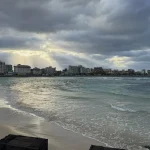
📷 Featured image by yeojin yun on Unsplash.