On this page
- 2026 What’s New: Prices and Rules That Changed Your Budget
- The Short Answer: Daily Budgets by Travel Style
- Flights and the Airport Run
- Where You Sleep Sets Your Budget: Neighbourhood Price Guide
- Eating Well for Less: Where to Spend Your Won
- Moving Around Seoul: Transit Costs
- Sights, Tickets, and Activities
- Day Trips Beyond the City
- Hidden Costs and Smart Savings
- Sample 5-Day Totals
- Frequently Asked Questions
💰 Click here to see Korea Budget Breakdown
💰 Prices updated: 2026-10-01. Budget figures are estimates — always verify before travel.
Exchange Rate: $1 USD = 1,356 KRW
Daily Budget (per person) • Pricing updated as of 2026-10-01
Daily Budget
Shoestring: 60,000 KRW - 95,000 KRW ($44.25 – $70.06)
Mid-range: 130,000 KRW - 250,000 KRW ($95.87 – $184.37)
Comfortable: 350,000 KRW - 550,000 KRW ($258.11 – $405.60)
Accommodation (per night)
Hostel/guesthouse: 25,000 KRW - 65,000 KRW ($18.44 – $47.94)
Mid-range hotel: 90,000 KRW - 165,000 KRW ($66.37 – $121.68)
Food (per meal)
Budget meal (street food): 9,000 KRW ($6.64)
Mid-range meal (restaurant): 22,000 KRW ($16.22)
Upscale meal: 65,000 KRW ($47.94)
Transport
Single subway/bus trip: 1,600 KRW ($1.18)
Climate Card (30-day unlimited): 67,000 KRW ($49.41)
Seoul looks cheap online and then surprises you at the checkout. Hotel rates jumped in peak seasons, cafe drinks keep creeping up, and the exchange rate swings enough to change your plan. Add transit fare increases and you can see why first-time visitors struggle to set a realistic number. This guide uses 2026 prices (about 1,350 KRW = 1 USD) to show what a Seoul trip really costs, from a tight backpacker plan to a comfortable one.
2026 What’s New: Prices and Rules That Changed Your Budget
Several things are different from 2024, and they affect your total.
- Subway fares went up. The base adult fare on Seoul’s subway rose to about 1,550 KRW (~$1.15) with a transit card. Short rides cost slightly more than they used to, and longer rides add distance charges on top.
- Tourist transit passes exist. Seoul’s Climate Card has a short-term tourist version, roughly 5,000 KRW (~$3.70) for one day up to about 20,000 KRW (~$15) for seven days. Check the current price list before you buy, because the pass terms have been adjusted more than once.
- Entry rules still depend on your passport. Many nationalities have been temporarily exempt from the K-ETA travel authorisation, but the exemption has been extended in stages. If you are not exempt, the fee is about 10,000 KRW (~$7.40). Confirm your status on the official K-ETA site before booking.
- Navigation apps are still a workaround. Google Maps remains limited for walking and transit directions in Korea. Naver Map or Kakao Map gives accurate real-time directions and saves you from expensive wrong turns and taxi rides.
- Cashless is normal. Most shops, cafes, and even many market stalls take foreign Visa and Mastercard. You rarely need large amounts of cash, so skip the airport exchange counters.
The Short Answer: Daily Budgets by Travel Style
Here is what one person spends per day in Seoul in 2026, not counting flights. Mid-range and comfortable figures assume two people sharing a room.
Budget: 70,000–90,000 KRW per day (~$52–67)
You sleep in a hostel dorm, eat at markets and kimbap shops, use the subway, and pick mostly free or cheap sights. This is realistic if you stay disciplined with cafes and drinking.
Mid-range: 150,000–250,000 KRW per day (~$111–185)
You get a private hotel room in a good location, eat a mix of sit-down restaurants and street food, and pay for a few paid attractions or one guided tour. This is where most visitors land.
Comfortable: 350,000–600,000 KRW per day (~$260–445)
You stay in a four- or five-star hotel, eat Korean barbecue and good restaurants most nights, take taxis when you feel like it, and book tours and shows without checking the price first.
Flights and the Airport Run
Flights are the biggest single cost and the most variable. Typical round-trip economy fares to Incheon (ICN) in 2026:
- From Japan or China: $150–400 (~200,000–540,000 KRW)
- From Southeast Asia: $250–550 (~340,000–740,000 KRW)
- From Europe: $700–1,300 (~945,000–1,755,000 KRW)
- From the US and Canada: $900–1,600 (~1,215,000–2,160,000 KRW)
Spring cherry blossom weeks, autumn foliage, and Chuseok push prices to the top of these ranges. February and early March are usually cheapest, though cold.
Getting from Incheon Airport to the city is simple:
- AREX all-stop train: about 4,750–5,000 KRW (~$3.50–3.70) to Seoul Station, around 1 hour.
- Airport limousine bus: about 17,000–18,000 KRW (~$13) to major hotel areas, with luggage space.
- Taxi: 60,000–90,000 KRW (~$44–67), worth it for a group of three or four, or for a late arrival.
Where You Sleep Sets Your Budget: Neighbourhood Price Guide
Lodging takes 35–50% of most budgets, so choose the neighbourhood with care. Prices below are per room per night in 2026.
Hongdae and Hapjeong
This is the backpacker and nightlife centre. Dorm beds run 25,000–40,000 KRW (~$19–30) and private guesthouse rooms 60,000–100,000 KRW (~$44–74). Line 2, the AREX line, and the Gyeongui-Jungang line meet here, which makes airport days easy. Expect noise on weekends.
Myeongdong and Jung-gu
Mid-range hotels here charge 110,000–200,000 KRW (~$81–148). You are close to the palaces, Namdaemun, and the airport bus stops. It is busy, but very convenient for a first visit.
Jongno, Insadong, and Ikseon-dong
Hanok guesthouses start around 100,000 KRW (~$74) for a small room and reach 250,000 KRW (~$185) or more for a larger one with a courtyard. You wake up to quiet alleys and traditional rooftops, and you are a short walk from Gyeongbokgung and Changdeokgung.
Gangnam and Jamsil
Business and luxury hotels charge 200,000–500,000 KRW (~$148–370) or more. The rooms are polished, but the area is far from the historic sights, so you will spend more on transit time.
Seoul Station, Dongdaemun, and Euljiro
These are the best-value areas for mid-range hotels, at 80,000–150,000 KRW (~$59–111). They have strong subway links and plenty of late-night food.
Eating Well for Less: Where to Spend Your Won
Seoul rewards people who eat where locals eat. Here are the places that give the best value, plus typical 2026 prices.
- Gwangjang Market (Jongno): Known for tteokbokki and mung bean pancakes. A full meal of two or three stall dishes costs 10,000–18,000 KRW (~$7–13).
- Tongin Market (Seochon): Use the coin lunchbox system. You buy a set of brass coins and fill a tray from different stalls for about 5,000–8,000 KRW (~$4–6).
- Mangwon Market: A local neighbourhood market near Hongdae. Dishes are 4,000–8,000 KRW (~$3–6), with far fewer tourists than Myeongdong.
- Namdaemun Market alleys: Cheap noodle and mackerel lunch streets, with set meals around 8,000–11,000 KRW (~$6–8).
- Noryangjin Fish Market: You buy seafood at the stalls and have it prepared upstairs. Plan for 30,000–60,000 KRW (~$22–44) per person, plus a small table fee.
- Euljiro and Jongno 3-ga: Old-school restaurants and pojangmacha tents. Dinner with a drink is 15,000–30,000 KRW (~$11–22).
- Myeongdong street food: Convenient but pricier, 5,000–8,000 KRW (~$4–6) per skewer or snack. Fine for a taste, not for a daily diet.

Typical daily food spending in 2026:
- Budget: 20,000–30,000 KRW (~$15–22) using kimbap shops (3,500–5,500 KRW), convenience store meals (4,000–7,000 KRW), and market stalls.
- Mid-range: 45,000–70,000 KRW (~$33–52) with sit-down lunches (9,000–14,000 KRW), one barbecue dinner, and a cafe drink (5,000–7,500 KRW).
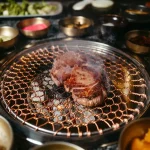
- Comfortable: 100,000–180,000 KRW (~$74–133) with premium barbecue (35,000–60,000 KRW per person), hanwoo beef, and rooftop bars.
Moving Around Seoul: Transit Costs
Seoul’s transit is excellent and cheap compared with most world capitals. You tap a T-Money card on the gate and walk through.
- Single subway ride: about 1,550 KRW (~$1.15) base fare, rising with distance.
- Bus ride: about 1,500–1,800 KRW (~$1.10–1.35), with free transfers within 30 minutes on the same card.
- T-Money card: a one-time card cost of 2,500–4,000 KRW (~$2–3), available at convenience stores. You top it up with cash at the shop or station machines.
- Climate Card tourist pass: a good deal if you ride 4+ times a day. Compare the price against your expected trips.
- Taxi: base fare is around 4,800 KRW (~$3.50). A 5 km ride across central Seoul is roughly 8,000–12,000 KRW (~$6–9), and rates rise at night.
- Ttareungi bike share: about 1,000–2,000 KRW (~$0.75–1.50) per hour, useful along the Han River.
A typical daily transit spend is 5,000–8,000 KRW (~$4–6) for budget travellers, 10,000–15,000 KRW (~$7–11) for mid-range, and 25,000–40,000 KRW (~$19–30) if you add taxis.
Sights, Tickets, and Activities
Seoul has a rare mix of free and very cheap sights. You can fill a day without spending much, then choose a few paid highlights.
- Gyeongbokgung Palace: 3,000 KRW (~$2.20), free if you wear a hanbok.
- Combined palace ticket: about 10,000 KRW (~$7.40) covers four palaces and Jongmyo Shrine, valid for three months.
- Bukchon Hanok Village, Cheonggyecheon stream, Dongdaemun Design Plaza exterior, Han River parks: free.
- N Seoul Tower observation deck: roughly 16,000–22,000 KRW (~$12–16), plus cable car if you choose it.
- Lotte World Tower observatory (Seoul Sky): about 30,000–40,000 KRW (~$22–30).
- Lotte World theme park: about 55,000–70,000 KRW (~$41–52) depending on ticket type and date.
- National Museum of Korea: free for permanent exhibitions.
- Hanbok rental: 15,000–30,000 KRW (~$11–22) for two to four hours.
- K-pop dance classes and workshops: 30,000–60,000 KRW (~$22–44).
- Nanta or other performances: 50,000–80,000 KRW (~$37–59).

Budget travellers can keep activities to 5,000–10,000 KRW (~$4–7) a day. Mid-range travellers usually spend 20,000–40,000 KRW (~$15–30), and comfortable travellers 60,000+ KRW (~$44+) with private guides and shows.
Day Trips Beyond the City
A day trip adds variety for a modest cost. These are the ones that fit different budgets:
- Suwon Hwaseong Fortress: train from Seoul is about 2,000–3,000 KRW (~$1.50–2.20) each way, with fortress entry at 3,000 KRW. Total around 10,000–20,000 KRW (~$7–15) before food.
- Nami Island and Gapyeong: train and ferry combined cost 25,000–40,000 KRW (~$19–30) including entry.
- Incheon Chinatown and Songdo: around 5,000–10,000 KRW (~$4–7) transport. This is the cheapest day out.
- DMZ tour: 60,000–130,000 KRW (~$44–96) depending on the route and operator. Book ahead, as spots and rules change.
- Bukhansan National Park: subway plus bus costs under 3,000 KRW (~$2.20), and the hike itself is free.
Hidden Costs and Smart Savings
These are the items that quietly push a budget over its limit.
- SIM or eSIM: 10,000–30,000 KRW (~$7–22) for a 5–10 day data plan. Pocket Wi-Fi rental is similar, but eSIM is easier on arrival.
- Travel insurance: $30–80 (~40,000–108,000 KRW) for a one-week trip. Medical care in Korea is good but not free for visitors.
- Cafe culture: in popular areas like Seongsu and Yeonnam, one drink is 6,000–9,000 KRW (~$4.50–6.70). Three a day adds up to a hostel night.
- Nightlife: beer at a bar is 5,000–8,000 KRW (~$4–6), cocktails 12,000–18,000 KRW (~$9–13), club cover 10,000–30,000 KRW (~$7–22).
- Shopping: Korea offers instant tax refunds at participating shops for purchases above 15,000 KRW (~$11) per item or receipt. Keep your passport handy and check the refund counter before you pay.
- Prepaid tourist cards: cards like WOWPASS let you load foreign currency, pay at shops, and use transit, but exchange rates and fees vary. Compare against using your normal bank card, which often has better rates.
The best savings come from timing. Weekday hotel rates in Seoul are often 20–30% lower than weekends, and booking hostels and hotels 6–8 weeks ahead avoids the worst peak pricing. Convenience stores also mark down kimbap and sandwiches after about 9 pm.
Sample 5-Day Totals
Here are complete 5-day budgets per person, not including flights. Mid-range and comfortable assume two people sharing a room.
- Budget: lodging 35,000 + food 25,000 + transport 8,000 + activities 7,000 = 75,000 KRW per day. Five days is about 375,000 KRW (~$278).
- Mid-range: lodging 75,000 + food 55,000 + transport 12,000 + activities 20,000 = 162,000 KRW per day. Five days is about 810,000 KRW (~$600).
- Comfortable: lodging 200,000 + food 120,000 + transport 30,000 + activities 50,000 = 400,000 KRW per day. Five days is about 2,000,000 KRW (~$1,480).
Add your airfare, travel insurance, and a shopping fund. A realistic all-in total for a mid-range traveller flying from the US in 2026 is roughly $1,800–2,500, and from Southeast Asia or Japan roughly $900–1,300.
Frequently Asked Questions
How much money do I need per day in Seoul in 2026?
Plan on 70,000–90,000 KRW (~$52–67) per day on a budget, 150,000–250,000 KRW (~$111–185) at mid-range, and 350,000–600,000 KRW (~$260–445) for comfortable travel. These figures cover lodging, food, transport, and activities, but not flights or shopping.
Is Seoul expensive compared with Tokyo or Bangkok?
Seoul sits between them. It is usually a little cheaper than Tokyo for hotels and dining, and clearly more expensive than Bangkok. Transit and street food are affordable, but cafes, alcohol, and central hotels can feel pricey, especially during peak seasons and holidays.
Can I visit Seoul for under $500 excluding flights?
Yes. A five- to seven-day trip is possible on about 375,000–525,000 KRW (~$278–390) if you stay in hostels, eat at markets and kimbap shops, use the subway, and focus on free sights like palaces, parks, and museums. Expect to give up most paid activities.
Should I carry cash in Seoul?
Carry a small amount, around 50,000–100,000 KRW (~$37–74), for T-Money top-ups and rare cash-only stalls. Most places accept foreign credit and debit cards. Avoid exchanging large sums at the airport, and use an ATM at a convenience store or bank if you need more.
What is the cheapest time to visit Seoul?
January to early March and late November (outside holiday weeks) have the lowest hotel and airfare prices, though it is cold. June and July can be cheaper too, but expect rain. Avoid cherry blossom season, autumn foliage peaks, and Chuseok if you want lower prices.
📷 Featured image by Sava Bobov on Unsplash.