On this page
💰 Click here to see Korea Budget Breakdown
💰 Prices updated: 2026-10-01. Budget figures are estimates — always verify before travel.
Exchange Rate: $1 USD = 1,356 KRW
Daily Budget (per person) • Pricing updated as of 2026-10-01
Daily Budget
Shoestring: 60,000 KRW - 95,000 KRW ($44.25 – $70.06)
Mid-range: 130,000 KRW - 250,000 KRW ($95.87 – $184.37)
Comfortable: 350,000 KRW - 550,000 KRW ($258.11 – $405.60)
Accommodation (per night)
Hostel/guesthouse: 25,000 KRW - 65,000 KRW ($18.44 – $47.94)
Mid-range hotel: 90,000 KRW - 165,000 KRW ($66.37 – $121.68)
Food (per meal)
Budget meal (street food): 9,000 KRW ($6.64)
Mid-range meal (restaurant): 22,000 KRW ($16.22)
Upscale meal: 65,000 KRW ($47.94)
Transport
Single subway/bus trip: 1,600 KRW ($1.18)
Climate Card (30-day unlimited): 67,000 KRW ($49.41)
Sokcho is a small city, but it gets very busy. On autumn weekends and holidays in 2026, express buses from Seoul sell out days ahead, and the best guesthouses near Seoraksan fill up fast. The fix is simple: plan your three days around the mountain, the sea, and the market, and book your transport early. This itinerary shows you how.
Getting to Sokcho from Seoul and Busan
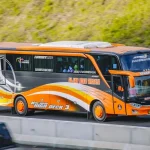
From Seoul, the express bus is still the easiest option. Buses leave from Dong Seoul Bus Terminal and the Seoul Express Bus Terminal in Gangnam. The ride takes about 2 hours 15 minutes to 2 hours 45 minutes, depending on traffic, and costs roughly 20,000–25,000 KRW (~$15–19). Book on the Kobus or Bustago apps, or use the kiosks at the terminal. Since the Seoul–Yangyang Expressway opened, the trip is much faster than the old mountain-road days.
The alternative is the KTX from Seoul to Gangneung (about 2 hours), then a local bus north to Sokcho (about 1 hour). This works well if you want to see Gangneung first. From Busan, the trip is long. Take the KTX to Seoul and then the bus, or fly to Yangyang International Airport (check current routes) and take a bus or taxi about 30 minutes north. Plan on 6–7 hours by land.
Day Trip or Overnight?
A day trip from Seoul is possible, but it is a poor use of your time. With 5 hours or more on the road, you would get about four hours in Sokcho and miss Seoraksan’s best light. Stay at least one night. Two nights lets you see Seoraksan and the coast without rushing. Three nights, as in this plan, gives you time for a proper hike, a hot spring soak, and a slow morning at the harbour. If you only have two days, combine Days 1 and 3 and keep Day 2 for the mountain.
Getting Around Sokcho
The centre of Sokcho is compact. The Express Bus Terminal, Jungang Market, Abai Village, and Sokcho Beach are within a few kilometres of each other. Local buses cost about 1,500–2,000 KRW (~$1.10–1.50), and taxis are cheap and easy to hail. A taxi from the city centre to Seoraksan’s main entrance costs about 12,000–15,000 KRW (~$9–11). Local buses 7 and 7-1 also run to Seoraksan from the city centre. You do not need a car. Naver Map and KakaoMap are more reliable than Google Maps for bus times here.
Day 1: Harbour, Market, and Abai Village
Drop your bags and head to Jungang Tourist and Fishery Market. Walk the lanes slowly. You will smell salt, frying oil, and the sharp tang of fresh squid. Vendors stack crab, sea snails, and pollock in plastic tubs, and the sound of knives on boards carries across the aisles.
From the market, walk or take a short taxi to Abai Village. The village was settled by refugees from North Korea during the war, and it still feels like a place apart. Cross Cheongchoho Lake on the gaetbae, a flat ferry pulled along a steel cable by hand. The fare is only a few hundred won. You will hear the chain clank and the water slap the hull. On the far side, try the local squid sundae, a stuffed sausage that is a Sokcho signature.
In the late afternoon, walk to Sokcho Beach. The sand is pale, the water is cold even in summer, and the Sokcho Eye Ferris wheel is lit up by dusk. End the day with raw fish or a bowl of mulhoe at the market.
Day 2: Seoraksan National Park
Start early. Seoraksan is one of Korea’s most dramatic mountain parks, with jagged granite peaks, deep valleys, and old temples. Entry to the park is free, though some attractions have fees.
Take bus 7 or 7-1, or a taxi, to the main entrance. Walk in past Sinheungsa Temple and its large bronze Unification Buddha. Then choose your route:
- Cable car to Gwongeumseong: A 5-minute ride takes you most of the way up, followed by a 15–20 minute climb. It costs about 15,000 KRW (~$11) round trip and suits families and anyone short on time.
- Ulsanbawi Rock hike: About 3.8 km one way, with roughly 800 steps at the end. Allow 4–5 hours round trip. The view over the sea and the ridgeline is worth every stair.
After the hike, soak in a hot spring. The thermal baths near the park are a good way to ease tired legs, and many are open late. Expect about 15,000–25,000 KRW (~$11–19) for entry, depending on the facility.
Day 3: Lakes, Lighthouse, and Daepo Port
Start with a quiet morning at Yeongnang Lake, a calm lagoon just north of the city centre. The loop path is flat and easy, and the lighthouse observation deck gives a clear view of the lake, the sea, and the mountains behind. On a clear day, it is a good photo stop.
Next, take a taxi to Daepo Port, a working fishing harbour. Boats unload at dawn, and gulls wheel over the dock. By mid-morning, the restaurants open and the smell of grilled fish drifts down the quay. It feels less touristy than the central market and is a good place for a late seafood lunch before your afternoon bus.
Where to Eat in Sokcho
Sokcho’s food scene is built on seafood and a few local specialities:
- Dakgangjeong (sweet-spicy fried chicken): Head to Jungang Market. Manseok Dakgangjeong is the most famous stall, and the line moves quickly. Each bite crunches with a sticky glaze.
- Squid sundae: Look in Abai Village. The stuffed squid is chewy, rich, and best eaten hot.
- Hoe (raw fish): Choose a fish at Daepo Port or Jungang Market, and a nearby restaurant will slice and serve it.
- Mulhoe: A cold, spicy raw-fish noodle bowl that is perfect after a warm day.
2026 Budget Reality
Sokcho is cheaper than Seoul, but prices rise sharply in peak seasons. Here is a rough daily guide, excluding transport to Sokcho:
- Budget: 70,000–90,000 KRW (~$52–67) per day. Includes a guesthouse bed (30,000–45,000 KRW), market snacks, local buses, and a cheap dinner.
- Mid-range: 150,000–200,000 KRW (~$111–148) per day. Includes a private hotel room (90,000–150,000 KRW), a seafood meal, cable car, and a hot spring visit.
- Comfortable: 300,000+ KRW (~$222+) per day. Includes an oceanfront or resort room (200,000–350,000 KRW), a full raw-fish dinner (40,000–70,000 KRW for two), and taxis everywhere.
Expect rooms to cost 30–50% more during autumn foliage (mid-to-late October) and on summer weekends.
Practical Tips for 2026
The best months are late September to early November for foliage and May to June for mild hiking weather. Winter is cold and windy but brings fewer crowds and snow-dusted peaks. Carry some cash for market stalls and the gaetbae, though most restaurants now take cards. Many foreign cards work at kiosks, but a few small stalls still prefer local payment apps or cash. Check the latest entry requirements, including K-ETA rules for your nationality, before you travel. Bring layers, since the coast is always several degrees cooler and windier than inland Korea.
Frequently Asked Questions
How many days do you need in Sokcho?
Two to three days is ideal. One full day is enough for Seoraksan National Park, and another covers the market, Abai Village, and the beach. A third day lets you visit Yeongnang Lake and Daepo Port at a relaxed pace, without worrying about bus times back to Seoul.
How do you get from Seoul to Sokcho?
The express bus from Dong Seoul Terminal or Gangnam Express Bus Terminal is the easiest option. It takes about 2 hours 15 minutes to 2 hours 45 minutes and costs roughly 20,000–25,000 KRW (~$15–19). You can also take the KTX to Gangneung and transfer to a local bus.
Is Sokcho worth visiting without a car?
Yes. The city centre is compact, local buses reach Seoraksan National Park, and taxis are cheap. Most main sights, including the market, Abai Village, and the beach, are within a few kilometres of each other. A car helps only if you want to explore farther along the coast.
When is the best time to visit Seoraksan?
Mid-to-late October is peak foliage and the most beautiful, but also the most crowded. Late May and June offer green forests and mild temperatures with fewer people. Winter brings snow and clear views, though trails can be icy, so check conditions and wear proper footwear.
What food is Sokcho famous for?
Sokcho is known for fresh raw fish, dakgangjeong (sweet-spicy fried chicken), and squid sundae from Abai Village. Mulhoe, a cold spicy raw-fish noodle dish, is another local favourite. Jungang Market and Daepo Port are the best places to try them.
Explore more
Conquering Seoraksan: A Hiker’s Guide to Sokcho’s Majestic National Park
Things to Do in Sokcho: From Mountain Peaks to Fresh Seafood Markets
Sokcho Travel Guide: Your Gateway to Seoraksan National Park & East Coast Charm
📷 Featured image by Tim Schmidbauer on Unsplash.