💰 Click here to see Korea Budget Breakdown
💰 Prices updated: 2026-11-01. Budget figures are estimates — always verify before travel.
Exchange Rate: $1 USD = 1,334 KRW
Daily Budget (per person) • Pricing updated as of 2026-11-01
Daily Budget
Shoestring: 70,000 KRW - 120,000 KRW ($52.47 – $89.96)
Mid-range: 180,000 KRW - 300,000 KRW ($134.93 – $224.89)
Comfortable: 270,000 KRW - 550,000 KRW ($202.40 – $412.29)
Accommodation (per night)
Hostel/guesthouse: 28,000 KRW - 65,000 KRW ($20.99 – $48.73)
Mid-range hotel: 90,000 KRW - 165,000 KRW ($67.47 – $123.69)
Food (per meal)
Budget meal (street food): 9,000 KRW ($6.75)
Mid-range meal (restaurant): 22,000 KRW ($16.49)
Upscale meal: 65,000 KRW ($48.73)
Transport
Single subway/bus trip: 1,600 KRW ($1.20)
Climate Card (30-day unlimited): 68,000 KRW ($50.97)
Most first-time itineraries in 2026 look the same: five days in Seoul, a quick run to Busan, and a flight home. The result is a trip that feels like a highlights reel, crowded and expensive, with little contact with everyday Korea. The country’s smaller cities are faster to reach than ever, cheaper per day, and far less hurried. Here are five that show a different side of the country.
Five Cities, Five Different Koreas
Gyeongju: The Ancient Capital
Gyeongju was the capital of the Silla kingdom for nearly a thousand years, and the past is part of the street plan. Grass-covered royal tombs rise between cafés and convenience stores. Visit Bulguksa Temple and the Seokguram Grotto in the morning, then walk through the Daereungwon tomb park in late afternoon when the mounds turn gold. After dark, Donggung Palace and Wolji Pond are lit up and reflected in the water. The city was also the host of the APEC summit in late 2025, so facilities and signage are in good shape.
Where to eat: Hwangnidan-gil for ssambap (rice with a spread of leaf wraps and side dishes) and the sweet red-bean pastry known as Gyeongju bread. Many places fill up by 12:30, so arrive early.
Jeonju: The Food Capital
Jeonju is where Koreans go to eat. The Hanok Village holds more than 700 traditional houses, and the real appeal is the food culture around them. Jeonju is the home of bibimbap, a bowl of rice, vegetables and gochujang that tastes very different from the versions served in Seoul. Walk up to Omokdae for a view over the tiled roofs.
Where to eat: Look for a bibimbap restaurant near the Nambu Market area, then spend the evening in the makgeolli alleys of Samcheon-dong. You order one kettle of rice wine and the table fills with free side dishes, from grilled fish to spicy stews. The clink of the metal cups and the smell of grilling mackerel carry down the whole alley.
Gangneung: Coffee and Coast
Gangneung sits on the east coast, where the Taebaek mountains drop to the sea. Gyeongpo Beach is wide and walkable, and Anmok Beach is lined with coffee shops serving drinks brewed from locally roasted beans. Early in the morning, the sound of waves on the sand is the main thing you hear.
Where to eat: Chodang village for sundubu, soft tofu stew made with seawater. The Jumunjin fish market, a short bus ride north, is the place for raw fish and grilled squid.

Daegu: The Underrated Inland Hub
Daegu is Korea’s fourth-largest city and it rarely appears in English-language guides, which is exactly why it feels local. It has a serious cafe scene, a historic medicine market, the Kim Gwang-seok mural street, and Apsan Mountain close to downtown. Summers are very hot, so plan for spring or autumn.
Where to eat: Seomun Market for nuts-and-pork flatbread (nabjak mandu) and noodles. For dinner, try Anjirang Gollmok for makchang, grilled pork intestine, a Daegu specialty.
Tongyeong: The Seafood Port
Tongyeong is a small harbor city on the southern coast, often called the “Naples of Korea” for its fishing boats and island views. Ride the Mireuksan cable car for a view over dozens of islands, then wander the painted lanes of Dongpirang. The city is also linked to the naval hero Admiral Yi Sun-sin, whose fleet fought nearby.
Where to eat: The Jungang Market area for fresh sashimi and for chungmu gimbap, a plain rice roll served with spicy squid and radish kimchi.
Getting There from Seoul and Busan
- Gyeongju: KTX from Seoul to Singyeongju Station takes about 2 hours. From Busan, expect about an hour by train or express bus.
- Jeonju: KTX from Yongsan takes about 1 hour 40 minutes. Express buses from Seoul take roughly 3 hours.
- Gangneung: KTX-Eum runs from Seoul in roughly 2 hours, much faster than the old 4-hour bus ride.
- Daegu: KTX from Seoul takes under 2 hours. From Busan, it is about an hour.
- Tongyeong: Express bus only. Seoul takes about 4 hours, Busan about 2 hours.
Book KTX seats through the Korail Talk app or at the station kiosk. Weekend and holiday trains sell out, so reserve a few days ahead.
Getting Around Once You Arrive
All five cities have buses that accept a T-Money card. The tap and short beep when you board is the same as in Seoul. The catch is that attractions can sit well outside the center. Singyeongju Station is about 8 km from Gyeongju’s sights, so you will need a bus or taxi. Taxis in these cities are cheap, and a typical ride costs 5,000 to 10,000 KRW (about $4 to $7).
Gyeongju is the exception for flat, easy cycling: rental shops near the station and the tomb parks hire out bikes by the hour.

Day Trip or Overnight?
Jeonju works well as a day trip from Seoul. Take an early KTX, spend the afternoon in the hanok village, and return after dinner. It still feels rushed, though, because the evening is when the makgeolli alleys come alive.
Daegu can be done in a long day, but it makes more sense on the way to or from Busan. Gyeongju deserves one night so you can see the palace lights after dark. Gangneung needs at least one night, since the beach and coffee scene are best at sunrise and sunset. Tongyeong is the hardest to reach, so plan two nights there.
2026 Budget Reality
Smaller cities are noticeably cheaper than Seoul, especially for rooms and food. Approximate daily costs per person, excluding long-distance transport:
- Budget: 60,000 to 90,000 KRW ($45 to $67). Guesthouse bed at 30,000 to 50,000 KRW ($22 to $37), meals at 8,000 to 12,000 KRW ($6 to $9) each.
- Mid-range: 130,000 to 200,000 KRW ($96 to $148). Business hotel or small hanok room at 90,000 to 150,000 KRW ($67 to $111), with restaurant meals and a few paid attractions.
- Comfortable: 250,000 KRW and up ($185+). Private hanok stay or seaside resort, plus taxis and a nicer dinner.
One-way KTX fares from Seoul are roughly 30,000 KRW ($22) to Jeonju and 50,000 to 55,000 KRW ($37 to $41) to Gyeongju. Bulguksa charges about 6,000 KRW ($4.50) for entry.
What Has Changed Since 2024
Several things make regional travel easier in 2026. KTX-Eum has made the east coast a realistic weekend trip. Naver Map and KakaoMap have improved their English support and real-time bus data. Foreign-issued cards are accepted at more shops and restaurants than two years ago, though small markets still prefer cash, so carry some 10,000 KRW notes.
Entry rules have also been in flux. Korea has run a temporary K-ETA exemption for travelers from a number of countries, and its end date has been extended before. Check the official K-ETA site for your passport’s current status before you book flights.
Frequently Asked Questions
What is the best city in Korea to visit besides Seoul?
It depends on your interests. Gyeongju is best for history and temples, Jeonju for food, Gangneung for beaches and coffee, and Daegu for local city life. Most first-time visitors choose Gyeongju because it is easy to reach and packed with major sights.

Can I visit these Korean cities without speaking Korean?
Yes. Tourist areas in Gyeongju, Jeonju and Gangneung have English signs and menus, and translation apps like Papago work well. Smaller restaurants may only have Korean menus with no pictures. Pointing at other diners’ dishes and learning a few words like “juseyo” (please give me) goes a long way.
How many days do I need for a trip outside Seoul?
Two to three days per city is enough in most cases. Jeonju can be done as a day trip. Gyeongju and Gangneung are better with one night. If you want to combine several cities, plan around five to seven days and use the KTX to link them.
Is it cheaper to travel in Korea outside Seoul?
Generally yes. Rooms in Jeonju, Gyeongju and Daegu often cost 30 to 40 percent less than comparable Seoul hotels, and meals are cheaper and larger. Transport is the extra cost, so a rail pass or early ticket booking helps keep long-distance travel affordable.
When is the best time to visit Korea’s regional cities?
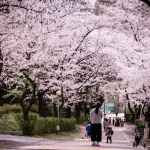
Spring (April to May) and autumn (late September to early November) are best, with mild weather and clear skies. Gyeongju’s cherry blossoms peak in early April. Summer is hot and humid, especially in Daegu, and winter can be very cold on the east coast.
Explore more
Discovering South Korea’s Hidden Gems: Places to Visit Outside Seoul, Busan & Jeju
Korea Beyond Seoul: 7 Must-Visit Cities & Regions for Your Next Trip
Is Suwon Worth a Day Trip? Exploring Korea’s UNESCO-Listed Fortress City
📷 Featured image by Terrence Low on Unsplash.