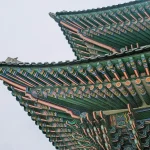
Most visitors hear about Hangeul Day only after they land, and by then the hotels are full and the KTX seats are gone. In 2026, October 9 falls on a Friday, which turns the holiday into a three-day weekend and sends a lot of Korean families out of town. This guide explains what the day means, where to go, and how to plan around the crowds.
What Hangeul Day Actually Celebrates
Hangeul Day (Hangeul-nal) marks the 1446 promulgation of Hunminjeongeum, the original name for the Korean alphabet. King Sejong the Great and scholars at his court created it so ordinary people could learn to read and write. Before that, Koreans mostly used Chinese characters, which took years to master. 2026 is the 580th anniversary.
The alphabet is a point of national pride, and you will feel that on the day. South Korea celebrates on October 9. It was dropped from the list of public holidays for a period and restored as a full national holiday in 2013. Many people mention that it is one of the few holidays in the world honouring a writing system.
Knowing this changes how you see the country. Every sign, menu and subway map you read in Korea uses a system designed on purpose, with a known creator and a known date.
October 2026 Calendar: A Long Weekend to Plan Around
October 9, 2026 is a Friday, so Friday to Sunday (October 9–11) is a holiday weekend. National Foundation Day on October 3 falls on a Saturday. Korea usually gives a substitute holiday in that case, so you may also see a long weekend around October 3–5. Check the official holiday calendar when you book.
Here is what that means for your trip:
- Intercity trains and buses: Seats on popular routes sell out on holiday weekends. Korail usually opens bookings about a month ahead, so reserve early if you plan to leave Seoul.
- Hotels: Seoul rooms near Gwanghwamun, Myeongdong and Hongdae fill up first. Book several weeks ahead.
- Attractions: Palaces and museums are busiest in the late morning and early afternoon. Arrive when they open.
- Weather: Early October in Seoul is usually dry and mild, roughly 10–23°C. Bring a light jacket for the evenings.
Some smaller shops and restaurants close on public holidays. Most big attractions and restaurants in tourist districts stay open, but check opening hours for anything you really want to see.
Where to Mark the Day in Seoul
Gwanghwamun Square
This is the symbolic centre of the holiday. A large seated statue of King Sejong stands in the middle of the square, with Gyeongbokgung Palace and the mountains behind it. Underneath, an exhibition space tells the story of the king and the alphabet. In past years, Hangeul Day events around the area have included performances, calligraphy activities and cultural programmes. The lineup changes every year, so look for the 2026 schedule closer to the date rather than assuming a fixed programme.

The National Hangeul Museum
Located in Yongsan, next to the National Museum of Korea, this museum is dedicated entirely to the alphabet. It shows how the letters developed, how they appeared in books and everyday life, and how designers use them today. English-language support exists, but confirm the holiday opening hours and any reservation needs before you go.
Gyeongbokgung Palace
King Sejong ruled from Gyeongbokgung, and the alphabet was developed in his court. Walk through in the morning, when the stone courtyards are quiet and you can hear your own footsteps on the gravel. Many visitors rent a hanbok for the day, which makes the visit feel more like a step back in time.
Insadong
Insadong is the best neighbourhood for paper, brushes, ink and stationery. Walk the main street and the side alleys to find small shops selling hangeul-themed goods. In October, you may catch the smell of roasted chestnuts and sweet potatoes from the street carts.
Learn to Read Hangeul in One Afternoon
The best way to celebrate is to learn the alphabet yourself. Hangeul has 24 basic letters, 14 consonants and 10 vowels, and the shapes follow logic. The consonants are drawn to imitate the position of the mouth and tongue when you make the sound. The vowels are built from three simple elements: a vertical line, a horizontal line and a dot.
Letters are stacked into square blocks, one block per syllable. Once you know the main letters, you can sound out words on a menu, a street sign or a subway platform. You will not understand everything, but you will recognise place names, food names and station names much faster.

Try this simple plan:
- Spend 30 minutes learning the basic consonants and vowels from a free app or a printed chart.
- Practise by reading station names on the subway. Station signs show the name in Korean and in English side by side, so you can check yourself.
- Read restaurant menus before you order. Dishes like gimbap and bibimbap become easy to spot.
If you prefer a teacher, many cultural centres and tour companies in Seoul offer calligraphy or beginner language workshops. Expect the brush to feel heavy at first and the ink to smell earthy. Class availability on the holiday varies, so book ahead.
A Day Trip Beyond the Capital
If you want a quieter way to honour King Sejong, head to Yeoju in Gyeonggi Province. It is the site of Yeongneung, the royal tomb of King Sejong and his queen. The grounds are a calm pine-lined park, and the walk gives you a different mood from the busy plazas of central Seoul. The nearby Silleuksa temple is also a popular stop.
Yeoju is reachable from Seoul by public transport, but check current routes and timetables before you go. Holiday weekend traffic can be heavy, so leave early and plan to be flexible on your return time.
2026 Budget Reality
Prices vary by neighbourhood and season. These are typical ranges for Seoul, using about 1,350 KRW = 1 USD. Holiday weekends can push hotel prices to the top of each range.
Budget
- Hostel dorm bed: 25,000–40,000 KRW (about $18–30) per night
- Meals at gimbap shops and casual diners: 5,000–10,000 KRW ($4–7.50)
- Subway rides: roughly 1,500–2,000 KRW ($1.10–1.50) each; tap your T-Money card and listen for the short beep at the gate
- Museum and palace entry: low-cost or free at some sites, so check each one
Mid-range
- Hotel room: 100,000–180,000 KRW ($75–135) per night
- Sit-down Korean meals: 10,000–20,000 KRW ($7.50–15)
- Calligraphy or craft workshop: 20,000–50,000 KRW ($15–37)
Comfortable
- Upscale hotel: 250,000 KRW and up ($185+) per night
- Restaurant dinners and tasting menus: 40,000–100,000 KRW ($30–75) per person
- Private guide or hanbok experience with photos: 80,000–200,000 KRW ($60–150)
Good souvenirs include hangeul-print notebooks, stamps, bookmarks and calligraphy sets. Most cost 3,000–30,000 KRW ($2–22).
Frequently Asked Questions
When is Hangeul Day in 2026?
Hangeul Day is on October 9 every year. In 2026 it falls on a Friday, creating a three-day weekend from October 9 to 11. It is a public holiday, so expect busy transport, full hotels in popular areas and large crowds at central Seoul attractions.

What does Hangeul Day celebrate?
It celebrates the promulgation of Hunminjeongeum, the Korean alphabet, in 1446 under King Sejong the Great. The alphabet was designed so ordinary people could learn to read and write. The 2026 holiday marks the 580th anniversary and honours Korea’s language and literacy.
Is Hangeul Day a public holiday in South Korea?
Yes. Hangeul Day is a national holiday in South Korea and was restored to the official holiday list in 2013. Government offices and many businesses close. Tourist areas, large attractions and many restaurants usually stay open, but check hours for smaller places before you visit.
Where is the best place to celebrate in Seoul?
Gwanghwamun Square is the best starting point because of King Sejong’s statue and the nearby exhibition space. Pair it with Gyeongbokgung Palace and the National Hangeul Museum in Yongsan. Event programmes change each year, so check the 2026 schedule before you go.
Can I learn Hangeul quickly as a tourist?
Yes. Hangeul has 24 basic letters built on logical shapes, and many beginners learn the basics in a few hours. You will not speak Korean after one afternoon, but you will read menus, signs and station names much more easily.
Explore more
Exploring South Korea’s Historic Sites in October 2026: Ideal Autumn Weather
South Korea’s Autumn Splendor: Where to See Fall Foliage in October 2026
A Taste of South Korea: Classic Dishes to Enjoy in September 2026
📷 Featured image by Mathew Schwartz on Unsplash.