Remote workers arriving in Seoul in 2026 usually hit the same two problems in the first week. They can’t tell which cafes tolerate a laptop for four hours, and they aren’t sure whether working from Korea on a tourist stamp is even legal. This guide covers the practical side: how cafe working functions here, how to find the right spots yourself, and the visa, tax, insurance and housing logistics that keep a longer stay smooth.
How Cafe Working Works in Korea
Korea has a student-driven study-cafe habit called cagongjok (카공족), meaning people who study or work in cafes. Because of it, laptops are normal in most independent and chain cafes. You’ll hear the soft clatter of keyboards under the hiss of the espresso machine, and nobody will look twice at you.
The unwritten rules are simple:
- Order at the counter first, then choose a seat. Most cafes use a buzzer or a name call for pickup.
- Buy one drink per person, and a second one if you stay past about two to three hours.
- Leave your seat during the weekend lunch rush if the cafe is packed. Staff rarely ask, but the pressure is real.
- Take calls outside or keep them very short. Video meetings at your table annoy people in small, quiet cafes.
- Never leave a laptop or phone on a table to “save” a seat. Korea is safe, and many locals do it, but a foreigner doing it is still taking a risk with expensive gear.
Since 2024, a growing number of cafes have posted signs limiting laptop use at peak hours, restricting power outlets or capping stays at 90 to 120 minutes. A small sign by the register or a note on the menu is the usual giveaway. Read it before you order.
Finding Work-Friendly Places with Korean Map Apps
Naver Map and Kakao Map are still the most reliable tools in 2026 for finding any cafe. Google Maps has improved, but its Korea data remains thinner on walking routes and live business details. Install at least one Korean app before you land.
Use these Korean search terms to filter results:
- 카공 (cagong): cafes that locals recommend for studying or working
- 콘센트 (consent): places with power outlets
- 노트북 (notebook): laptop-friendly spots
- 조용한 카페 (joyonghan cafe): quiet cafes
- 24시 (24-si): places open around the clock
Then check the photo tab. Look for outlets along the walls, tables bigger than a small plate, and chairs with backs. Review text that mentions “자리 넓어요” (wide seats) or “콘센트 많아요” (many outlets) is a better sign than a high star rating. Check opening hours too, because many Seoul cafes open at 10:00 or 11:00, not at 7:00.

Connectivity and Power Setup
Korea’s mobile and fixed internet is among the fastest in the world, but your setup matters more than the venue’s Wi-Fi password.
- eSIM or SIM: Most recent phones support eSIMs bought before arrival. For stays over a month, a Korean prepaid or monthly plan is usually cheaper, but you may need an Alien Registration Card (ARC) for some carriers.
- Hotspot backup: Cafe Wi-Fi is often fine, but a phone hotspot means you never miss a client call because a router crashed.
- VPN: If your employer requires one, test it on a Korean network before your first workday. Some corporate VPNs behave differently here.
- Power: Korea uses 220V and Type C/F two-pin plugs. Most modern laptop chargers handle this, but bring a compact adapter and a short extension cord, since outlets can sit a metre from the table.
Visa Rules for Remote Workers
The legal way to work remotely from Korea for a longer stay is the F-1-D Workation visa, launched in January 2024. It lets you live in Korea for up to one year, with a possible one-year extension, while working for a company based outside Korea. You cannot take Korean clients or Korean employment on this visa.
Core requirements to check in 2026:
- Income floor: roughly twice Korea’s per-capita gross national income, about 85 million KRW a year (~$63,000). The exact figure updates annually, so confirm it with your nearest Korean consulate.
- Experience: at least one year of work in your current field.
- Employment proof: a contract or employer letter showing you work for a foreign company.
- Private insurance: medical coverage of at least 100 million KRW (~$74,000) for the full stay.
- Clean record: a criminal background check from your home country.
- Age: 18 or older.
Applications go through a Korean consulate outside Korea, and processing times vary. Apply well ahead of your planned arrival.
For a one- to three-month trip without this visa, the situation is a grey area. Many visitors on visa-free entry or K-ETA check emails and do light work for foreign employers, but tourist status does not formally allow employment activity. K-ETA exemptions for some nationalities have changed repeatedly, so check the latest status for your passport before you fly. If your work is more than occasional, the F-1-D is the safer route.

Tax and Health Insurance Basics
Tax residency in Korea generally starts when you stay 183 days or more, or when Korea becomes your main base. Staying under that threshold on a short trip usually keeps foreign-source income outside Korean taxation, but your home country’s rules still apply. A one-time consultation with a cross-border tax adviser, usually 150,000 to 400,000 KRW (~$110–$300), is cheaper than guessing.
Health insurance is a separate matter:
- F-1-D holders: you must carry private insurance meeting the visa minimum. Travel insurers that offer long-stay plans are the easiest to get.
- Long-term residents: after six months of registered residence, enrolment in the National Health Insurance Service (NHIS) generally becomes mandatory, with a monthly premium that often starts around 140,000 KRW (~$104) for foreign residents.
- Short stays: standard travel insurance with medical evacuation cover is enough, though you’ll pay out of pocket at clinics and claim later.
Housing and Banking
Seoul’s rental market has several tiers for stays of one to six months.
- Goshiwon: small private rooms with shared kitchens, often with a desk and bed. Many accept short contracts with no deposit. Quiet hours are strict, but internet is included.
- Officetel: studio apartments in mixed-use buildings. Most landlords ask for a large deposit (jeonse or wolse style), which is hard for short stays. Look for furnished, short-term listings aimed at foreigners.
- Serviced apartments and monthly stays: furnished, with utilities and cleaning included. They cost the most, but there is no deposit and no paperwork.
Banking is the sticking point. Opening a Korean bank account normally requires an ARC, a Korean phone number and, for some banks, six months of residence. Until then, rely on a travel debit card or multi-currency account for fee-free spending, and carry a bit of cash for small shops. Cafes accept cards and mobile pay almost everywhere.
2026 Budget Reality
These are typical monthly figures for one remote worker in Seoul, excluding visa and flight costs.
- Budget tier: goshiwon at 450,000–700,000 KRW (~$335–$520), cafe drinks at 4,500–5,500 KRW (~$3.35–$4.10) each, and local meals at 8,000–11,000 KRW (~$6–$8). Total around 1.4–1.9 million KRW (~$1,040–$1,400).
- Mid-range tier: furnished officetel or studio at 900,000–1,400,000 KRW (~$670–$1,040), daily cafe visits, and mixed dining. Total around 2.2–3.2 million KRW (~$1,630–$2,370).
- Comfortable tier: serviced apartment at 1,800,000–3,000,000 KRW (~$1,330–$2,220), premium specialty coffee at 6,000–8,000 KRW (~$4.45–$5.90), and regular restaurant meals. Total around 3.8–5.5 million KRW (~$2,800–$4,070).

A daily cafe habit adds up: two drinks a day at 5,000 KRW (~$3.70) each is about 300,000 KRW (~$222) a month, so factor it into your housing choice.
Frequently Asked Questions
Can I legally work remotely in Korea on a tourist stay?
Tourist status does not formally permit employment, even for a foreign employer. Many visitors do light remote tasks without issues, but it is a legal grey area. For regular work or stays beyond a few weeks, the F-1-D Workation visa is the compliant option.
How much income do I need for the Korean workation visa?
The F-1-D visa requires annual income of about twice Korea’s per-capita gross national income, roughly 85 million KRW (~$63,000) in recent years. The figure updates annually, so check with the Korean consulate handling your application before you submit documents.
Are laptops allowed in Seoul cafes?
Yes, in most. Laptop use is common thanks to cagongjok culture. Some cafes restrict laptops or outlets at weekend peak hours or cap stays at about two hours. Look for a posted sign near the counter, and buy a drink for each hour or two you stay.
Do I need Korean health insurance as a remote worker?
On the F-1-D visa, you need private insurance covering at least 100 million KRW (~$74,000) in medical costs. Once you reach six months of registered residence, NHIS enrolment generally becomes mandatory. For short trips, good travel insurance with medical evacuation cover is enough.
Can I open a Korean bank account as a short-term visitor?
Usually not. Most banks require an Alien Registration Card, a Korean phone number and sometimes six months of residence. Short-stay visitors rely on travel debit cards, multi-currency accounts and mobile payments instead, which work at nearly all cafes and shops.
Explore more
Setting Up Your Remote Office in Korea: Internet, SIM Cards & Tech Essentials
Beyond Seoul: Best Co-Working Hubs for Remote Workers in Korea
Working in Korea Without a Visa? What Digital Nomads Need to Know
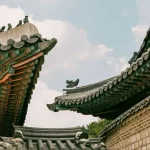
📷 Featured image by Devi Puspita Amartha Yahya on Unsplash.