On this page
- 2026 What’s New in Busan
- Yeongdo: The Island Locals Actually Live On
- Walking the Southeast Coast: Igidae and Oryukdo
- East of Haeundae: Cheongsapo, Dalmaji and Gijang
- The Western Edge: Songdo, Ama Art Valley and Dadaepo Sunsets
- Old Port Layers: Bosu-dong and Choryang
- Where to Eat Away From the Tourist Crowds
- Getting Around Without Wasting Your Day
- Busan Budget Reality in 2026
- Frequently Asked Questions
💰 Click here to see Korea Budget Breakdown
💰 Prices updated: 2026-11-01. Budget figures are estimates — always verify before travel.
Exchange Rate: $1 USD = 1,334 KRW
Daily Budget (per person) • Pricing updated as of 2026-11-01
Daily Budget
Shoestring: 70,000 KRW - 120,000 KRW ($52.47 – $89.96)
Mid-range: 180,000 KRW - 300,000 KRW ($134.93 – $224.89)
Comfortable: 270,000 KRW - 550,000 KRW ($202.40 – $412.29)
Accommodation (per night)
Hostel/guesthouse: 28,000 KRW - 65,000 KRW ($20.99 – $48.73)
Mid-range hotel: 90,000 KRW - 165,000 KRW ($67.47 – $123.69)
Food (per meal)
Budget meal (street food): 9,000 KRW ($6.75)
Mid-range meal (restaurant): 22,000 KRW ($16.49)
Upscale meal: 65,000 KRW ($48.73)
Transport
Single subway/bus trip: 1,600 KRW ($1.20)
Climate Card (30-day unlimited): 68,000 KRW ($50.97)
Busan has become a victim of its own fame. In 2026, Gamcheon Culture Village has lines for photo spots, Haeundae Beach is packed by 10 a.m. in summer, and the Jagalchi area can feel like a tour-group conveyor belt. Yet Busan is a huge coastal city of about 3.3 million people, and most of its best moments happen far from those names. This guide takes you to the cliffside villages, quiet coastal paths, old-town alleys, and local markets where you will mostly share the space with Busan residents.
2026 What’s New in Busan
A few updates make quiet exploring easier this year. First, 2026 is a Busan Biennale year (the art event runs in even-numbered years), so galleries and unusual venues around the old port and coastal districts often host temporary installations. Check dates before you go, because venues change.
Second, the Haeundae Blueline Park coastal rail line, with its small Beach Train and Sky Capsule cars, is now well established. It has become busier, so timing matters. The free walking path beside the tracks is the quiet alternative, and I explain how to use it below.
Third, mapping has improved but is still not perfect. Google Maps still gives weak walking directions in Korea, so download Naver Map or KakaoMap before you arrive. Both have English modes, and both show bus arrival times accurately. Also check the current K-ETA rules for your passport before booking flights, since the exemption list for short visits has changed more than once since 2024.
Finally, the Korea Tour Card, a prepaid card made for foreign visitors, works for Busan subways and buses and can be picked up at the airport. A regular T-Money card also works, with that familiar beep at the gate. The base subway fare is around 1,650 KRW (~$1.22), so every hidden gem below costs very little to reach.
Yeongdo: The Island Locals Actually Live On
Yeongdo is a hilly island south of the old downtown, connected by bridge. Most visitors only know it for Taejongdae, the big cliff park. Skip the crowded viewpoint at first and head to Huinnyeoul Culture Village, a cliffside neighbourhood of pale houses, stairways, and sea views. The name means “white waves,” and on a windy day you will hear them crashing on the rocks below.
The village sits on the southeastern slope facing open water. It has a few cafés in renovated houses, small galleries, and a seaside path with benches where older residents sit and chat. Unlike Gamcheon, it still feels like a neighbourhood. Walk quietly, avoid photographing people’s windows, and keep to the main paths.

Combine it with the Yeongdo coastal trail
From Huinnyeoul, you can follow coastal paths along Yeongdo’s south side. The ground is uneven in places, with wooden stairs and rocky stretches, so wear shoes with grip. In the morning, fishing boats come and go. The smell is salt, seaweed, and diesel, which is exactly how a working port should smell.
Reach Yeongdo by bus from Nampo or Jungang area stations, or take a taxi across the bridge for about 5,000–8,000 KRW ($3.70–$6). Buses are cheap, but check the route in Naver Map first. Yeongdo has many hills, and the wrong bus can leave you at the opposite end of the island.
Walking the Southeast Coast: Igidae and Oryukdo
The Igidae Coastal Walk is one of the best free experiences in the city, and many short-stay visitors never find it. It runs roughly 5 km along the cliff edge between the Gwangalli area and Oryukdo, with forest sections, sea platforms, and rocky coves. Locals use it for morning exercise, so you will see walkers in sun visors and hiking sticks, not tour flags.
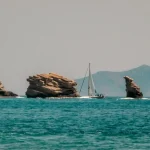
At the Oryukdo end, the Oryukdo Skywalk is a free glass-floored viewing platform over the cliff. The sea below is a deep blue-green, and on windy days the platform hums slightly under your feet. Looking at Oryukdo’s rocky islets from here is better than most paid observation decks.
How to do it without getting tired
- Start near Gwangalli or Igidae Park and walk toward Oryukdo, then take a bus back.
- Bring water and a small snack. There are few shops along the middle section.
- Wear walking shoes. Some stairs are steep and slippery after rain.
- Go late afternoon in spring or autumn, when the temperature is a comfortable 14–22°C.
Total time is about two to three hours at a relaxed pace. Finish with sunset views back toward Gwangan Bridge, when the lights start to come on across the bay.
East of Haeundae: Cheongsapo, Dalmaji and Gijang

Haeundae is crowded, but the shoreline just east of it is not. Cheongsapo is a small fishing port with a lighthouse-dotted breakwater, grilled-fish restaurants, and the Cheongsapo Daritdol Observatory, a glass-floor lookout over the water. It is free and far less busy than the rides on the Blueline Park route.
If you want the scenic railway, ride a section of it. If you want peace, walk the old railway corridor instead. The path from Mipo toward Cheongsapo follows the sea, passes small shrines and fishing nets, and is free. The hills above, known as Dalmaji-gil, are lovely in early April when the cherry blossoms bloom, and much quieter than Yeouido-style crowds in Seoul.
Gijang: the real countryside edge of Busan
Gijang County is Busan’s eastern edge. You can reach it on the Donghae Line, a Korail train with stops at Songjeong, Gijang, and Ilgwang. It feels like a small coastal town rather than a big city. Songjeong Beach is broad and calm, popular with surfers, and has independent coffee shops along its edge. Ilgwang has a quiet beach and a rural feel, especially outside summer.
Haedong Yonggungsa, the famous sea temple in Gijang, is well known, so go right at opening time on a weekday. By late morning, the stairs fill up. Visit the temple first, then spend the rest of your day in Songjeong or Ilgwang, not on the packed tourist loop.
The Western Edge: Songdo, Ama Art Valley and Dadaepo Sunsets
Western Busan has a different mood. It is more industrial, slightly rougher, and far less polished, which makes it feel honest. Start at Songdo Beach, Korea’s first official public beach. The Songdo Cloud Walk, a long walkway reaching out over the water, is free and gives sea views without the crowds of Haeundae. Amnam Park nearby has forest trails and ocean overlooks, also free.
Ama Art Valley
High on a hillside in Seo-gu, Ama Art Valley (Amisan area) is a former neighbourhood turned into an art village. Murals, installations, and tiny galleries are scattered between the houses. It is a smaller, quieter alternative to Gamcheon, and an observatory nearby has wide views over the Nakdong River mouth. Because the hillside is steep, take a taxi up and walk down slowly.
Dadaepo at sunset
At the far southwest, Dadaepo Beach is shallow and wide, and the sunset reflects across the tidal flats. Nearby, the large Dadaepo fountain plays evening shows on certain nights, usually in warmer months, so check the schedule locally. In cooler seasons, the beach is nearly empty at sunset, with only a few photographers and dog walkers. Bring a jacket, because the sea wind gets sharp after dark.

The wetlands near the Nakdong River mouth, including Eulsukdo, attract migratory birds in winter. If you like quiet nature, this is the most underrated part of Busan.
Old Port Layers: Bosu-dong and Choryang
Busan’s historic downtown holds small, strange corners most visitors rush past. Bosu-dong Book Street, near the Gukje Market area, is a lane of second-hand bookshops that grew after the Korean War, when refugees sold books for cash. Today, some shops are still stacked floor to ceiling, while others have turned into cafés and small galleries. You can smell old paper before you even turn the corner.
Not far away, near Busan Station, the Choryang neighbourhood is home to Busan’s small Chinatown and Russian-influenced shop signs, a legacy of its port-trading past. Nearby is the Choryang 168 Stairs, a steep stairway between homes, with a small monorail running alongside for residents. Climb slowly, stop halfway, and look back at the harbour cranes. It is a view of working Busan, not postcard Busan.
Where to Eat Away From the Tourist Crowds
Eating well off the main route is easy if you know where locals go. These are places and areas to aim for, not single restaurants, because stalls change.
- Millak Raw Fish Town (near Millak Waterside Park, Gwangalli area): A cluster of raw fish restaurants that locals use for family meals. Many offer a shared fish platter plus side dishes, and you can sit with a view of Gwangan Bridge. Expect around 60,000–90,000 KRW ($44–$67) for a set meal for two.
- Gupo Market (Buk-gu): A traditional market that serves nearby residents. The smell of grilled fish and fried snacks drifts down the aisles. Snacks cost about 3,000–8,000 KRW ($2.20–$6).
- Daebyeon Port (Gijang): A small harbour famous for crab and fresh seafood. Combine it with a Gijang day trip, and go hungry.
- Cheongsapo waterfront restaurants: Grilled clams and fish by the harbour, quieter than Haeundae’s main restaurant streets.
- Choryang and Busan Chinatown: Small Chinese-Korean restaurants and bakeries. A full meal typically costs 8,000–15,000 KRW ($6–$11).
- Bupyeong Kkangtong Market area (near Jagalchi): A busy night street that is popular with locals as well as visitors. Go after 7 p.m. for the liveliest atmosphere.

Getting Around Without Wasting Your Day
Busan is spread out, and hidden spots do not always sit near subway exits. Use the subway for long distances, then switch to buses or taxis for the last section. The Donghae Line train is useful for Songjeong, Gijang, and Ilgwang. Taxis are affordable, so use them for hilltop spots like Ama Art Valley and for late returns.
- Tap your T-Money or Korea Tour Card when boarding and again when exiting buses that require it, as the screen will tell you.
- Plan by area: Yeongdo and old town one day, southeast coast another, Gijang and the east coast another, and the west a separate half day.
- Avoid weekend afternoons on popular routes, when traffic and crowds peak.
- Check weather before going to any coastal viewpoint. Typhoon season, usually August to September, can close paths and platforms.
Busan Budget Reality in 2026
Hidden-gem trips are cheaper than headline attractions because most of these places are free. Here are realistic daily budgets per person, excluding flights (at about 1,350 KRW = 1 USD).
- Budget: 70,000–100,000 KRW (~$52–$74) per day. Guesthouse or hostel bed (30,000–45,000 KRW), market snacks and simple meals, public transport.
- Mid-range: 150,000–250,000 KRW (~$111–$185) per day. Private hotel room or good business hotel, sit-down meals, a few taxis, and one paid activity like the Blueline Park capsule.
- Comfortable: 350,000+ KRW (~$260+) per day. Upscale hotel near Haeundae or Gwangalli, raw fish dinners, taxis whenever you like, and café stops.
Typical single costs: a short taxi in Yeongdo or Gijang 5,000–10,000 KRW (~$3.70–$7.40); a coffee in a local café 4,500–6,500 KRW (~$3.30–$4.80). The Skywalks, Igidae path, Songdo Cloud Walk, and Amnam Park do not charge admission.
Frequently Asked Questions
What is the best hidden gem in Busan for first-time visitors?
Huinnyeoul Culture Village on Yeongdo Island is a great first choice. It has cliffside views and sea air similar to Gamcheon, but far fewer tour groups. If you have a second day, add the Igidae Coastal Walk. Both are reachable by public transport and cost little or nothing to enter.
Is it safe to walk Busan’s coastal paths alone?

Yes, they are generally safe and popular with local walkers, especially at sunset. Stay on marked trails, avoid wet rocks and stairs after rain, and skip exposed viewpoints during strong wind or typhoon warnings, usually August to September. Carry water and tell someone your route if hiking alone.
How many days do I need to see Busan’s lesser-known areas?
Three full days is comfortable. Spend one on Yeongdo and the old town, one on the southeast coast and Gwangalli, and one on Gijang and the east coast. Add a half day for Songdo, Ama Art Valley, and Dadaepo if you want the quieter western side.
Do I need to speak Korean to visit these places?
No, but a few tools help. Use Naver Map in English mode, Papago for translation, and picture menus at markets. Learn simple phrases like “juseyo” (please give me) and “gamsahamnida” (thank you). Locals in small neighbourhoods are usually patient and friendly, even if English is limited.
What is the best time of year for hidden-gem exploring in Busan?
Spring (April–May) and autumn (late September–November) are best, with mild temperatures around 12–22°C and clear skies. Summer is hot, humid, and crowded on beaches. Winter is cold and windy but clear, with 0–8°C days and far fewer visitors on coastal paths.
📷 Featured image by Christopher Pap de Pestény on Unsplash.