On this page
- 7:00 AM: Waking Up in a Place You Can Actually Rent
- 9:00 AM: The Visa That Makes Your Workday Legal
- 11:00 AM: Health Insurance You Need Before You Land
- 1:00 PM: Tax Residency and the 183-Day Line
- 3:00 PM: Banking, SIM Cards, and Paying for Lunch
- 6:00 PM: Fitting Culture Around Your Time Zone
- 2026 Budget Reality: What a Month Costs
- Frequently Asked Questions
Most “digital nomad in Seoul” posts show a laptop, a latte, and a skyline. They skip the part that decides whether your stay goes smoothly: visas, insurance, tax, and a bank account that works. In 2026, Korea has a dedicated Workation visa, but the paperwork around it still catches people off guard. Here is a typical day for a remote worker in Seoul, with the logistics behind each hour.
7:00 AM: Waking Up in a Place You Can Actually Rent
You wake up on a heated ondol floor, and the apartment door lock gives its little electronic beep as a neighbour leaves. Getting to this point is the first hurdle. Standard Korean leases run 12 or 24 months with large deposits, which does not suit a 1–6 month stay. You have three realistic options.
- Goshiwon: A small private room with a shared kitchen and bathroom facilities. Expect 450,000–700,000 KRW per month ($335–$520). Many include rice, kimchi, and internet, and contracts are often monthly. Rooms can be very small, so check photos and window details.
- Officetel (monthly rental): A studio with a kitchen, bathroom, and built-in appliances. Monthly rent is typically 700,000–1,300,000 KRW ($520–$965), plus a deposit of 5–10 million KRW ($3,700–$7,400) that is returned when you leave. Management fees add 80,000–200,000 KRW ($60–$150).
- Serviced apartments and co-living: Furnished, all-inclusive, and flexible. Expect 1.5–3 million KRW ($1,110–$2,220) per month. This is the easiest option for a first stay.
Book your first two to four weeks in a serviced option, then look for something cheaper once you are on the ground. Always get the contract in writing, and ask whether utilities and internet are included.
9:00 AM: The Visa That Makes Your Workday Legal
You open your laptop and join your first meeting. This is where status matters. A tourist entry does not officially allow employment activities, even for a foreign employer, so working on a tourist stay is a grey area. Korea’s answer is the F-1-D workation visa, which launched in 2024 and is now an established route in 2026.
The main requirements:
- You are 18 or older and work remotely for a company registered outside Korea.
- You have at least one year of experience in your current field.
- Your annual income is about twice Korea’s GNI per capita. That is roughly 85 million KRW (about $63,000), and the threshold is reviewed periodically, so confirm the current number with your consulate.
- You carry private health insurance with the required minimum coverage (see below).
- You provide a criminal record check, proof of employment, and income documents.

The visa is issued for up to one year, with a possible one-year extension. Spouses and children can usually apply to accompany you. You cannot take work from Korean companies on this visa. Apply at a Korean consulate in your home country, and allow several weeks for processing.
Also check your passport’s entry rules. K-ETA exemptions for many nationalities have been extended in recent years, but the policy can change, so verify on the official site before you fly.
11:00 AM: Health Insurance You Need Before You Land
Mid-morning, you take a short break and walk to a pharmacy. The green cross sign is everywhere, and the pharmacist often speaks enough English for basics. Healthcare in Korea is excellent and fairly cheap, but your coverage must be arranged properly.
- F-1-D requirement: Private insurance covering at least 100 million KRW (about $74,000) in medical costs. Get a letter or certificate in English that shows this clearly, because consulates check it.
- National Health Insurance (NHI): Foreign residents registered for more than six months are generally enrolled in the national system. Premiums for foreigners start at roughly 150,000 KRW ($110) per month. Ask the NHIS office how this applies to your visa.
- Private plan cost: Travel-medical or expat plans commonly run 80,000–250,000 KRW ($60–$185) per month depending on age and coverage.
Keep a copy of your policy on your phone. Clinics usually ask for payment upfront if you are not in the NHI system, so keep a card with a decent limit.
1:00 PM: Tax Residency and the 183-Day Line
Over lunch, you check your calendar and realise your stay is stretching past the three-month mark. Tax is the question many nomads avoid, so do not.
The general rule is simple. If you spend 183 days or more in Korea in a year, or Korea becomes your main home, you are likely a Korean tax resident, taxed on worldwide income. Under 183 days, you are usually taxed only on Korean-source income. Income paid by a foreign employer to a foreign account is typically foreign-source, but a one-year visa makes residency likely.
Tax treaties between Korea and your home country can change the outcome. Your home country may also still tax you based on citizenship or its own residency tests. This is general information, not tax advice. Book a session with a cross-border accountant before you sign a long lease or extend your visa.

3:00 PM: Banking, SIM Cards, and Paying for Lunch
You tap your T-Money card on the subway gate for an errand. The soft chirp tells you the fare went through. Daily payments are easy in Korea. Opening accounts and getting a phone plan is where friction appears.
- Alien Registration Card (ARC): Stays over 90 days require registration at immigration, and you receive the ARC a few weeks later. Most banks need it for a standard account.
- Before your ARC arrives: Use an international debit card, a multi-currency account such as Wise, and ATM withdrawals at machines marked “Global.”
- Phone numbers: Many Korean apps need a local number for verification. A prepaid SIM or eSIM costs about 25,000–60,000 KRW ($18–$45) for a month. Postpaid plans with an ARC run about 30,000–55,000 KRW ($22–$41).
- Navigation: Naver Map and KakaoMap remain the most reliable apps for transit and walking directions. Google Maps is still limited for detailed routing.
6:00 PM: Fitting Culture Around Your Time Zone
Your workday ends, and the city gets interesting. Korea runs on UTC+9, which shapes your schedule. If you work for a European team, a 9:00 AM call in Central Europe is 5:00 PM in Seoul, so you finish around dinner. For US East Coast teams, 7:00 AM meetings land at 9:00 PM Seoul time, so expect a split schedule with a long gap in the afternoon.
That gap is your culture window. A royal palace costs about 3,000 KRW ($2.20), and many palaces are free on the last Wednesday of each month, known as Culture Day. After sunset, the smell of tteokbokki and roasted sweet potatoes drifts from street stalls, and a plate of spicy rice cakes costs 4,000–5,000 KRW ($3–$3.70). Evenings are safe and busy, and many restaurants stay open late.
Weekends are easier than you might expect. KTX high-speed trains leave Seoul Station for the southern coast and other regions, and the GTX-A line, which has been opening in stages, shortens commutes to the western suburbs. You can leave Friday evening and be on a beach or in a hanok village the same night.
2026 Budget Reality: What a Month Costs
Here are realistic monthly costs for a single remote worker, excluding flights and deposits. Rates use about 1,350 KRW per $1.

- Budget (about 1.2 million KRW / $890): A goshiwon at 500,000 KRW, groceries and cheap meals at 450,000 KRW (gimbap is 3,500–4,500 KRW, kimchi stew about 9,000 KRW), a Climate Card for unlimited transit at about 62,000 KRW ($46), and a prepaid SIM.
- Mid-range (about 2.4 million KRW / $1,780): An officetel at 1.1 million KRW plus 200,000 KRW in fees, food at 700,000 KRW, transit, a phone plan, and 300,000 KRW for leisure.
- Comfortable (about 4.7 million KRW / $3,480): A serviced apartment at 2.5 million KRW, dining out and Korean BBQ at 1.2 million KRW (about 20,000–30,000 KRW per person), taxis, trips, and 700,000 KRW for leisure.
Add 5–10 million KRW ($3,700–$7,400) for a refundable officetel deposit, and 80,000–250,000 KRW ($60–$185) monthly for private health insurance. Remember that the F-1-D income floor means most visa holders already earn well above these budget levels.
Frequently Asked Questions
Can I work remotely in Korea on a tourist visa?
Officially, tourist status does not permit employment activities, even for a foreign employer, so it sits in a legal grey area. Many short-stay visitors do it quietly, but it carries risk at immigration. The F-1-D workation visa is the legal route if you qualify for a longer stay.
What is the F-1-D visa income requirement in 2026?
The F-1-D requires annual income of about twice Korea’s GNI per capita, roughly 85 million KRW (about $63,000). The figure is updated periodically, so check your nearest Korean consulate before applying. You also need one year of experience in your field and a foreign employer.
Do I need to pay Korean income tax as a remote worker?
It depends on residency. Staying 183 days or more generally makes you a Korean tax resident, taxed on worldwide income. Under 183 days, you are usually taxed only on Korean-source income. Tax treaties and your home country’s rules also apply, so speak to a cross-border accountant.
Can I open a Korean bank account as a short-term visitor?
Usually not. Banks require an Alien Registration Card (ARC), which you get after registering for a stay of over 90 days. Until then, rely on an international debit card, Wise, and ATM cash. Rules vary by branch, so ask before you queue.
How much does a month in Seoul cost for a remote worker in 2026?
Budget about 1.2 million KRW ($890) with a goshiwon, 2.4 million KRW ($1,780) for a mid-range officetel, and 4.7 million KRW ($3,480) for a comfortable serviced apartment. Food, transit, and a phone plan are included. These exclude flights, deposits, and private health insurance.
Explore more
Seoul vs. Busan: Choosing Your Digital Nomad Base in South Korea
Finding Affordable Long-Term Accommodation in Korea for Remote Workers
Cost of Living in Seoul for Digital Nomads: Budgeting for a Long-Term Stay
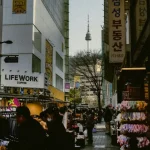
📷 Featured image by Alex Moliski on Unsplash.