On this page
- Why Sokcho Is Different From Other East Coast Towns
- Seoraksan National Park: Three Hikes by Effort Level
- Beyond the Mountain: Sea, Lake and Abai Village
- Where to Eat in Sokcho
- Getting to Sokcho from Seoul and Busan
- Getting Around Sokcho and Seoraksan
- Best Time to Visit
- Day Trip or Overnight?
- Sokcho Budget Reality in 2026
- Frequently Asked Questions
💰 Click here to see Korea Budget Breakdown
💰 Prices updated: 2026-11-01. Budget figures are estimates — always verify before travel.
Exchange Rate: $1 USD = 1,334 KRW
Daily Budget (per person) • Pricing updated as of 2026-11-01
Daily Budget
Shoestring: 70,000 KRW - 120,000 KRW ($52.47 – $89.96)
Mid-range: 180,000 KRW - 300,000 KRW ($134.93 – $224.89)
Comfortable: 270,000 KRW - 550,000 KRW ($202.40 – $412.29)
Accommodation (per night)
Hostel/guesthouse: 28,000 KRW - 65,000 KRW ($20.99 – $48.73)
Mid-range hotel: 90,000 KRW - 165,000 KRW ($67.47 – $123.69)
Food (per meal)
Budget meal (street food): 9,000 KRW ($6.75)
Mid-range meal (restaurant): 22,000 KRW ($16.49)
Upscale meal: 65,000 KRW ($48.73)
Transport
Single subway/bus trip: 1,600 KRW ($1.20)
Climate Card (30-day unlimited): 68,000 KRW ($50.97)
Seoraksan is one of Korea‘s most photographed mountains, and in 2026 that means full parking lots, long cable car queues, and weekend traffic on the Seoul highway. Most visitors treat Sokcho as a quick stop before the park. That’s a mistake. A little planning turns this small port city into a base with fresh seafood, quiet beaches, and trails you can walk before the crowds arrive.
Why Sokcho Is Different From Other East Coast Towns
Sokcho sits in Gangwon Province, about 215 km northeast of Seoul. Mountains rise behind it and the East Sea lies in front, so you can eat raw fish at breakfast and stand on a granite ridge by noon. The province is now officially called Gangwon Special Self-Governing Province, though you’ll still see the old name on most signs.
The city has a Northern flavour. Sokcho is close to the border, and after the Korean War many refugees from Hamhung and the north settled here. You can taste their influence in the squid sundae, the cold noodles, and the rough, salty cooking. It feels more like a working fishing town than a resort, and the harbour smell of salt and diesel reminds you of that.
Seoraksan National Park: Three Hikes by Effort Level
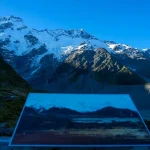
Seoraksan is a UNESCO Biosphere Reserve. Its highest peak, Daecheongbong, reaches 1,708 m. The park has no entrance fee, and the main gate is about 20 minutes from central Sokcho.
Easy: Gwongeumseong by Cable Car
The cable car takes about five minutes to climb toward the ruins of an old mountain fortress. From the top station, a steep 20-minute walk leads to a rocky summit with views across the valley and out to sea. This is the best choice for families, older travellers, and bad knees. Wind can shut the cable car down, so check that it’s running before you go.
Moderate: Biryong Falls and Sinheungsa
From the main entrance, walk past Sinheungsa temple and its large bronze Unification Buddha. A flat, shaded path then leads to Biryong Falls. Expect about 45 minutes each way and a cool mist near the water. Heundeulbawi, the famous rocking boulder, is on the way.
Hard: Ulsanbawi
Ulsanbawi is a granite crown about 873 m high. The trail is roughly 3.8 km one way, and the last stretch is more than 800 steel stairs. Plan on three to four hours round trip. Your legs will burn and the stairs ring under your boots, but the view from the top covers the whole coast. Daecheongbong is a full-day hike. Check the Korea National Park Service for route closures and reservation rules before you plan it.
Beyond the Mountain: Sea, Lake and Abai Village
Give at least half a day to the town itself. Start at Abai Village, where refugees from the north built a small neighbourhood. A hand-pulled boat, the gaetbae, crosses a short channel to get you there. You pull a steel cable along with the boatman, and the rope creaks and drips as you go. The crossing costs only a few hundred won.
Next, walk Sokcho Beach, which is wide, clean, and calm outside July and August. Yeongnang Lake is nearby, and the Sokcho Eye Ferris wheel gives a clear view of both the water and the mountains. At sunset the whole coast turns orange, and the beach pine trees fill the air with a sharp resin smell.
If you have an extra day, take a bus or taxi north to Goseong for the Unification Observatory. Some border-area sites require advance registration, so check before you go.
Where to Eat in Sokcho
Eating is half the reason to come. These are the places and dishes locals actually send visitors to:
- Sokcho Tourist & Fishery Market (Jungang Market): The main food hub. Try dakgangjeong, sweet and crunchy fried chicken. Manseok Dakgangjeong is the best known stall, and the smell of frying oil and sugar will draw you in from a block away.
- Abai Village: The place for squid sundae, a sausage-style dish of squid stuffed with rice, vegetables, and glass noodles. It’s chewy, peppery, and filling.
- Daepo and Dongmyeong ports: Raw fish restaurants and stalls line these harbours. Pick your fish from the tank and eat it within the hour.
- Hamheung-style naengmyeon: Chewy, spicy cold noodles topped with raw skate or cold beef. Look for restaurants that mention Hamheung.
- Hwangtae haejangguk: Dried pollack soup, ideal after a long hike or a cold morning. Several places near the beach and Seoraksan serve it.
Snow crab is the local luxury, and prices vary by weight and season. Ask for the price per kilogram before you order.
Getting to Sokcho from Seoul and Busan
From Seoul, the express bus is the best option. Buses leave from Seoul Express Bus Terminal (Gangnam) and Dong Seoul Bus Terminal, and the trip takes about 2 to 2.5 hours. A ticket costs roughly 20,000 to 25,000 KRW (~$15–19). Holidays and autumn weekends can add an hour or more, so book both directions early. Kiosks at the terminals have English menus, and the Kobus and Bus Tago apps work for booking, though foreign cards sometimes fail.

The train is slower. Take the KTX Gangneung line (about two hours from Seoul), then a bus north for roughly an hour. The planned Seoul–Chuncheon–Sokcho railway is still under construction, so don’t plan around it in 2026.
From Busan, there’s no fast direct option. Expect six hours or more by KTX to Seoul and then a bus, or by bus via Gangneung. It makes sense only as part of a longer east coast trip. Yangyang International Airport is about 30 minutes south of Sokcho, but flight service there has been limited, so check current schedules.
Getting Around Sokcho and Seoraksan
Sokcho is compact, and local buses cover most of what you’ll want. Buses 7 and 7-1 run from the city to Seoraksan’s main entrance for about 1,500 to 2,000 KRW (~$1–1.50), and the soft beep of a T-Money tap as you board is the only ticket you need. A taxi from the centre to the park costs around 15,000 to 20,000 KRW (~$11–15), which is good value if you split it between two or three people.
Google Maps still has limited transit detail in Korea, so use Naver Map or Kakao Map for bus arrivals. Many guesthouse owners will also call a taxi for you.
Best Time to Visit
Autumn is the headline season. Colour starts on the high ridges in late September and reaches the valleys by late October. Seoraksan is often the first place in Korea to turn, which makes it the most crowded too.
Spring brings fresh green leaves and fewer visitors. Summer is hot and humid, with the beach at its busiest and typhoon risk in August and September. Winter is quiet and cold. Snow covers the ridges and the hot soup tastes even better, but some trails close in icy conditions.
Day Trip or Overnight?
A day trip from Seoul is possible, but it’s tiring. With about five hours of round-trip travel, you get one hike and one meal. If you only have a day, take the cable car or the Biryong Falls walk and eat at the market.

One night lets you hike in the morning and walk the beach at dusk. Two nights is the right amount for Ulsanbawi, Abai Village, and a slow seafood dinner without rushing a bus. Stay in the city rather than inside the park. You’ll have more food options and lower prices.
Sokcho Budget Reality in 2026
Prices rise sharply on autumn weekends and in summer. Weekdays and shoulder seasons are far cheaper. These are typical 2026 figures at roughly 1,350 KRW per USD.
- Budget: Guesthouse or hostel bed at 30,000–50,000 KRW (~$22–37). Market meals and noodles at 8,000–12,000 KRW (~$6–9). Local buses and walking.
- Mid-range: Hotel room at 80,000–150,000 KRW (~$59–111). Sit-down seafood meals at 15,000–30,000 KRW (~$11–22). Cable car at about 15,000 KRW (~$11) and the occasional taxi.
- Comfortable: Beachfront or resort stay at 200,000–350,000 KRW (~$148–259). Raw fish or snow crab dinners at 60,000–100,000+ KRW (~$44–74) per person. Private taxis for the day.
Add the Seoul bus fare of about 20,000–25,000 KRW (~$15–19) each way. Cable car fares and food prices change from year to year, so confirm them locally.
Frequently Asked Questions
How far is Sokcho from Seoul and how long does it take?
Sokcho is about 215 km from Seoul. Express buses take roughly 2 to 2.5 hours and cost about 20,000–25,000 KRW (~$15–19).
Is Seoraksan National Park free to enter?
The park itself has no entrance fee. You pay for extras, such as the Gwongeumseong cable car (around 15,000 KRW, ~$11, round trip), parking if you drive, and food.
When is the best time to see autumn colours in Seoraksan?
Peak colour usually runs from the last week of September on the high ridges to late October in the valleys. Go on a weekday and arrive early, because the cable car and trails get very crowded.
Do I need to speak Korean to travel in Sokcho?
No, but a few phrases help. Park signs and the main bus terminal have English, and Papago translates menus well. Market stalls and small restaurants may only have Korean menus, so pointing and showing photos works fine.
Can a beginner hike Ulsanbawi?
Yes, if you’re reasonably fit. It’s about 3.8 km one way, with more than 800 steel stairs near the top. Allow three to four hours round trip, bring water, and wear shoes with grip. Skip it in ice or heavy rain, when the stairs get slippery.
Explore more
Experience Jeonju Hanok Village: Immerse Yourself in Traditional Korean Culture
A Foodie’s Guide to Jeonju: What to Eat and Where to Find It
Jeonju Travel Guide: Hanok Village, Bibimbap & More in Korea’s Food Capital
📷 Featured image by JinHui CHEN on Unsplash.