On this page
- The Underground Renaissance: How Daegu’s Creative Scene Exploded Post-2024
- Kim Gwangseok Street: Where Music History Meets Modern Rebellion
- Banwoldang District’s Hidden Galleries and Artist Collectives
- Seomun Market’s Maker Revolution: Traditional Meets Alternative
- The Food Alley Takeover: Young Chefs Reinventing Korean Comfort Food
- Night Markets and Pop-Up Culture: Daegu After Dark
- Day Trip or Overnight: Planning Your Creative Exploration
- Getting There and Around: The GTX Connection Game-Changer
- 2026 Budget Breakdown: What Creative Daegu Actually Costs
- Frequently Asked Questions
While Seoul’s hipster districts get all the international attention, Daegu has quietly cultivated South Korea‘s most authentic alternative culture scene. In 2026, this former conservative stronghold has transformed into a playground for young creatives priced out of Seoul, generating a raw energy that feels genuinely underground rather than manufactured for tourists.
The Underground Renaissance: How Daegu’s Creative Scene Exploded Post-2024
Daegu’s creative revolution didn’t happen overnight. The city’s transformation accelerated dramatically after 2024, when Seoul’s skyrocketing rents pushed waves of young artists, musicians, and entrepreneurs to seek cheaper alternatives. Unlike the gentrified cool of Hongdae or the polished aesthetic of Gangnam, Daegu’s hipster scene grew organically in abandoned textile factories and forgotten alleyways.
The catalyst was the city government’s 2025 “Creative Zone Initiative,” which offered three-year rent subsidies to artists willing to set up shop in designated areas. What started as economic policy became a cultural movement. Today, entire blocks pulse with experimental galleries, underground music venues, and design studios that would cost triple the rent in Seoul.
Walk through the narrow lanes behind Daegu Station, and you’ll hear the whir of screen-printing presses mixing with the clatter of vintage sewing machines. Young designers are breathing new life into Korea’s textile heritage, creating limited-run clothing lines that blend traditional Korean cuts with streetwear sensibilities. The smell of fresh ink and fabric dye hangs in the air, marking these spaces as genuine creative workshops rather than Instagram-friendly showrooms.
Kim Gwangseok Street: Where Music History Meets Modern Rebellion
Named after the legendary folk singer who died tragically young in 1996, Kim Gwangseok Street has evolved far beyond its original tribute purpose. While tourists still come for the murals depicting the singer’s life, locals know this 350-meter stretch as ground zero for Daegu’s underground music scene.

The transformation happened gradually. Traditional Korean restaurants gave way to vinyl record shops, then intimate live venues, then experimental recording studios. By 2026, Kim Gwangseok Street houses over a dozen music-related businesses, from analog synthesizer repair shops to studios specializing in lo-fi indie recordings that have gained international streaming attention.
Vinyl House Daegu, tucked into a basement space that once stored rice, now stocks rare Korean pressings alongside international imports. The owner, a former Seoul music journalist, moved here in 2025 after being priced out of Hongdae. “In Seoul, everyone wants to be the next big thing,” he explains while spinning a 1980s Korean folk album. “Here, people just want to make good music.”
The street’s evening energy centers around Club Frequency, a 50-capacity venue that books experimental acts six nights a week. The sound system, built by a local audio engineer using vintage Korean speakers, creates an intimacy impossible in Seoul’s mega-clubs. Weekend lineups often feature Seoul bands making the KTX trip south for lower booking fees and more appreciative audiences.
The Recording Studio Renaissance
Behind Kim Gwangseok Street’s main strip, a network of small recording studios offers rates that would seem impossible in Seoul. Studio Analog, operated by a former SM Entertainment engineer, charges 150,000 KRW (approximately $110) for a full day’s recording session—half what you’d pay in Gangnam. The catch? You have to embrace the vintage aesthetic. The studio exclusively uses analog equipment from the 1970s and 80s, creating the warm, slightly imperfect sound that’s become Daegu’s musical signature.
Banwoldang District’s Hidden Galleries and Artist Collectives
Banwoldang, Daegu’s traditional downtown shopping district, experienced a retail apocalypse when young shoppers migrated online. But where department stores saw death, artists saw opportunity. Empty storefronts with large windows and high ceilings became perfect gallery spaces at a fraction of Seoul’s rental costs.

Gallery Collective, occupying three floors of a former clothing store, operates on a unique model. Twenty-five local artists pay monthly dues to maintain the space and take turns curating monthly exhibitions. The result is programming that’s far more experimental than Seoul’s commercial galleries. Recent shows have included virtual reality installations exploring Korean war trauma, textile art made from discarded hanbok fabric, and interactive sound sculptures using traditional Korean instruments.
The district’s transformation intensified when Space Mong, a Seoul-based artist collective, relocated their entire operation to Banwoldang in early 2025. Their three-story building now houses studios, a experimental theater, and a rooftop garden where they grow plants for natural dye experiments. The move sparked a mini-exodus of Seoul artists, creating a domino effect that’s still reshaping the neighborhood.
What makes Banwoldang special isn’t just cheaper rent—it’s the collaborative spirit. Artists regularly share resources, from printing equipment to exhibition costs. New arrivals are quickly absorbed into an informal network that provides both practical support and creative inspiration. The sound of conversations mixing Korean and English echoes through the galleries, as international artists drawn by low costs and high creative freedom join the community.
The Hanbok Reimagining Movement
One of Banwoldang’s most fascinating developments is the hanbok renovation movement. Young designers are deconstructing vintage hanbok found in Daegu’s many secondhand markets, then reconstructing them into contemporary pieces that honor traditional techniques while embracing modern silhouettes. Designer Park Min-jun, whose “Neo-Joseon” collection gained international attention via Instagram, explains: “Seoul designers treat hanbok like museum pieces. Here, we treat them like raw materials for something new.”
Seomun Market’s Maker Revolution: Traditional Meets Alternative

Seomun Market, Korea’s largest traditional market, might seem like an unlikely hipster destination. But look beyond the ajumma vendors selling vegetables and dried fish, and you’ll discover a thriving maker movement that’s revolutionizing Korean craft traditions.
The transformation began in the market’s textile section, where wholesale fabric dealers struggled with declining demand from major manufacturers. Young makers started approaching these vendors directly, purchasing small quantities of high-quality materials at wholesale prices. Word spread through social media, and soon Seomun Market became a pilgrimage site for independent designers seeking authentic Korean fabrics.
Today, several market sections cater specifically to the maker community. The “Creative Corner,” established in 2025, houses twenty small workshops where you can watch artisans blend traditional Korean crafts with contemporary design. A potter shapes moon jars using 500-year-old techniques but fires them with experimental glazes inspired by K-pop album covers. A metalworker forges traditional Korean knives but designs handles using CAD software and 3D printing.
The sensory experience of Seomun Market’s maker section differs dramatically from sterile Seoul design studios. The rhythmic hammering of metal workers mingles with the whir of sewing machines and the crackling of pottery kilns. The air carries scents of leather dye, wood shavings, and the slight sulfur smell from ceramic glazing—industrial aromas that signal real production rather than performative craft.
The Pottery Underground
Hidden in Seomun Market’s basement level, a collective of ceramic artists operates Korea’s most affordable pottery studio. For 50,000 KRW (approximately $37) monthly membership, artists get access to wheels, kilns, and glazes. The catch? You have to help with firings, loading kilns, and teaching weekend workshops for market customers. This cooperative model has created a tight community where master potters work alongside complete beginners, sharing techniques developed over decades.
The Food Alley Takeover: Young Chefs Reinventing Korean Comfort Food

Daegu’s food scene represents everything Seoul’s dining landscape has lost: affordability, experimentation, and genuine surprise. Young chefs priced out of Seoul’s competitive restaurant market have flocked to Daegu, where storefront rents allow for creative risk-taking impossible in the capital.
The epicenter is Chicken Alley near Kyungpook National University, traditionally known for standard Korean fried chicken joints. But since 2025, experimental restaurants have interspersed among the traditional spots, creating a food landscape that spans three generations of Korean dining.
Hanok Kitchen, operated by a former Seoul fine-dining chef, serves elevated comfort food in a renovated traditional house. Their signature dish—sundae (Korean blood sausage) served with house-made kimchi and craft makgeolli—exemplifies the approach: traditional ingredients, refined technique, reasonable prices. A full meal costs 25,000 KRW (approximately $18.50), half what you’d pay for similar quality in Seoul.
More radical is Fermentation Lab, where two young chefs experiment with traditional Korean fermentation techniques to create entirely new flavor profiles. Their “Future Banchan” tasting menu presents familiar side dishes transformed through extended fermentation, unusual ingredient combinations, and modern plating. The restaurant’s open kitchen allows diners to observe the fermentation vessels bubbling away, creating a living display of Korean food science.
The Makgeolli Renaissance
Daegu’s food revolution extends to drinks, particularly makgeolli (Korean rice wine). Traditional makgeolli breweries, struggling against beer and soju’s popularity, have embraced collaboration with young entrepreneurs. Moonlight Brewery, established in a former textile factory, produces small-batch makgeolli flavored with local ingredients like Daegu apples and mountain herbs. Their tasting room, furnished with vintage Korean furniture found at Seomun Market, creates an atmosphere that’s both nostalgic and contemporary.
Night Markets and Pop-Up Culture: Daegu After Dark
Daegu’s night scene operates on a completely different rhythm than Seoul’s. Instead of massive clubs and entertainment districts, the city’s evening energy flows through small-scale, temporary events that pop up in unexpected locations.

The Friday Night Market, which rotates between different neighborhoods monthly, exemplifies this pop-up approach. Organized through KakaoTalk groups rather than official channels, the market appears in vacant lots, closed parking garages, or unused public spaces. Vendors include everything from vintage clothing dealers to experimental food trucks to indie musicians busking between stalls.
What makes these markets special isn’t just their temporary nature—it’s their community focus. Unlike Seoul’s tourist-oriented night markets, Daegu’s pop-ups serve primarily local audiences. Conversations happen in Korean, prices stay low, and vendors often know regular customers by name. The atmosphere feels more like a neighborhood block party than a commercial enterprise.
The sound landscape of these night markets differs markedly from Seoul’s electronic-heavy nightlife. Acoustic guitars and traditional Korean percussion mix with conversation and the sizzle of street food grills. Light comes from string lights and paper lanterns rather than neon, creating pockets of warm illumination that encourage intimate gatherings.
Underground Music Venues
Daegu’s music venues operate on intimacy and authenticity rather than scale. Club Basement, literally located in a building’s basement level, hosts experimental electronic acts that blend traditional Korean instruments with modern production techniques. The venue’s 30-person capacity forces interaction between performers and audience members, creating collaborative energy that’s impossible in larger spaces.
Day Trip or Overnight: Planning Your Creative Exploration
Daegu’s creative scene rewards different approaches depending on your time constraints and interests. Day trippers can cover the main highlights, while overnight visitors can experience the city’s evening culture and connect more deeply with local communities.
The Power Day Trip (6-8 hours)
Focus on Kim Gwangseok Street and Banwoldang District, which sit close together and offer concentrated creative experiences. Start at Kim Gwangseok Street in the morning when record shops open and studio owners are most likely to chat. Spend 2-3 hours exploring vinyl collections, visiting recording studios, and absorbing the musical heritage.
Move to Banwoldang for lunch and afternoon gallery hopping. Gallery Collective and Space Mong typically offer the most substantial exhibitions, while smaller spaces provide opportunities for direct artist interaction. Budget 3-4 hours for the district, including time for spontaneous discoveries in converted storefronts.
Day trippers should prioritize Seomun Market’s Creative Corner if interested in traditional crafts, but skip the food scene unless you’re comfortable with rapid-fire dining experiences.
The Deep Dive Overnight
Overnight visitors can experience Daegu’s evening pop-up culture and build relationships with local artists. Stay in the Banwoldang area to be walking distance from both daytime galleries and nighttime venues.
Use your first day for systematic exploration of creative districts, then dedicate your second day to deeper engagement. Many artists offer studio visits by appointment, and spending two days allows time for these personal connections. The night market and club scene provides evening programming that day trippers completely miss.
Weekend visitors benefit from increased gallery hours and special events. Many collectives host opening receptions or artist talks on Friday evenings, providing insider access to the creative community.
Getting There and Around: The GTX Connection Game-Changer
Daegu’s accessibility improved dramatically with the 2026 GTX-A extension, though the full journey still requires strategic planning. The express line reduces Seoul-Daegu travel time to 1 hour 45 minutes, making day trips feasible for the first time.
From Seoul, take GTX-A from Suseo Station to Daegu Station (65,000 KRW/$48 for express service). Regular KTX trains remain slightly faster at 1 hour 40 minutes but cost significantly more (85,000 KRW/$63 for standard cars). Budget travelers can use regular trains (3 hours, 35,000 KRW/$26) or express buses (3.5 hours, 28,000 KRW/$21).
From Busan, the KTX connection takes just 1 hour (45,000 KRW/$33), making Daegu easily accessible as a creative detour during southern Korea itineraries.
Local Transportation Strategy
Daegu’s creative districts cluster within walking distance of each other, but the city’s subway system efficiently connects major areas. Purchase a DaeguPay transportation card (available at all stations) for seamless transfers between subway lines and city buses.
Most hipster destinations sit along subway Line 1 (purple line) between Daegu Station and Kyungpook National University. Kim Gwangseok Street sits near Daegu Station, while Banwoldang District centers around Banwoldang Station. Seomun Market requires a brief walk from Seomun Market Station on Line 3.
The city’s bike-sharing system, launched in 2025, provides an alternative transportation method that connects creative districts through dedicated lanes. Rental costs 2,000 KRW (approximately $1.50) for the first hour, with additional hours at 1,000 KRW each.
2026 Budget Breakdown: What Creative Daegu Actually Costs
Daegu’s affordability represents its primary advantage over Seoul’s creative scene. Costs remain significantly lower across all categories, from meals to accommodation to activity fees.
Daily Budget Tiers
Budget Level (45,000-65,000 KRW / $33-48 per day):
- Guesthouse accommodation: 25,000-35,000 KRW ($18-26)
- Meals at traditional restaurants: 15,000-25,000 KRW ($11-18)
- Local transportation: 5,000 KRW ($3.70)
- Gallery admissions (most are free): 0-5,000 KRW ($0-3.70)
Mid-Range (65,000-95,000 KRW / $48-70 per day):
- Business hotel accommodation: 45,000-65,000 KRW ($33-48)
- Mix of traditional and experimental restaurants: 25,000-40,000 KRW ($18.50-30)
- Transportation including occasional taxis: 8,000-12,000 KRW ($6-9)
- Shopping at maker markets: 12,000-18,000 KRW ($9-13)
Comfortable (95,000-140,000 KRW / $70-104 per day):
- Boutique hotel accommodation: 75,000-95,000 KRW ($55-70)
- Fine dining and craft cocktails: 45,000-65,000 KRW ($33-48)
- Private studio tours and workshops: 15,000-25,000 KRW ($11-18.50)
- Art purchases and high-end crafts: Variable
Specific Creative Activity Costs
Most galleries charge no admission fees, relying instead on art sales and donations. Recording studio tours cost 10,000 KRW ($7.40), while hands-on workshops range from 25,000-50,000 KRW ($18.50-37) depending on materials and duration.
Vinyl record prices at Kim Gwangseok Street range from 15,000 KRW ($11) for Korean reissues to 80,000 KRW ($59) for rare international pressings. Handmade crafts at Seomun Market’s Creative Corner typically cost 30-60% less than equivalent items in Seoul’s designer districts.
Evening entertainment costs remain remarkably low. Club cover charges rarely exceed 15,000 KRW ($11), while craft beer at indie venues costs 8,000-12,000 KRW ($6-9) per pint—half of Seoul prices.
Frequently Asked Questions
Is Daegu’s hipster scene accessible for non-Korean speakers?
Most gallery owners and young entrepreneurs speak conversational English, and many spaces display bilingual signage. The creative community actively welcomes international visitors, though learning basic Korean phrases enhances interactions significantly.
What’s the best day of the week to visit Daegu’s creative districts?
Friday and Saturday offer the most activity, with extended gallery hours and special events. However, weekdays provide more opportunities for personal interactions with artists and studio visits without crowds.
How does Daegu’s creative scene compare to Seoul’s established hipster districts?
Daegu feels more authentic and less commercialized than Seoul’s main creative areas. Costs are significantly lower, crowds smaller, and the community more welcoming to outsiders and experimental projects.
Can you buy unique items not available elsewhere in Korea?
Absolutely. Many Daegu makers produce limited-run items specifically for local markets. The hanbok renovation movement and traditional craft experiments create pieces unavailable in Seoul’s more commercial creative districts.
Is it worth visiting Daegu specifically for the creative scene, or should it be part of a larger itinerary?
Daegu merits a dedicated visit for serious creative culture enthusiasts. The scene offers depth and authenticity that rewards focused exploration, though it combines well with broader explorations of Korean regional culture.
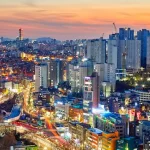
📷 Featured image by Christopher Pap de Pestény on Unsplash.