On this page
- The Lay of the Land: How Gangnam Divides Itself
- Getting There and Moving Around in 2026
- Apgujeong and Cheongdam: Where the Money Shows
- Garosu-gil and Sinsa-dong: The Version Locals Actually Like
- COEX and Samseong-dong: More Than a Shopping Mall
- Where to Eat in Gangnam Without Getting Trapped
- Nightlife in Gangnam: Where People Actually Go
- 2026 Budget Reality: What Gangnam Actually Costs
- Frequently Asked Questions
Most first-time visitors arrive in Gangnam expecting either a K-pop playground or a wall of luxury brands they can’t afford. The reality is more layered than either. Gangnam is a proper district — 39.5 square kilometres with distinct pockets that feel almost nothing like each other. The challenge in 2026 is that most travel content still treats it as a single vibe, leaving people wandering Gangnam-daero with no plan and tired feet. This guide breaks the district down area by area so you can actually use it.
The Lay of the Land: How Gangnam Divides Itself
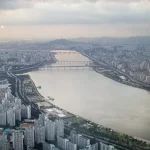
Gangnam literally means “south of the river” — it refers to the area south of the Han River, though in everyday usage it points specifically to Gangnam-gu, the administrative district. Within that district, several sub-areas have their own distinct character:
- Gangnam Station area — the commercial core, dense with office towers, underground shopping arcades, and chain restaurants
- Apgujeong and Cheongdam-dong — old money meets K-beauty; flagship stores, plastic surgery clinics, and high-end cocktail bars
- Sinsa-dong and Garosu-gil — quieter, tree-lined, independent boutiques and third-wave coffee shops
- Samseong-dong and COEX — convention district, underground mall, and Bongeunsa temple sitting improbably next to a skyscraper
- Daechi-dong — residential and academic, full of hagwon (private tutoring schools) and very few tourists
Understanding these divisions saves you from treating the whole district as one zone. A 20-minute walk separates the world of Cheongdam luxury boutiques from the neighbourhood café feel of Garosu-gil.
Getting There and Moving Around in 2026
Gangnam is well-served by Seoul Metro Lines 2, 3, 7, 9, and the Bundang Line. The GTX-A express line, which opened its Gangnam section in late 2024 and reached full operational stability by 2026, has changed commute patterns significantly. GTX-A connects Gangnam Station to Suseo and northward to Susaek in under 20 minutes — useful if you’re coming from northern Seoul or the Gyeonggi area. Fares are higher than standard metro (around 4,500 KRW / ~$3.35 for a typical Gangnam segment), so load your T-Money card or use the Kakao Pay integration that now works across all rail types.
Within the district, walking is often the most practical option between Gangnam Station and Sinsa-dong (about 1.5 km). Taxis are plentiful; a ride from Gangnam Station to COEX runs around 6,000–8,000 KRW (~$4.45–$5.90) depending on traffic. The Kakao T app remains the default for hailing. Bus routes 401 and 3412 cut through the district east-west if you want to avoid the metro.

Apgujeong and Cheongdam: Where the Money Shows
Apgujeong Rodeo Street was Korea’s first real luxury shopping corridor in the 1990s. It still carries that legacy, though the centre of gravity has shifted east toward Cheongdam-dong. Today the two areas form a continuous strip of purpose: Dior, Chanel, and Louis Vuitton flagships sit alongside Korean luxury labels like Wooyoungmi and Tchai Kim. The clientele is a mix of actual wealthy Seoulites and tourists who come to walk the streets even when they’re not buying.
What makes Cheongdam more interesting than a typical luxury strip is the density of K-beauty clinics and concept stores. Brands like Dr. Jart+ and Sulwhasoo maintain flagship spaces here that are genuinely worth a visit as experiences — interactive consultations, skin analysis booths, and in-store treatments. The smell of fresh skincare product and cool air conditioning greets you before you’ve even crossed the threshold. Appointments for the premium consultations fill up weeks in advance, but walk-in product shopping is fine any day.
For food in this corridor, skip the obvious hotel restaurants and look for Dosan Park (a small green square surrounded by brunch spots and wine bars) — the area around the park has a rotating cast of small, chef-led restaurants that locals actually use for lunch. The park itself is a good place to sit and observe how this part of Seoul presents itself.
Garosu-gil and Sinsa-dong: The Version Locals Actually Like
Garosu-gil (“tree-lined road”) is a 700-metre stretch in Sinsa-dong that functions as Gangnam’s answer to the indie neighbourhoods north of the river. The ginkgo trees that line it turn yellow in late October, making it one of the better autumn-foliage walks in Seoul without the crowds of Bukhansan or Gyeongbokgung.
The main strip has evolved since the mid-2010s Instagram peak — fewer novelty dessert shops, more serious independent labels and well-run coffee shops. Side streets off the main drag are where the better discoveries are: small ceramics shops, wine bars with natural wine lists, and a few architecture studios that double as galleries. The neighbourhood rewards slow walking rather than a checklist approach.
Coffee culture here is dense. Flat whites, hand drips, and espresso blends at a standard that would satisfy specialty coffee drinkers anywhere. Expect to pay 6,000–8,000 KRW (~$4.45–$5.90) for a specialty drink. The trade-off is that the area is genuinely pleasant to sit in — high ceilings, good light, and staff who don’t rush you.

COEX and Samseong-dong: More Than a Shopping Mall
COEX is a genuine underground city — 140,000 square metres of mall, aquarium, exhibition halls, cinemas, and food courts connected to the Bongeunsa station and several hotel lobbies. It can feel overwhelming, but it’s also highly practical. The COEX Mall food court (Basement Level 1) runs to 50+ restaurants and is one of the better places in Gangnam to eat a proper Korean meal without paying restaurant prices.
The Star Field COEX Library inside the mall is one of Seoul’s most photographed interior spaces — a three-storey open bookshelf atrium with free seating. It opened in 2017 but remains genuinely useful as a rest point and is not yet oversaturated enough to feel like a tourist trap.
Directly across the road sits Bongeunsa Temple, a functioning Buddhist temple founded in 794 CE. The contrast — centuries-old wooden halls against a backdrop of glass towers — is abrupt in a way that photographs can’t quite capture. The smell of incense drifts across the courtyard even when it’s busy. It’s free to enter and operates as a working temple, so behave accordingly: quiet voices, no flash photography in the halls.
The wider Samseong-dong area hosts Korea’s main convention infrastructure (COEX Convention Center, SETEC) and the three IFC-style towers of the Global Business Center. If you’re here for a conference, know that restaurant options within 500 metres are priced for expense accounts.
Where to Eat in Gangnam Without Getting Trapped
Gangnam’s tourist-adjacent restaurants are expensive and often mediocre. Here’s where the food is actually good by area:
- Gangnam Station underground arcades — cheap kimbap and set lunch menus in the basement corridors. Workers eat here daily; that’s the quality signal.
- Nonhyeon-dong (just east of Gangnam Station) — a cluster of galbi and samgyeopsal restaurants that have been operating since the 1980s. Loud, smoky, and excellent. Dinner for two runs 40,000–60,000 KRW (~$29–$44).
- Apgujeong Rodeo Street laneways — Japanese-style ramen and Korean fusion spots in the side streets. Lunch sets around 12,000–15,000 KRW (~$8.90–$11.10).
- Cheongdam brunch belt near Dosan Park — brunch from 10:00–14:00 on weekdays draws a local crowd. Eggs and toast sets start at 18,000 KRW (~$13.30).
Nightlife in Gangnam: Where People Actually Go

Gangnam’s nightlife splits cleanly into two modes. The first is the Gangnam Station club district — large venues like Club Octagon (still operating in 2026 under its current management) that attract a mix of locals, expats, and visitors. Cover charges run 20,000–30,000 KRW (~$14.80–$22.20) and usually include one drink. The music is predominantly EDM and hip-hop. Queues form after midnight on Fridays and Saturdays.
The second mode is the Cheongdam cocktail bar scene. Bars here are smaller, reservation-recommended, and built around proper cocktail programmes. Several have been on Asia’s 50 Best Bars lists in recent years. Drinks run 20,000–30,000 KRW (~$14.80–$22.20) per cocktail. The crowd is older (late 20s to 40s), dress codes are enforced, and the ambience is deliberately low-key — good lighting, low music, actual conversation possible.
For something in between: Sinsa-dong wine bars are casual enough to walk in without a reservation most weeknights, and a glass of natural wine runs 12,000–18,000 KRW (~$8.90–$13.30). Several stay open until 2:00 AM.
2026 Budget Reality: What Gangnam Actually Costs
Gangnam is Seoul’s most expensive district, but the range is wider than most people expect.
Accommodation
- Budget — guesthouses near Gangnam Station: 50,000–80,000 KRW/night (~$37–$59)
- Mid-range — business hotels (Novotel, Lotte City): 150,000–220,000 KRW/night (~$111–$163)
- Comfortable — Park Hyatt, Grand Intercontinental: 400,000–700,000 KRW/night (~$296–$519)
Food
- Budget — underground mall food courts, kimbap shops: 7,000–12,000 KRW/meal (~$5.20–$8.90)
- Mid-range — sit-down Korean restaurant lunch/dinner: 15,000–35,000 KRW (~$11.10–$25.90)
- Comfortable — chef-led restaurants, Cheongdam dining: 80,000–150,000 KRW/person (~$59–$111)
Transport within Gangnam
- Metro single journey: 1,400–1,600 KRW (~$1.05–$1.20)
- Taxi across the district: 6,000–12,000 KRW (~$4.45–$8.90)
- GTX-A segment: 3,500–5,000 KRW (~$2.60–$3.70)
A realistic daily budget for a visitor spending a full day in Gangnam — including transport, two meals, coffee, and an evening drink — lands around 80,000–120,000 KRW (~$59–$89) without shopping or club entry.
Frequently Asked Questions
Is Gangnam worth visiting if you’re not into luxury shopping?
Yes. The Garosu-gil neighbourhood, Bongeunsa temple, the COEX Library, and the food scene in Nonhyeon-dong are all accessible without spending on luxury goods. The district’s reputation as purely high-end doesn’t reflect how most of it actually functions day to day.
Which part of Gangnam is best for first-time visitors?
Start with Gangnam Station to get your bearings, then walk north to Sinsa-dong and Garosu-gil. That route covers the commercial core and the more relaxed neighbourhood side in one afternoon. Add COEX and Bongeunsa as a separate half-day — they’re a 10-minute metro ride east.
How do I get from central Seoul (Myeongdong/Insadong) to Gangnam?
Line 2 (green) connects directly from Euljiro to Gangnam Station in about 25 minutes. Alternatively, Line 9 from Gimpo or Yeouido reaches Sinnonhyeon (one stop from Gangnam) in a similar time. Both options accept T-Money cards, which you can load at any metro station convenience store.

Is it safe to walk around Gangnam at night?
Gangnam is one of Seoul’s safest districts at any hour. CCTV coverage is dense, streets near Gangnam Station stay busy until 3:00–4:00 AM on weekends, and violent crime is extremely rare. Standard common-sense precautions apply, but solo travellers of any gender should feel comfortable moving around at night.
What has changed in Gangnam between 2024 and 2026?
The GTX-A line’s full stabilisation has made the district more accessible from outer Seoul and Gyeonggi. The Gangnam Station underground passage to Sinnonhyeon was upgraded. Several older nightlife venues near Gangnam Station have closed and reopened under new concepts, shifting the club scene slightly east toward Cheongdam.
Explore more
The Ultimate Guide to Day Trips from Seoul: 10+ Must-Do Excursions
Myeongdong Shopping Guide: What to Buy & Where to Find It
The Ultimate Guide to Seoul Nightlife: Bars, Clubs & Late-Night Fun
📷 Featured image by Jenson Moon on Unsplash.