💰 Click here to see Korea Budget Breakdown
💰 Prices updated: 2026-10-01. Budget figures are estimates — always verify before travel.
Exchange Rate: $1 USD = 1,356 KRW
Daily Budget (per person) • Pricing updated as of 2026-10-01
Daily Budget
Shoestring: 60,000 KRW - 95,000 KRW ($44.25 – $70.06)
Mid-range: 130,000 KRW - 250,000 KRW ($95.87 – $184.37)
Comfortable: 350,000 KRW - 550,000 KRW ($258.11 – $405.60)
Accommodation (per night)
Hostel/guesthouse: 25,000 KRW - 65,000 KRW ($18.44 – $47.94)
Mid-range hotel: 90,000 KRW - 165,000 KRW ($66.37 – $121.68)
Food (per meal)
Budget meal (street food): 9,000 KRW ($6.64)
Mid-range meal (restaurant): 22,000 KRW ($16.22)
Upscale meal: 65,000 KRW ($47.94)
Transport
Single subway/bus trip: 1,600 KRW ($1.18)
Climate Card (30-day unlimited): 67,000 KRW ($49.41)
Planning two days in Gyeongju can feel overwhelming when you realize this UNESCO World Heritage city holds over 1,000 years of Silla Dynasty treasures within its compact borders. With the 2026 opening of enhanced digital guides at major sites and improved KTX connections reducing travel time from Seoul to just 2 hours, Gyeongju has never been more accessible for travelers wanting to experience Korea‘s ancient capital properly.
Day 1: Ancient Silla Kingdom Foundations
Start your first morning at Daereungwon Tomb Complex, where 23 large burial mounds rise like gentle green hills in the city center. The moment you step through the entrance gates, the scale of Silla royal ambition becomes clear. These aren’t just graves—they’re monuments to a kingdom that ruled the Korean Peninsula for nearly a millennium.
The highlight is Cheonmachong (Heavenly Horse Tomb), the only tomb open to the public where you can walk through the actual burial chamber. Inside, the recreated interior shows how Silla royalty were buried with golden crowns, jade ornaments, and the famous flying horse painting that gives the tomb its name. The musty, earth-cooled air inside contrasts sharply with Gyeongju’s often humid summers.
Walk 15 minutes southeast to reach Cheomseongdae Observatory, the world’s oldest surviving astronomical observatory. Built in the 7th century, this 9-meter stone tower demonstrates the Silla Dynasty’s advanced understanding of astronomy. The 362 stones used in its construction represent the days in a lunar year, while its height and internal structure align with cardinal directions for precise star observation.
Spend your afternoon at the Gyeongju National Museum, recently renovated in 2025 with climate-controlled galleries showcasing Silla artifacts. The museum’s crown jewel is the Gold Crown of Silla, an intricate piece of metalwork featuring dangling ornaments that would have created a gentle chiming sound when the wearer moved. The museum’s layout follows a chronological path through Silla history, making it easy to understand the context of the outdoor sites you visited in the morning.

End your day with an evening stroll around Anapji Pond (officially called Donggung Palace and Wolji Pond). This artificial lake and palace complex was the secondary palace of the Silla crown prince. The reconstructed wooden pavilions reflect perfectly in the water after dark, creating one of Korea’s most photographed nighttime scenes. The sound of traditional Korean music often drifts across the water from evening performances in the nearby pavilions.
Day 2: Sacred Spaces and Architectural Wonders
Begin day two early with a 30-minute bus ride to Bulguksa Temple, the masterpiece of Silla Buddhist architecture. This isn’t just another Korean temple—it’s an architectural textbook demonstrating how Buddhist cosmology can be expressed through stone and wood. The temple’s foundation stones, laid without mortar, have supported the wooden structures above for over 1,300 years through earthquakes and weather.
The approach to the main hall takes you across Cheongungyo and Baegungyo bridges, representing the journey from the earthly realm to the Buddha realm. Pay attention to the different levels of the temple complex—each terrace represents a different spiritual plane in Buddhist thought. The main hall houses three Buddha statues, each representing different aspects of Buddhist teaching.
From Bulguksa, take the shuttle bus up the winding mountain road to Seokguram Grotto, a 20-minute ride through dense forest. This artificial cave temple, carved into the mountainside, houses what many consider the finest Buddha statue in Asia. The granite Buddha sits facing east toward the Sea of Japan, positioned so that the first rays of sunrise illuminate the statue’s face during the spring and autumn equinoxes.

The engineering behind Seokguram is as impressive as its artistic achievement. The dome was constructed using a complex drainage system that has kept the interior dry for over 1,200 years. Due to preservation concerns, viewing time inside the grotto is limited to a few minutes, but the impact of seeing this serene Buddha face in its original setting is profound.
Return to central Gyeongju for the afternoon and explore the Yangdong Folk Village, about 20 minutes by bus from the city center. This living UNESCO site preserves traditional Korean architecture and lifestyle. Unlike museum reconstructions, real families still live in these hanok houses, maintaining traditional crafts and customs. The village sits in a valley surrounded by mountains, following feng shui principles that create natural harmony between human habitation and landscape.
Where to Experience Gyeongju’s Culinary Heritage
Gyeongju’s food culture reflects its royal heritage and Buddhist temple traditions. The city is famous for hwangnam-ppang, a red bean pastry that originated here in 1939 and remains unchanged in recipe. The original Hwangnam Bakery still operates on the same street corner, and the aroma of fresh-baked pastries fills the narrow alley every morning.
For a proper Gyeongju meal, seek out ssam-bap restaurants that serve temple-style vegetarian cuisine. These meals typically include seven to ten side dishes featuring mountain vegetables, kimchi varieties, and grain-based dishes that Buddhist monks traditionally ate. Gyodong Ssambap is the most famous, located in a converted hanok where the wooden floors creak pleasantly underfoot as servers bring out metal bowls filled with seasonal vegetables.
Don’t miss trying Gyeongju bread (Gyeongju-ppang), larger than hwangnam-ppang and filled with red bean paste mixed with chestnuts. Street vendors sell them warm throughout the historic district, particularly concentrated around the entrance to Tumuli Park where the sweet smell of baking bread mingles with pine tree fragrances.

For dinner, venture to the area near Bomun Lake Resort where restaurants serve Gyeongju-style bulgogi prepared with a sweeter marinade than Seoul versions. The meat is often cooked at your table on traditional charcoal grills, creating an interactive dining experience that pairs well with the city’s contemplative atmosphere.
Getting There and Around: Transportation Updates for 2026
The most convenient way to reach Gyeongju from Seoul is the KTX high-speed train to Singyeongju Station, taking exactly 2 hours and 4 minutes. As of 2026, KTX trains depart Seoul Station every 30 minutes during peak hours, with tickets costing 59,800 KRW (around $44) for standard seats. The new express service introduced in late 2025 has reduced travel time by 15 minutes compared to previous years.
From Singyeongju Station, take Bus 700 (intercity) directly to central Gyeongju, a 20-minute ride costing 1,200 KRW ($0.90). The bus drops you at Gyeongju Intercity Bus Terminal, within walking distance of most historic sites. Alternatively, taxis from the KTX station cost about 8,000 KRW ($6) to reach downtown Gyeongju.
Within Gyeongju, the city’s compact size makes most attractions walkable from each other. For sites like Bulguksa Temple and Seokguram Grotto, city buses 10 and 11 run regularly from the intercity bus terminal. A day pass for Gyeongju city buses costs 3,000 KRW ($2.20) and includes unlimited rides, plus discounts at some attractions.
The 2026 update to Korea’s T-Money card system now works seamlessly in Gyeongju, including on intercity buses and at tourist sites. Load your card in Seoul before traveling, as the same card works for KTX reservations, local buses, and even some restaurant payments in the historic district.
2026 Budget Breakdown: What to Expect
Transportation from Seoul:
- KTX round-trip: 119,600 KRW ($89)
- Local bus day pass: 3,000 KRW ($2.20)
- Bus to Bulguksa/Seokguram: 2,400 KRW ($1.80) round-trip
Accommodation (per night):
- Budget guesthouse: 35,000-50,000 KRW ($26-37)
- Mid-range hanok stay: 80,000-120,000 KRW ($59-89)
- Comfortable hotel: 150,000-200,000 KRW ($111-148)

Attractions and Activities:
- Bulguksa Temple: 6,000 KRW ($4.50)
- Seokguram Grotto: 6,000 KRW ($4.50)
- Gyeongju National Museum: 3,000 KRW ($2.20)
- Tumuli Park: 3,000 KRW ($2.20)
- Anapji Pond: 3,000 KRW ($2.20)
Food (per day):
- Budget (street food, bakery): 15,000-20,000 KRW ($11-15)
- Mid-range (temple food, local restaurants): 30,000-45,000 KRW ($22-33)
- Comfortable (traditional Korean BBQ, hotel dining): 60,000-80,000 KRW ($44-59)
A comfortable two-day trip from Seoul typically costs 300,000-400,000 KRW ($222-296) per person, including transportation, accommodation, meals, and attraction entries. Budget travelers can reduce this to around 200,000 KRW ($148) by choosing guesthouse accommodation and eating primarily at local cafeterias and street vendors.
Frequently Asked Questions
Is two days enough to see Gyeongju properly?
Two days allows you to visit the major UNESCO sites at a comfortable pace and experience both the royal heritage and Buddhist culture. Three days would include more hiking and lesser-known temples, but two days covers the essential Gyeongju experience without feeling rushed.
What’s the best time of year to visit Gyeongju?
Spring (April-May) and autumn (October-November) offer the best weather and scenery. Cherry blossoms around Tumuli Park in early April are spectacular, while autumn maple colors at Bulguksa Temple peak in early November. Summer can be hot and humid, winter quite cold.
Can I use Google Maps to navigate Gyeongju?
Yes, Google Maps coverage of Gyeongju improved significantly in 2026, including real-time bus schedules and walking directions to all major attractions. The city also offers free WiFi at all UNESCO sites and major bus stops for easy navigation.
Are the historic sites wheelchair accessible?
Most outdoor sites like Tumuli Park and Cheomseongdae have paved paths suitable for wheelchairs. Bulguksa Temple has some stairs but offers alternative routes to viewing areas. Seokguram Grotto requires climbing stairs and is not wheelchair accessible. The National Museum is fully accessible.
Should I book accommodation in advance?
Yes, especially for hanok guesthouses and during peak seasons (cherry blossom season in April, autumn colors in October-November). Gyeongju has limited accommodation compared to major cities, and the best traditional stays book up quickly, particularly on weekends.
Explore more
Is Gyeongju Worth Visiting? Discover Korea’s UNESCO World Heritage City
Top 10 Things to Do in Gyeongju: A Journey Through Korea’s History
Pohang Fireworks & Space Walk: The Guide to Korea’s “Steel City” Wonders
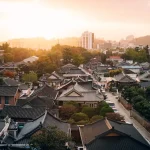
📷 Featured image by Daniel Bernard on Unsplash.