On this page
- 2026 What’s New in Jeju
- Plan Your Five Days: Base, Route and Pace
- Day 1, Jeju City: A Slow Landing
- Day 2, The West Coast: Beaches, Cafés and Black Rock
- Day 3, Hallasan: The Summit and Its Easier Alternatives
- Day 4, The East: Sunrise Crater, Udo Island and the Lava Tube
- Day 5, Seogwipo and the South: Waterfalls, Cliffs and Coastal Paths
- Where to Eat on Jeju
- Getting Around Jeju
- 2026 Budget Reality
- Seasons and Practical Tips
- Frequently Asked Questions
💰 Click here to see Korea Budget Breakdown
💰 Prices updated: 2026-11-01. Budget figures are estimates — always verify before travel.
Exchange Rate: $1 USD = 1,334 KRW
Daily Budget (per person) • Pricing updated as of 2026-11-01
Daily Budget
Shoestring: 70,000 KRW - 120,000 KRW ($52.47 – $89.96)
Mid-range: 180,000 KRW - 300,000 KRW ($134.93 – $224.89)
Comfortable: 270,000 KRW - 550,000 KRW ($202.40 – $412.29)
Accommodation (per night)
Hostel/guesthouse: 28,000 KRW - 65,000 KRW ($20.99 – $48.73)
Mid-range hotel: 90,000 KRW - 165,000 KRW ($67.47 – $123.69)
Food (per meal)
Budget meal (street food): 9,000 KRW ($6.75)
Mid-range meal (restaurant): 22,000 KRW ($16.49)
Upscale meal: 65,000 KRW ($48.73)
Transport
Single subway/bus trip: 1,600 KRW ($1.20)
Climate Card (30-day unlimited): 68,000 KRW ($50.97)
Jeju looks small on the map, so many visitors book three days, then spend half of them stuck in a rental-car queue or driving back and forth across the island. In 2026 the problem is bigger: flights from Seoul fill early, the best summit permits go fast, and the island’s popular spots clog up on weekends. A good five-day plan fixes this by moving in one direction each day and keeping Hallasan for the clearest forecast window. This itinerary does that.
2026 What’s New in Jeju
Jeju has changed in quiet but useful ways since 2024. Some of these affect how you plan, so check them first.
- Navigation: Naver Map and KakaoMap are still the reliable choices on Jeju. Google Maps shows places, but its driving directions are limited. Download one of the Korean apps before you land.
- Electric cars: Jeju has one of the highest shares of EVs in Korea, and chargers are now common at attractions, cafés and hotels. Many rental companies offer EVs at lower daily rates than petrol cars, though you may need to charge once or twice a day.
- Hallasan access: The two summit trails, Seongpanak and Gwaneumsa, use an online reservation system with a daily cap. Walk-up entry to the summit is not possible, so book before you buy non-refundable flights.
- Entry rules: K-ETA exemptions for some nationalities have been extended in the past and could change again. Check the official K-ETA page for your passport before you book.
- Crowding: Jeju International Airport is one of the busiest in Korea, and the Gimpo–Jeju route is among the busiest in the world. Weekend and holiday flights sell out weeks ahead, so midweek flights are cheaper and calmer.
Plan Your Five Days: Base, Route and Pace
Jeju is about 73 km east to west. Driving from the airport to Seongsan takes about an hour, and Seogwipo is about 50 minutes from Jeju City over the mountain road. The mistake is staying in one spot and driving out each day. Move your base instead.
The simplest plan is two bases. Stay in Jeju City for nights 1 and 2, covering the city and the west coast. Then move to Seogwipo or the Jungmun area for nights 3 to 5, covering Hallasan, the east and the south. This cuts roughly 90 minutes of driving a day. If you want only one base, Jeju City has the most food and the easiest airport access.
Each day has one main area and one back-up, so a rainy afternoon does not wreck the schedule. Jeju weather changes fast, and the south can be sunny while the north is wet.

Day 1, Jeju City: A Slow Landing
Do not try to see the whole island on arrival day. Pick up your car or head into the city by bus or taxi, drop your bags, and stay close to the water.
Yongduam and the Tapdong waterfront
Yongduam Rock, the “Dragon Head Rock”, is about 10 minutes from the airport by taxi. It is a basalt formation shaped by waves, and the sea crashing against it is loud. Late afternoon is the best time, when the light turns the rock dark gold. Walk the waterfront path toward Tapdong, where fishing boats rock in the harbour and you can smell salt and diesel in the breeze.
Dongmun Market in the evening
Dongmun Traditional Market is the island’s best-known market and the best place for a first dinner. The night market stalls open in the evening, and the smell of grilled seafood, fried snacks and fresh tangerines drifts down the aisles. Walk the whole market before you buy. Prices are clear, and sampling is normal.
If it rains
Go to the Jeju Folk Museum or the National Museum of Jeju, both free or low-cost and close to the city centre. They explain the island’s volcanic origin and give you background for the next four days.
Day 2, The West Coast: Beaches, Cafés and Black Rock
Drive west along the coastal road. Everything today is within 45 minutes of the previous stop, so there is no rush.
Aewol coastal road
Start at Aewol, about 30 minutes from Jeju City. The coast here is a mix of black basalt, turquoise water and small cafés built into the rock. Pick one with an ocean-facing window and stay for coffee. The cafés fill by late morning, so arrive at opening.
Hallim and Hyeopjae
Hyeopjae Beach has pale sand and shallow water that stays warm in summer. On clear days you can see Biyangdo island offshore. In winter the beach is nearly empty, and the sound of wind over the sand is the main thing you hear. Nearby, Geumneung Beach has similar views with fewer people.

Sanbangsan and Gapado options
In the late afternoon, continue south to Sanbangsan, a steep lava dome beside the sea. It is a short climb to a cave temple on the mountainside. If you want to swap the day for an island, a short ferry from Unyeon Port goes to Gapado, which is famous for its flat green fields in spring and its slow pace.
Day 3, Hallasan: The Summit and Its Easier Alternatives
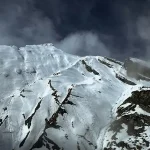
Hallasan is South Korea’s tallest mountain at 1,947 metres, and the crater lake at the top, Baengnokdam, is the reason most people climb it. This is the one day that needs strict timing.
The summit option
The Seongpanak trail is 9.6 km one way and takes about 4.5 hours up and 3.5 hours down. The Gwaneumsa trail is steeper and a bit longer. Both have strict checkpoint times: if you are not at the shelter by the cutoff, rangers turn you around. Start at dawn, carry water, food and a rain jacket, and bring layers, because the summit can be 10 to 15 degrees colder than the coast. The weather on the top changes in minutes.
The easier options
If you cannot get a summit slot or do not want a nine-hour day, the Eorimok and Yeongsil trails go to high viewpoints with no summit reservation requirement. Eorimok has a gentle first section through pine forest. Yeongsil ends below a rock formation called Seonbawi, with dramatic views over the crater walls. Witse-oreum is a short, popular alternative with a wooden boardwalk and sweeping views.
After the mountain
Your legs will be tired, so keep the evening light. A hot bath at a Seogwipo or Jungmun guesthouse or hotel is the best way to finish the day.
Day 4, The East: Sunrise Crater, Udo Island and the Lava Tube
The east side is the island’s most scenic and the best place to see its volcanic origin up close. Start early.
Seongsan Ilchulbong
Seongsan Sunrise Peak is a tuff cone that rose from the sea about 5,000 years ago. The climb takes 20 to 30 minutes on a stepped path, and the crater at the top is grassy and surprisingly quiet. Sunrise is the reason to go: the sky turns pink, then orange, and the sound of gulls rises with the light. Entry is about 5,000 KRW (~$3.70). Arrive before the sun to find a good spot.

Udo Island
Ferries run from Seongsan Port every 30 minutes or so, and the crossing takes about 15 minutes. A round trip costs about 10,500 KRW (~$7.80). Once on Udo, rent an electric scooter or a bicycle and ride the coastal road. The island has white coral sand beaches, low stone walls and fields of peanuts. It is a calm place to spend the middle of the day.
Manjanggul Lava Tube
In the afternoon, go to Manjanggul, a UNESCO-listed lava tube near Gimnyeong. Only about one kilometre is open to visitors, and it stays around 11 to 15 degrees all year, so bring a light jacket in summer. The air is damp and cool, your footsteps echo off the dark walls, and the lava column at the end is about 7 metres tall. Entry is about 4,000 KRW (~$3). Check opening days first, as it closes for maintenance at times.
Day 5, Seogwipo and the South: Waterfalls, Cliffs and Coastal Paths
The south coast is greener and warmer than the north, with citrus orchards on the hills and sheer cliffs along the shore. Finish your trip here at an easy pace.
Jusangjeolli and Jungmun
Jusangjeolli Cliff is a line of hexagonal basalt columns that rise from the sea, formed when lava cooled quickly in contact with water. Waves crash against them, and the spray reaches the viewing platform on rough days. It is next to the Jungmun Resort area and costs only a few thousand won to enter.
Cheonjeyeon and Oedolgae
Cheonjeyeon Falls has three tiers and a short, shaded path from the car park. It is best after rain, when the water is full. Oedolgae Rock, a lone sea stack near Seogwipo, sits on Olle Route 7, one of the most popular sections of Jeju’s coastal walking trails. Walk the coast for an hour or two. The path is clear, the sea is loud, and you can stop at any point.
Last evening in Seogwipo
Walk the harbour at Saeyeongyo Bridge, then eat dinner in the old town. If you have a late flight the next day, this is a much calmer end to the trip than the airport area.
Where to Eat on Jeju
Jeju’s best meals are tied to places, not to a single famous restaurant. Use these areas as your map.

- Dongmun Market, Jeju City: Best for casual evening snacks and seafood. The night market stalls are the most social spot on the island.
- Yeon-dong and Nohyeong-dong, Jeju City: The main dining districts, with a dense mix of black pork barbecue restaurants, seafood places and late-night bars. Good for groups.
- Jeju Folk Five-Day Market: Runs on dates ending in 2 and 7. It is a local market with produce, street food and small stalls, and fewer tourists than Dongmun.
- Seogwipo Maeil Olle Market: The best market in the south, with a covered arcade of fresh fish, tangerines and snack stalls. Close to the harbour.
- Seongsan and Udo ports: Small seafood restaurants near the harbours serve whatever the boats brought in that morning. Look for places with handwritten menus.
- Hamdeok Beach and Gimnyeong area: Beachfront cafés and light meals in the north-east, useful between the lava tube and the city.
- Aewol and Hallim coast: Best for café stops and quick lunches on the west coast.
On Udo, try the peanut-based ice cream and snacks sold from small shops on the main road. They are sold everywhere on the island, and the scent of roasting nuts follows you along the street.
Getting Around Jeju
A car gives you the most freedom, and it is the easiest way to follow this route. Foreign visitors can drive with a valid passport, home licence and International Driving Permit that meets the 1949 Geneva Convention. Rental companies near the airport run shuttle buses, and booking ahead is cheaper than arriving without a reservation.
Buses are cheap and cover most major sights, but timing is slow. The 700 and 600 intercity lines connect the airport, Jeju City, Jungmun and Seogwipo, while local buses reach attractions with long waits between departures. Taxis are plentiful in the cities, and Kakao T works well for pickups. For a full day with a driver, you can hire a tour taxi, which is a good option if you do not want to drive.
Roads on Jeju are well signed, but speed cameras are everywhere, and the mountain road across the island (the 1100 Road) can be closed in snow. Fill up or charge before long drives, as stations are fewer in the countryside.
2026 Budget Reality
Prices below are per person per day unless stated, using about 1,350 KRW = 1 USD. Flights are separate.
- Budget: About 80,000–120,000 KRW (~$60–$90). Guesthouse dorm or basic room (30,000–60,000 KRW, ~$22–$45), market meals (8,000–12,000 KRW, ~$6–$9 each), bus travel and a few entry fees.
- Mid-range: About 180,000–300,000 KRW (~$133–$222). Private hotel room (100,000–180,000 KRW, ~$74–$133), a rental car (50,000–90,000 KRW, ~$37–$67 a day), café stops and sit-down meals (15,000–30,000 KRW, ~$11–$22).
- Comfortable: About 400,000–700,000 KRW (~$296–$519). Jungmun or oceanfront resort (250,000+ KRW, ~$185+), private tour taxi (about 150,000–200,000 KRW, ~$111–$148 for a full day), black pork dinners and extras like boat trips.

Entry fees are low: most major sights cost 2,000–5,000 KRW (~$1.50–$3.70). Hallasan itself is free. The big costs are your room and your car, and both climb fast on weekends and in July, August and October.
Seasons and Practical Tips
Spring (March to May) brings yellow canola flowers and mild weather, and it is the most popular time. Summer is hot and humid, with a rainy spell in late June and July. Autumn (September to November) is dry and clear, with silver grass on the volcanic hills. Winter is cold and windy but quiet, and camellia gardens bloom, while Hallasan often has snow.
- Wind: It is real on Jeju. Bring a windproof jacket even in spring.
- Cash and cards: Cards work almost everywhere. Keep a little cash for markets and small ferries.
Frequently Asked Questions
Is 5 days enough for Jeju Island?
Yes, five days is enough to see the main highlights without rushing. It allows one day each for Jeju City, the west coast, Hallasan, the east and the south. If you want slower beach time, extra island trips or longer hikes, add a sixth or seventh day.
Do I need a car in Jeju?
A car is the easiest way to cover the island, especially for the west coast and east coast routes. Buses reach most major sights but are slow and infrequent. If you do not want to drive, hire a tour taxi for a day or combine buses with taxis booked through Kakao T.
What is the best time of year to visit Jeju?
Spring and autumn are best, with mild weather and clear skies. April has canola flowers, and October has silver grass and sharper views. Summer is hot and rainy at times, and winter is windy and quiet. Hallasan is best on clear days outside winter, when snow may close trails.
How do I get from Seoul to Jeju?
Fly from Gimpo Airport to Jeju International Airport, a trip of about one hour and ten minutes. Flights run all day, and several airlines operate the route. Book early for weekends and holidays. Ferries from the mainland exist, but they take many hours.
Do I need a reservation to climb Hallasan?
Yes, the summit trails, Seongpanak and Gwaneumsa, require an online reservation with a daily limit. Book as early as possible and bring your ID. Other trails, such as Eorimok, Yeongsil and Witse-oreum, do not require a summit permit and still offer excellent views of the mountain.
📷 Featured image by Spenser Sembrat on Unsplash.