💰 Click here to see Korea Budget Breakdown
💰 Prices updated: 2026-10-01. Budget figures are estimates — always verify before travel.
Exchange Rate: $1 USD = 1,356 KRW
Daily Budget (per person) • Pricing updated as of 2026-10-01
Daily Budget
Shoestring: 60,000 KRW - 95,000 KRW ($44.25 – $70.06)
Mid-range: 130,000 KRW - 250,000 KRW ($95.87 – $184.37)
Comfortable: 350,000 KRW - 550,000 KRW ($258.11 – $405.60)
Accommodation (per night)
Hostel/guesthouse: 25,000 KRW - 65,000 KRW ($18.44 – $47.94)
Mid-range hotel: 90,000 KRW - 165,000 KRW ($66.37 – $121.68)
Food (per meal)
Budget meal (street food): 9,000 KRW ($6.64)
Mid-range meal (restaurant): 22,000 KRW ($16.22)
Upscale meal: 65,000 KRW ($47.94)
Transport
Single subway/bus trip: 1,600 KRW ($1.18)
Climate Card (30-day unlimited): 67,000 KRW ($49.41)
Most visitors to Korea in 2026 pack their Seoul days with palaces, cafés, and crowded shopping streets, then wonder where the quiet history went. Suwon answers that. It sits less than an hour south by subway, and it has a UNESCO-listed fortress, a royal palace, and one of Korea’s most famous beef rib traditions, all without the Seoul crowds.
Why Suwon Works as a Day Trip
Suwon is the capital of Gyeonggi Province, and it feels like two cities. Around the station and the big business districts, it is modern and busy. Inside the old walls, it is slower, with low rooftops, narrow lanes, and the occasional guard in traditional costume.
The reason to come is Hwaseong Fortress. King Jeongjo built it between 1794 and 1796, partly to honour his father and partly to create a new power base. It earned UNESCO World Heritage status in 1997. The wall runs about 5.7 km around the old town, and unlike many Korean heritage sites, it was designed with real engineering in mind. You will see cannon platforms, observation towers, secret gates, and bastions that were far ahead of their time.
Getting to Suwon from Seoul
The easiest route is Seoul Subway Line 1. From Seoul Station, the ride to Suwon Station takes roughly 55 to 70 minutes on a regular train. Express trains on the same line cut that to about 45 minutes, so check the display board on the platform. Fares are around 2,500 to 3,000 KRW (~$2), and you tap your T-Money or credit card at the gate, with that familiar quick beep.
Other options:
- Suin-Bundang Line: Best if you are staying in Gangnam. Trains run to Suwon Station in about an hour.
- Intercity trains (ITX or Mugunghwa): Faster, around 30 to 40 minutes from Seoul Station, with a small extra fare. Worth it if you want to save time.
- Express bus: Buses from Gangnam and Sadang run to Suwon, but traffic can add 30 minutes or more on weekends.
One 2026 note: the GTX-A express line is expanding in northern and southern Gyeonggi, but it does not stop in central Suwon. Do not plan around it for this trip. Line 1 is still the reliable choice. Also, subway base fares in the Seoul area went up in 2025, so older blog posts may quote lower prices.
Walking Hwaseong Fortress
The full loop is about 5.7 km and takes two to three hours at a relaxed pace. Entering the wall area is free. You only pay for specific sites inside, such as the palace.
Start at Paldalmun, the south gate. It is the one you will see in most photos, and it sits in the middle of a traffic circle, which is a little jarring at first. From here, follow the wall uphill toward Seojangdae, the western command post. The climb is steady but not hard, and the view over the rooftops is the best on the route.
Key stops along the wall:
- Seonojitdae and Janganmun: Janganmun is the north gate and the largest of the four main gates. Its design is bigger and more defensive than the others.
- Hwahongmun: A floodgate bridge over the Suwoncheon stream, with seven arches. At night it is lit, and the reflection on the water is lovely.
- Banghwasuryujeong: A small pavilion above the stream. Locals sit here in the evening, and the stone and wood hold the day’s warmth.
- Dongjangdae and Yeonmudae: Here you can try traditional archery for a few thousand won. Hearing the thud of an arrow hitting the target is more satisfying than it looks.
If you do not want to walk the whole wall, the Hwaseong Fortress Trolley connects the main sites for a small fee. The ride is slow and a bit touristy, but it saves your legs in summer.
Beyond the Walls: Palace, Murals, and Markets
Hwaseong Haenggung is the temporary palace King Jeongjo used when he visited Suwon. It is one of the largest of its kind in Korea. Admission is roughly 2,000 KRW (~$1.50). On many days from spring to autumn, there are martial arts performances and guard ceremonies in the courtyard. The wooden floors, the smell of old timber, and the drumbeat of the ceremony make this a real highlight, not just a photo stop.
Just outside the palace is Haenggung-dong, a neighbourhood that has changed a lot in recent years. Murals cover old walls, and small cafés, craft shops, and bakeries fill former family homes. It is a good place to slow down for an hour. Many cafés here offer views of the fortress rooftops, which beats a coffee in a chain store.
For a more local feel, walk to Jidong Market and Yeongdong Market. These are working markets with produce stalls, rice cake sellers, and the smell of frying oil. They are not polished, and that is the point. Early afternoon is a good time to visit before stalls start packing up.
Where to Eat in Suwon
Suwon is known for two dishes, and both are worth the trip on their own.
Suwon Galbi (Wang Galbi)
This is the city’s signature meal. Suwon galbi uses large, thick cuts of beef short rib, grilled over charcoal, with a savoury marinade that is not too sweet. Many restaurants in the old town and around the Hwaseong area serve it, and Gabojeong is one of the best-known names. Expect to pay around 40,000 to 60,000 KRW (~$30 to $45) per portion at established places. Most restaurants require at least two portions per table, so go with a friend if you can.
Tongdak (Whole Fried Chicken)
Suwon’s tongdak is a whole chicken, fried in a thin, crisp coating, and served chopped, with simple sides. It is not the sticky, sauced style most visitors know from Seoul. You will find tongdak shops near Paldalmun, often with a line out the door. A whole chicken costs about 20,000 to 25,000 KRW (~$15 to $19), and it works well for two people.
Market snacks
If you want something lighter, try sundae, tteokbokki, and hotteok at the market stalls. Most items cost 3,000 to 6,000 KRW (~$2 to $4.50).
Getting Around Suwon
Suwon Station is not close to the fortress, so plan the transfer. Local buses such as numbers 11 and 13 run from the station toward Paldalmun in about 15 to 20 minutes. Fares are about 1,500 to 1,800 KRW (~$1.20), payable by T-Money. A taxi takes similar time and costs around 5,000 to 7,000 KRW (~$4 to $5), which is reasonable if you are two or three people.
Walking from the station to Paldalmun takes 35 to 45 minutes. It is flat and passable, but not the most scenic walk. Save your energy for the wall.
For navigation, Naver Map and Kakao Map remain the most reliable apps for bus numbers and walking routes in Korea. Google Maps works for basic directions but still gives limited transit detail, so keep a Korean app on your phone.
2026 Budget Reality
Suwon is affordable compared to Seoul, and food is where most of your money goes.
- Budget (about 25,000 to 40,000 KRW / $19 to $30): Subway round trip, market snacks, a simple lunch, free wall walk, and a coffee.
- Mid-range (about 60,000 to 90,000 KRW / $45 to $67): Subway or ITX, palace entry, archery, one galbi or tongdak meal, local bus rides, and a café stop.
- Comfortable (about 150,000 KRW+ / $110+): Taxis between sites, a premium galbi dinner for two, a trolley ride, and extra time for shopping or an overnight stay.
Prices have crept up since 2024, mostly in restaurants and transit, so build in a small buffer.
Day Trip or Overnight?
For most visitors, a day trip is enough. You can arrive by 10:00, walk the wall, visit the palace, eat a long lunch, and be back in Seoul by 21:00. That covers the main highlights without rushing.
Stay overnight if you want to see the fortress lit at night without worrying about the last train, or if you plan to add the nearby Korean Folk Village in Yongin the next day. Hotels near Suwon Station run about 70,000 to 120,000 KRW (~$52 to $89) per night, and options near the old town are fewer but more atmospheric.
If you go on a day trip, choose a weekday. Weekends bring school groups and local families, and the best tongdak and galbi places fill up by noon.
Frequently Asked Questions
How long does it take to get from Seoul to Suwon?
By subway Line 1 from Seoul Station, it takes about 55 to 70 minutes on a regular train, or 45 minutes on an express. Intercity ITX and Mugunghwa trains can reach Suwon in 30 to 40 minutes. Add 15 to 20 minutes by bus from Suwon Station to the fortress.
Is Hwaseong Fortress free to visit?
Yes, walking along the fortress wall and through the gates is free. You only pay for specific sites inside, such as Hwaseong Haenggung palace, which costs around 2,000 KRW. Activities like archery and the fortress trolley also have separate fees, usually a few thousand won.
How long does it take to walk the whole Hwaseong Fortress wall?
The full loop is about 5.7 km and takes roughly two to three hours at a relaxed pace, including photo stops. The route has some uphill sections near Seojangdae but is manageable for most people. You can shorten it by skipping the northern stretch or using the trolley.
What food is Suwon famous for?
Suwon is best known for Suwon galbi, large grilled beef short ribs with a savoury marinade, and tongdak, a whole fried chicken with a thin crispy coating. Market snacks like sundae and tteokbokki are also popular. Most restaurants cluster around the old town and Paldalmun area.
Is Suwon worth a day trip if I only have one day outside Seoul?
Yes. Suwon offers UNESCO heritage, a royal palace, and strong local food within one hour of Seoul. It is easier to navigate than many regional cities, and the fortress is compact enough to cover in a single day. It suits first-time visitors and repeat travellers alike.
Explore more
Suwon Hwaseong Fortress Guide: A UNESCO Gem Near Seoul Worth Visiting
Sokcho Itinerary: 3 Days Exploring Korea’s Stunning Northeast Coast
Conquering Seoraksan: A Hiker’s Guide to Sokcho’s Majestic National Park
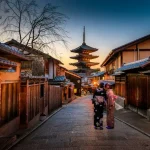
📷 Featured image by Fré Sonneveld on Unsplash.