On this page
- What Makes Korea’s Regions Different
- Gyeongju: Living History
- Jeonju: Hanok Streets and Korea’s Food Capital
- Gangneung and Sokcho: The East Coast
- Yeosu and Tongyeong: The Southern Coast
- What to Eat and Where
- Getting There From Seoul and Busan
- Getting Around Once You Arrive
- Day Trip or Overnight?
- 2026 Budget Reality
- Frequently Asked Questions
💰 Click here to see Korea Budget Breakdown
💰 Prices updated: 2026-11-01. Budget figures are estimates — always verify before travel.
Exchange Rate: $1 USD = 1,334 KRW
Daily Budget (per person) • Pricing updated as of 2026-11-01
Daily Budget
Shoestring: 70,000 KRW - 120,000 KRW ($52.47 – $89.96)
Mid-range: 180,000 KRW - 300,000 KRW ($134.93 – $224.89)
Comfortable: 270,000 KRW - 550,000 KRW ($202.40 – $412.29)
Accommodation (per night)
Hostel/guesthouse: 28,000 KRW - 65,000 KRW ($20.99 – $48.73)
Mid-range hotel: 90,000 KRW - 165,000 KRW ($67.47 – $123.69)
Food (per meal)
Budget meal (street food): 9,000 KRW ($6.75)
Mid-range meal (restaurant): 22,000 KRW ($16.49)
Upscale meal: 65,000 KRW ($48.73)
Transport
Single subway/bus trip: 1,600 KRW ($1.20)
Climate Card (30-day unlimited): 68,000 KRW ($50.97)
Seoul in 2026 is busier and pricier than ever, and many first-time visitors spend a whole week in the same crowded neighbourhoods. Meanwhile, a hanok guesthouse in Jeonju or a seafront room in Gangneung costs far less, and the sights feel calmer. The regions are also easier to reach than they used to be. Here is how to pick the right ones and plan them well.
What Makes Korea’s Regions Different
Each region has a clear identity. The southeast holds the ancient Silla kingdom. The southwest is known for its food and traditional arts. The east coast offers mountains and open sea. The south coast has islands, harbours, and seafood. Cities move at a slower pace here, locals have more time to chat, and portions at restaurants are often bigger. Since 2024, express rail and better booking apps have made these places far more accessible to people who don’t speak Korean.
Gyeongju: Living History
Gyeongju was the capital of the Silla kingdom for nearly a thousand years, and grassy royal burial mounds still rise between modern streets. Start at Daereungwon Tomb Complex, then walk to Cheomseongdae, an observatory built in the 7th century. Come back after dark to Donggung Palace and Wolji Pond, where the reconstructed pavilions glow over the water. Reserve a full morning for Bulguksa Temple and Seokguram Grotto, both UNESCO-listed and set on the slopes of Mount Toham.
The old town is flat, so cycling between sights is easy. The area around Hwangnidangil has cafes in converted hanok houses. You will smell sweet red bean paste drifting from the shops selling Hwangnam-ppang, Gyeongju’s famous little pastries.
Jeonju: Hanok Streets and Korea’s Food Capital
Jeonju Hanok Village holds more than 700 traditional houses, and many have been turned into teahouses, craft shops, and guesthouses. Visit in the early morning, before day-trip crowds arrive. You can hear the quiet clack of wooden sandals on stone lanes and see steam rising from rice-cake stalls.
Beyond the village, visit Gyeonggijeon Shrine, the Jeondong Cathedral, and the Nambu Market night stalls. Many travellers wear rented hanbok here, but a plain walk is just as enjoyable. Jeonju is a UNESCO City of Gastronomy, so plan your day around meals rather than sights.
Gangneung and Sokcho: The East Coast
Gangneung is a beach and coffee town about two hours from Seoul by train. Anmok Beach has a row of cafes where you can order a hand-dripped coffee and watch waves roll in. Gyeongpo Beach and Ojukheon House, where a famous Joseon scholar was born, make good additions to a slow day.

Head north to Sokcho for Seoraksan National Park. The cable car to Gwongeumseong Fortress gives wide views, and the Biryong Falls trail is a gentler hike. Autumn leaves peak in October, and winter snow is spectacular. Sokcho’s Abai Village still uses a hand-pulled cable ferry, which is a charming short ride.
Yeosu and Tongyeong: The Southern Coast
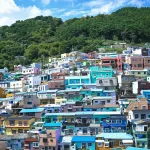
Yeosu sits on a bay full of islands and is best at night. Take a boat or walk the harbour to see lights reflect on the water. The Odongdo Island walking path is easy and pretty, and the cable car across the bay gives good photos. Tongyeong, a few hours’ bus ride along the coast, is known for art, ferry rides, and the Dongpirang mural village. Both towns are quieter outside summer weekends.
What to Eat and Where
- Jeonju: Try bibimbap at a long-established restaurant near Hanok Village, where the rice is cooked in beef broth. Late at night, head to Nambu Market for skewers and street snacks. Local makgeolli (rice wine) bars serve a table full of side dishes with each kettle.
- Gyeongju: Look for ssambap (leaf-wrapped rice) restaurants near Hwangnidangil and buy Hwangnam-ppang at the famous bakeries by Daereungwon.
- Gangneung: Order soft tofu stew in Chodang Sundubu Village, and eat raw fish at Jumunjin Fish Market. Coffee on Anmok Beach is a must.
- Sokcho: Queue for dak-gangjeong (sweet fried chicken) in the central market, and try squid sundae, a Sokcho speciality, near Abai Village.
- Yeosu: Seek out gejang (soy-marinated crab) and gat-kimchi (mustard leaf kimchi), then wander the Haesan Market for grilled fish.
Getting There From Seoul and Busan
KTX high-speed trains run from Seoul to Jeonju in about 1 hour 40 minutes, and to Gyeongju (Singyeongju Station) in about 2 hours. The KTX-Eum line connects Seoul to Gangneung in roughly two hours. From Busan, Gyeongju is only about 30 minutes away by KTX, which makes it the easiest add-on to a Busan trip. Express buses from Seoul’s Express Bus Terminal cover most cities and are often cheaper. The GTX-A line has improved commutes between Seoul and the southern suburbs since its opening, but it is not the route for regional tourism yet, so stay with KTX and intercity buses.

Getting Around Once You Arrive
Regional cities use local buses that accept T-Money and similar cards. You tap in as you board, and a bright voice announces each stop in Korean and often in English. Fares usually run 1,500 to 2,000 KRW (about $1.10 to $1.50). Download Naver Map or Kakao Map before arrival because they have the most reliable bus timing and walking routes. In Gyeongju and Jeonju, rental bikes and electric scooters are common and cheap. Taxis are plentiful and affordable for trips to remote sights like Seokguram. For Seoraksan and the south coast, check bus timetables carefully, because evening services can be limited.
Day Trip or Overnight?
Gyeongju from Busan works well as a day trip, with only a 30-minute train ride each way. From Seoul, it is possible but tiring, since you lose four hours on the train. Jeonju is a reasonable day trip, but an overnight stay lets you see the hanok village at dawn and dusk. Gangneung also works for a day, though staying one night gives you a proper evening by the sea. Sokcho and Seoraksan deserve at least two days, and Yeosu and Tongyeong are best with an overnight. As a rule, if a place has a famous night view or a long hike, stay over.
2026 Budget Reality
Prices below are typical 2026 figures at about 1,350 KRW per USD.
- Budget: Hostel or simple motel, 40,000 to 70,000 KRW ($30 to $52) a night. Meals at local restaurants, 9,000 to 12,000 KRW ($7 to $9). Daily total around 80,000 to 110,000 KRW ($60 to $82), not including intercity transport.
- Mid-range: Hanok guesthouse or business hotel, 100,000 to 180,000 KRW ($74 to $133) a night. Sit-down meals, 12,000 to 25,000 KRW ($9 to $19). Daily total around 170,000 to 260,000 KRW ($126 to $193).
- Comfortable: Boutique hanok or resort hotel, 200,000 to 350,000 KRW ($148 to $259) a night. Set-course dinners or fresh seafood, 40,000 to 80,000 KRW ($30 to $59). Daily total around 320,000 to 500,000 KRW ($237 to $370).
Intercity transport adds up. A Seoul to Gyeongju KTX ticket is around 50,000 KRW ($37), while express buses to Jeonju or Gangneung usually run 15,000 to 25,000 KRW ($11 to $19). Hanok rooms and coastal hotels can double in price on weekends and national holidays, so book ahead.

Frequently Asked Questions
Which regional city is best for first-timers?
Gyeongju is the easiest first choice. It has a compact historic core, direct KTX service from Seoul and Busan, and major sights within a short bus or bike ride. Jeonju is a close second if food matters most to you. Both work well even if you speak no Korean.
Can I visit regional cities without speaking Korean?
Yes. Major sights have English signs, and Naver Map or Kakao Map handle directions well. Translation apps like Papago help with menus. Smaller restaurants may have Korean-only menus, but pointing at photos works fine. Tourist information centres at train stations usually have English-speaking staff who can help.
Is a KTX pass worth it for regional travel?
It depends on your route. The Korail Pass can save money if you take three or more long KTX rides in a few days. For one or two trips, single tickets or express buses are often cheaper. Compare prices in the Korail Talk app before buying anything.
How many days do I need for a regional trip?
Plan four to seven days for two or three regions. Allow one night each in Gyeongju and Jeonju, and two on the east coast. Rushing between cities eats time, so group destinations by direction rather than trying to see everything in one trip.
What is the best season to visit?
Spring (April to May) and autumn (October to early November) bring mild weather, cherry blossoms, and colourful foliage. Summer is hot and humid, with a monsoon from late June, though east coast beaches are lively. Winter is cold but cheaper, and Seoraksan looks beautiful under snow.
Explore more
Lesser-Known Korea: Unforgettable Destinations Off the Beaten Path
Korea Beyond Seoul: The 10 Best Cities You Need to Visit Now
Gangneung Travel Guide: Coffee, Beaches, and K-Drama Charm on the East Coast