On this page
- Getting to Seoul: The 2026 Arrival Playbook
- The 2026 Transport Revolution: GTX-A and the Climate Card
- Where to Stay: Neighbourhoods That Actually Make Sense in 2026
- Seoul’s 2026 Cultural Scene: What’s New, What’s Still Essential
- Food in Seoul: Where to Eat in 2026
- Paying for Everything: The 2026 Cashless Reality
- Navigating Seoul: The 2026 Map Situation
- 2026 Budget Reality: What Seoul Actually Costs
- Day Trips from Seoul Worth Taking
- Seoul for Digital Nomads and Remote Workers
- Practical Information: The 2026 Seoul Checklist
- Seoul’s Nightlife Scene in 2026
- Shopping in Seoul: Where to Go and What to Buy
- Jjimjilbang: The Korean Spa Experience
- K-Beauty and Aesthetic Clinics: The 2026 Scene
- Getting Around Seoul Beyond the Subway
- Seoul for First-Timers: The Honest 72-Hour Plan
- Things That Will Surprise You About Seoul
- Frequently Asked Questions
💰 Click here to see Korea Budget Breakdown
💰 Prices updated: 2026-10-01. Budget figures are estimates — always verify before travel.
Exchange Rate: $1 USD = 1,356 KRW
Daily Budget (per person) • Pricing updated as of 2026-10-01
Daily Budget
Shoestring: 60,000 KRW - 95,000 KRW ($44.25 – $70.06)
Mid-range: 130,000 KRW - 250,000 KRW ($95.87 – $184.37)
Comfortable: 350,000 KRW - 550,000 KRW ($258.11 – $405.60)
Accommodation (per night)
Hostel/guesthouse: 25,000 KRW - 65,000 KRW ($18.44 – $47.94)
Mid-range hotel: 90,000 KRW - 165,000 KRW ($66.37 – $121.68)
Food (per meal)
Budget meal (street food): 9,000 KRW ($6.64)
Mid-range meal (restaurant): 22,000 KRW ($16.22)
Upscale meal: 65,000 KRW ($47.94)
Transport
Single subway/bus trip: 1,600 KRW ($1.18)
Climate Card (30-day unlimited): 67,000 KRW ($49.41)
Seoul in 2026 hits different. Not just because of the K-Drama filming locations or the impossibly good street food — though both are still very much here — but because the city has quietly become one of the most genuinely futuristic places on the planet to visit. New high-speed rail that makes suburban stays smarter than central ones. Neighborhoods that reinvent themselves every six months. A payment system so seamless you’ll forget cash ever existed. And a cultural scene that moves so fast, whatever went viral last week is already old news.
This guide is written for 2026. Not a recycled 2024 blog with a date change. Every section covers what’s actually new, what’s changed, and what you need to know before you land.
Getting to Seoul: The 2026 Arrival Playbook
Most international flights land at Incheon International Airport (ICN), which consistently ranks as one of the best airports in the world — and for good reason. The process from wheels-down to central Seoul is smooth if you know the steps.
Before You Land: Digital Forms You Can’t Skip
This is the part most travellers get wrong. Korea now requires two digital forms completed before you land:
- e-Arrival Card — replaces the old paper immigration card. Fill it in via the Korea Electronic Travel Authorization (ETA) website or the official Korea app. Takes about three minutes.
- Q-Code — a health and customs pre-registration that lets you skip the manual declaration lines. Generates a QR code you show at customs. Don’t skip this. The manual processing line without it can add 30–45 minutes to your arrival.
As for the K-ETA — if you’re from the US, UK, Canada, Australia, or most of Western Europe, you’re currently exempt until December 31, 2026 under the Visit Korea Year extension. Check the official Hi Korea website for the full 67-country list before you travel, as exemptions are reviewed annually.
From Incheon to Seoul: Your Options in 2026
The AREX Express Train remains the fastest direct link — 43 minutes from Incheon Terminal 1 to Seoul Station, running every 30 minutes, costing around 9,500 KRW (~$7 USD). It’s clean, on time, and has luggage racks. This is still the default recommendation for most travellers heading to central Seoul or Hongdae.
But 2026 has added a genuinely interesting alternative for anyone staying in the southern districts. The GTX-A extensions and updated Airport Limousine routes now use smart routing to serve Gangnam, Pangyo, and Bundang faster than the AREX + subway combo. If your accommodation is south of the Han River, check the Limousine Bus app before defaulting to AREX — you might save both time and a transfer.
Taxis from Incheon are expensive (80,000–120,000 KRW / ~$60–$90 USD depending on destination and traffic) but fine if you’re splitting with friends or arriving late at night when you just want to get there.
The 2026 Transport Revolution: GTX-A and the Climate Card

This is the section that changes the entire strategy for how you plan your Seoul trip in 2026.
GTX-A: The Train That Makes Suburbs Smarter Than City Centre
The GTX-A (Great Train eXpress) travels at 190 km/h — roughly three times the speed of a standard Seoul subway. The practical result: Kintex in Goyang to Seoul Station in 16 minutes. Suseo (southeastern Seoul) to Suseo in under 20 minutes from points that used to take an hour.
Here’s the travel hack this creates: accommodation in areas like Goyang, Dongtan, or Pangyo is significantly cheaper, quieter, and often newer than equivalent options in central Seoul. With GTX-A, you’re not in the suburbs — you’re just paying less for the same access. A lot of smart 2026 travellers are booking clean, modern hotels in Goyang for 60,000–80,000 KRW a night and riding GTX into Hongdae or Myeongdong in under 20 minutes.
Tickets are separate from the regular T-Money/Climate Card system — you pay per journey, currently around 3,000–4,500 KRW (~$2.20–$3.30 USD) depending on distance.
The Climate Card: Don’t Leave Without It
If you’re staying in Seoul for more than three days, the Seoul Climate Card (Gihoo-Donghang-Card) is non-negotiable. For approximately 65,000 KRW (~$48 USD) you get unlimited subway and bus rides for 30 days. In 2026, this now includes the Hangang River Bus, which resumed full service after a major upgrade and is genuinely one of the best ways to see the city.
Buy it at any subway station ticket machine or at a convenience store. Load it on your phone via the T-Money app if you prefer going fully digital — compatible with both iPhone (via NFC) and Android.
The Regular Subway: Still the Backbone
Seoul’s standard subway network has 23 lines, over 700 stations, and runs until around midnight (later on weekends). It’s fast, air-conditioned, and has English signage throughout. A few 2026-specific tips:
- Find the right door. Seoul station apps show you exactly which carriage to board to be closest to your exit at the destination. Use Naver Maps or Kakao Metro — they both show this. It sounds obsessive until you’re at a station with exits 200 metres apart.
- Google Maps now works. As of early 2026, Google Maps finally has accurate walking and transit directions in Korea. It’s reliable for major routes. That said, Naver Maps is still better for precise subway exit navigation and anything hyperlocal.
- Last train paranoia is real. Check your last train time before you go out. Missing the subway in Seoul means a taxi or a very long walk at 1am.
Where to Stay: Neighbourhoods That Actually Make Sense in 2026
Seoul has dozens of distinct neighbourhoods and the right base depends entirely on what you’re here for. Here’s the honest breakdown for 2026.
Hongdae: The Classic for a Reason
Still the default recommendation for first-timers and anyone under 35 who wants to be close to the action. Hongdae (Hongik University area) has the highest concentration of indie music venues, street performers, late-night food, and affordable accommodation in central Seoul. It’s also directly on the AREX line from Incheon, which makes arrival logistics easy.
The vibe has shifted slightly in 2026 — some of the raw indie edge has been replaced by more polished cafes and brand pop-ups — but the energy is still there, especially on weekends when the street busking scene comes alive around Hongdae Playground from around 6pm.
Budget to mid-range stays: 50,000–120,000 KRW (~$37–$89 USD) per night.
Seongsu-dong: Seoul’s Most Interesting Neighbourhood Right Now
If Hongdae is Seoul’s id, Seongsu-dong is its brain. Once an industrial district full of shoe factories and auto repair shops — many of which are still there, operating alongside the cafes — Seongsu has become the city’s capital of experimental retail, concept stores, and architecture-forward coffee shops.
In 2026, Seongsu is the global headquarters of what Koreans call “pop-up culture.” Brands from Gentle Monster to Nike to completely unknown local designers launch limited-time concept stores here, sometimes lasting just 48 hours. The HAUS NOWHERE installation from Gentle Monster is currently running a 12-metre spherical art piece with an AI photo experience that puts you in a “cyber-hanbok” for your feed. It’s absurd and brilliant simultaneously.
Accommodation here is pricier and sparser — most people stay in Hongdae or Gangnam and commute in. The 2호선 (Line 2) stop at Seongsu makes it an easy 15-minute ride from Hongdae.
Yeonnam-dong: The Quiet Alternative to Hongdae
Right next to Hongdae but a completely different vibe. Yeonnam-dong is where Seoul’s creatives actually live — illustrators, musicians, small-batch food producers, indie bookshop owners. The streets are narrow, tree-lined, and almost entirely free of the tourist hordes that flood Hongdae on weekends.
The food here is exceptional. Restaurants in Yeonnam tend to be small, owner-operated, and genuinely interesting — Korean fusion, natural wine bars, Japanese-style ramen joints that seat eight people. It’s the neighbourhood for a long Sunday afternoon of walking and eating.
Gangnam: For the Aesthetic and the Convenience
Gangnam gets a bad rep for being expensive and corporate, which is fair, but it’s also where you’ll find Seoul’s best beauty clinics, the highest concentration of branded K-Pop entertainment (HYBE, SM, YG are all here or nearby), and the sleekest version of the city’s nightlife. If K-Beauty procedures or the K-Pop pilgrimage is on your list, staying in Gangnam makes logistical sense.
Hotels here start around 120,000 KRW (~$89 USD) and go up steeply. Budget travellers commute in from Hongdae or Sinchon.
Euljiro: The Newtro Scene
One of Seoul’s most interesting recent developments. Euljiro — the printing and metalwork district — has been gradually colonised by bars and cafes that deliberately keep the industrial aesthetic. Neon signs over vintage machinery. Cocktail bars inside former print shops. The locals call it “newtro” (new + retro) and it’s genuinely cool in a way that doesn’t feel manufactured.
Euljiro 3-ga is the epicentre. Go on a Thursday or Friday night. The alleyways between Euljiro 3-ga and 4-ga stations are dense with small bars that don’t have signs — just the kind of places you find by following someone who’s been before.
Seoul’s 2026 Cultural Scene: What’s New, What’s Still Essential

Gwanghwamun Square: The BTS and History Collision
Following the global success of the 2025 Netflix series K-Pop Demon Hunters, Gwanghwamun Square has become one of the most pilgrimage-visited spots in the city. The “Saja Boy” photo spots near the statue of Admiral Yi Sun-sin are currently the most photographed locations in Seoul according to Instagram geotag data.
Beyond the K-Pop connection, Gwanghwamun is genuinely one of Seoul’s most historically significant spots. The 2026 “King’s Road” lighting installation that runs the length of the square in the evenings is worth seeing even if you couldn’t care less about K-Pop — it’s one of the better urban light installations in Asia right now.
The square is also the starting point for the Gyeongbokgung Palace complex, which in 2026 has added AR/VR tours via the Royal Palace AR app. Download it before you go. The overlay of the original palace buildings on the modern surroundings is surprisingly affecting.
Cheong Wa Dae (Blue House) District
Since the former Presidential residence opened fully to the public, the surrounding area has developed into one of the most interesting cultural corridors in the city. The combination of traditional Korean architecture, mountain backdrop (Bugaksan), and the newly developed cultural spaces makes this area worth a half-day.
The Dondeokjeon Hall at nearby Deoksugung Palace now runs immersive AR tours that reconstruct 19th-century royal banquets as you walk through the rooms. Tickets are around 5,000 KRW (~$3.70 USD) and worth every won.
HiKR Ground: For the K-Culture Deep Dive
If you want to understand the full scope of Korean cultural export — K-Pop, K-Drama, K-Beauty, K-Food — in one place, HiKR Ground near Cheonggyecheon is a five-floor immersive experience centre that opened in 2023 and has been significantly expanded for 2026. It’s part museum, part interactive experience, part live event space. Entry is free for most of the exhibitions. The XR (extended reality) K-Pop performance stage on the upper floors is legitimately impressive.
The Seoul Dal Moon Balloon at Yeouido
One of 2026’s genuinely new attractions. The Seoul Dal — a large tethered balloon that rises 200 metres above Yeouido Hangang Park — offers panoramic views of the city, the Han River, and on clear days, the mountains beyond. It operates from roughly 10am to 10pm (weather dependent) and costs around 25,000 KRW (~$18.50 USD) for adults. Sunset rides are predictably popular — book in advance via the Seoul Dal app.
Food in Seoul: Where to Eat in 2026
Seoul’s food scene is one of the best in the world and also one of the most democratic — extraordinary food exists at every price point from 3,000 KRW street tteokbokki to 200,000 KRW omakase. Here’s where to focus in 2026.
Convenience Stores: The 2AM Lifeline
Don’t underestimate convenience stores. CU and GS25 are the two main chains and their food — particularly the hot food counters and the refrigerated ready meals — is genuinely good. The 2026 viral items: Yonsei Milk Bread (the cream-filled brioche that’s been sold out in the Yonsei University area for three years running and has now gone nationwide), Dubai Chocolate cookies (the pistachio-cream filled version has been in every CU since January), and the GS25 “breakfast bundle” sets that come with ramyeon, a triangle kimbap, and a canned latte for around 4,000 KRW (~$3 USD).
Convenience stores are also where you top up your T-Money/WOWPASS, print documents, pay bills, and in some locations, pick up online orders. They are genuinely useful in a way that Western convenience stores are not.
Gwangjang Market: The Street Food Standard
Gwangjang Market in Jongno is one of Korea’s oldest covered markets and the food section is one of the best street food experiences in the city. The bindaetteok (mung bean pancakes), mayak kimbap (tiny addictive rice rolls), and yukhoe (raw beef) stalls are the headlines but wander to the less photographed sections for raw octopus, silkworm pupae (if you’re brave), and homemade noodle soups.
Go on a weekday. Weekend crowds since the Netflix Street Food documentary are difficult.
Mapo and Mangwon: Where Seoul Actually Eats
For a more local experience, the area around Mangwon Market in Mapo-gu gives you what Gwangjang used to be before the Instagram crowd arrived. Smaller, less polished, predominantly local clientele. The tteok (rice cake) stalls here are excellent, and the surrounding neighbourhood has some of the best affordable Korean restaurants in the city — the kind that don’t have menus in English but have picture menus on the wall.
Robot Cafes in Seongsu
Yes, this is a real thing and yes, it’s worth experiencing once. Several cafes in Seongsu now use robotic barista arms to make pour-over coffee with mechanical precision. The coffee is legitimately good — possibly better than most human baristas because the variables are controlled exactly. Prices are around 8,000–12,000 KRW (~$6–$9 USD) per cup. The novelty wears off after one visit but it is a genuinely 2026 Seoul experience.
Paying for Everything: The 2026 Cashless Reality

Korea is effectively cashless in 2026. You can visit Seoul for a week and never need physical won — but you need to set yourself up correctly before you arrive.
WOWPASS: The Tourist’s Best Friend
WOWPASS is the card you want. It functions as a combined debit card, currency exchange card, and T-Money transport card in one. You top it up at WOWPASS kiosks (found in major tourist areas, shopping malls, and subway stations) using your home country’s credit card. The exchange rate is competitive and the convenience is unmatched.
The 2026 version of the WOWPASS app allows you to top up remotely via the app itself — no kiosk needed. Download WOWPASS before you leave home.
Apple Pay and Google Pay
Finally, widely accepted. As of early 2026, Apple Pay works at all CU and GS25 convenience stores, Starbucks, A Twosome Place, most major cafes, and an increasing number of restaurants. Google Pay has similar coverage. Markets and small local restaurants often still don’t accept them — have your WOWPASS ready as backup.
Cash: When You Actually Need It
You’ll want some won for traditional markets (Gwangjang, Namdaemun), temple entry fees, smaller street food vendors, and the occasional local restaurant that genuinely doesn’t take cards. 50,000–100,000 KRW (~$37–$74 USD) in cash is enough for most week-long trips as a top-up to your WOWPASS.
Best exchange rates in Seoul: the private money changers on the basement floor of Myeongdong consistently offer better rates than airport kiosks or bank branches. Don’t exchange at the airport unless you need emergency cash.
Navigating Seoul: The 2026 Map Situation

The navigation situation in Korea has been famously difficult for foreign visitors for years — Google Maps simply didn’t have accurate routing data. In 2026, this has finally changed, but it’s still not the complete picture.
Google Maps: Finally Usable
As of early 2026, Google Maps has integrated accurate walking directions and driving GPS in South Korea for the first time. For most basic navigation — getting from your hotel to a restaurant, finding a landmark, plotting a subway route — Google Maps now works reliably.
Naver Maps: Still Better for Local Detail
Naver Maps is still the local standard and it’s still better than Google for specific subway exit navigation (Seoul’s major stations have up to 15 exits that can be 300 metres apart — knowing exactly which exit to use matters), real-time bus tracking, and finding small businesses that aren’t registered on Google. Download it. Switch the interface to English in settings. Use it for anything local.
Kakao Metro: For Subway Specifically
Kakao Metro is the best dedicated subway app. It shows you which carriage door to board, transfer walking times, and real-time delay information. Free, English interface, essential if you’re taking the subway regularly.
2026 Budget Reality: What Seoul Actually Costs
Seoul is one of the most affordable major cities in East Asia for travellers — significantly cheaper than Tokyo, Singapore, or Hong Kong — but costs have risen in 2026 with inflation and the increased popularity of the city as a destination.
| Category | Budget | Mid-range | Comfortable |
|---|---|---|---|
| Accommodation (per night) | 30,000–60,000 KRW (~$22–$44) | 80,000–150,000 KRW (~$59–$111) | 180,000–350,000 KRW (~$133–$259) |
| Meals (per day) | 15,000–25,000 KRW (~$11–$18) | 35,000–60,000 KRW (~$26–$44) | 80,000–150,000 KRW (~$59–$111) |
| Transport (per day) | 3,000–5,000 KRW (~$2.20–$3.70) | 5,000–10,000 KRW (~$3.70–$7.40) | 15,000–30,000 KRW (~$11–$22) |
| Activities (per day) | Free–10,000 KRW | 10,000–30,000 KRW (~$7.40–$22) | 30,000–80,000 KRW (~$22–$59) |
| Daily total | ~50,000–90,000 KRW (~$37–$67) | ~130,000–250,000 KRW (~$96–$185) | ~300,000–600,000 KRW (~$222–$444) |
Exchange rate used: 1 USD = 1,350 KRW (March 2026)
The biggest variable is accommodation. Seoul has excellent hostels and guesthouses in Hongdae and Sinchon for under 40,000 KRW (~$30 USD) — or use the GTX-A hack above to get better rooms for less by staying slightly outside centre.
Day Trips from Seoul Worth Taking

Suwon Hwaseong Fortress: Now Faster via GTX-C
Suwon is an easy 45-minute trip from Seoul and the Hwaseong Fortress — a UNESCO-listed 18th-century wall that loops around the old city centre — is one of the most underrated day trips in Korea. In 2026, the GTX-C line extension has made Suwon significantly faster to reach from southern Seoul. Walk the full 5.7km wall loop (about 2 hours), have lunch in the traditional market inside the fortress walls, done.
Gyeonggi-do: The Tech Side of Greater Seoul
If you’re interested in seeing what Korean urban planning looks like at its most ambitious, the satellite cities of Pangyo (Korea’s Silicon Valley equivalent) and Songdo (a purpose-built smart city) are worth a half-day each. Not typical tourist destinations but genuinely fascinating if you care about architecture, urban design, or tech.
The DMZ: Not What You Expect
The Demilitarised Zone between North and South Korea is one of the most surreal places you can visit in Asia. Tours leave from central Seoul daily (booking essential — use a licensed operator, not random street vendors). The combination of Cold War infrastructure, tense geopolitical reality, and the genuinely beautiful landscape of the buffer zone makes for a disorienting but memorable experience. Half-day or full-day options available.
Seoul for Digital Nomads and Remote Workers
Seoul is increasingly set up for longer stays and remote work. The infrastructure — internet speed, cafe culture, co-working options — is excellent.
The city has some of the fastest public WiFi in the world. Most cafes have 1Gbps fibre connections. The culture of working from cafes is well established — nobody will rush you for nursing one Americano for three hours (though it’s polite to buy a second drink after a couple of hours if the place is busy).
For the logistics of staying longer — visa options, insurance, accommodation transitions from Airbnb to monthly rentals — see our dedicated Workations guide.
Practical Information: The 2026 Seoul Checklist
SIM and Connectivity
Skip the physical SIM. Get an eSIM before you leave home. Airalo and Holafly are the most reliable providers for Korea — your data plan activates the moment you land at Incheon. If you miss this, physical SIMs and pocket WiFi are available at the airport but eSIM is faster, cheaper, and means one less thing to carry.
Tipping Culture

Don’t tip. Korea has a strong no-tipping culture and leaving money on the table can actually cause awkward confusion for staff. The price on the menu is the price. Service is included in the experience of the restaurant wanting to stay in business.
Language
English is more widely spoken in tourist areas in 2026 than it was five years ago, but learning the Korean alphabet (Hangul) is still the single best investment you can make before your trip. It takes about an hour to learn to read. Most menus, signs, and subway stops have English translations, but being able to read Korean text — even if you don’t understand it — helps enormously when addresses and directions are involved. The Papago app (by Naver) is the best real-time translation tool for Korean specifically.
Electricity and Plugs
Korea uses Type C and Type F plugs (European round-pin, 220V). If you’re coming from the US, UK, or Australia, bring an adapter. Most hotels have USB charging ports but don’t count on it for budget accommodation.
Weather: When to Go
- Spring (March–May): Best time to visit. Cherry blossoms in late March/early April, warm days, low humidity. Peak season — book accommodation early.
- Summer (June–August): Hot, humid, and includes monsoon season (late June–July). Not ideal but doable if you embrace the underground mall culture.
- Autumn (September–November): Second best season. Cooler temperatures, spectacular autumn foliage, fewer tourists than spring.
- Winter (December–February): Cold (can reach -10°C) but dry. Great for skiing day trips and jjimjilbang (Korean spa) culture. Christmas in Seoul is surprisingly festive.
Seoul’s Nightlife Scene in 2026
Seoul’s nightlife is one of the best in Asia and it runs later than almost anywhere else. Clubs in Hongdae and Itaewon regularly go until 7am on weekends.
Hongdae: The Default Starting Point
Hongdae has the highest density of bars, clubs, and live music venues in central Seoul. It’s louder, younger, and more chaotic than anywhere else. The area around Hongdae Playground gets progressively busier from around 9pm on weekends — by midnight the streets themselves are part of the party. Club cover charges are typically 10,000–20,000 KRW (~$7.50–$15 USD) and usually include one or two drinks. The big clubs (NB2, Mystik, Club FF) have queues from midnight onwards on Fridays and Saturdays.
Gangnam: High-Tech Clubs and Bottle Service Culture
If Hongdae is the undergraduate party, Gangnam is the postgraduate one. The clubs around Apgujeong and Cheongdam are slicker, more expensive, and feature production values you’d expect from a major international nightlife district. Several venues in 2026 have installed immersive LED environments that respond to the music in real time — the experience is genuinely different from a standard club setup. Entry is more selective and dress codes are enforced.
Itaewon: The International District
Itaewon has always been Seoul’s most international neighbourhood — more relaxed about English than other districts, broader range of venue types including craft beer bars, cocktail lounges, and LGBTQ+ venues. The hill behind the main strip, particularly Haebangchon, has the best concentration of smaller independent bars with genuine character.
Noraebang: Non-Negotiable

No Seoul trip is complete without at least one noraebang session. Private karaoke rooms — you rent a room by the hour with your group, not a stage in front of strangers — are everywhere. Cost is typically 15,000–30,000 KRW (~$11–$22 USD) per hour. Most have English song catalogues. The experience of belting out Bohemian Rhapsody at 2am with a tambourine in hand is one of those uniquely Seoul things. Mandatory.
Shopping in Seoul: Where to Go and What to Buy
Seoul is one of the best shopping cities in Asia. The range spans from ultra-luxury to underground vintage and the city has genuine design culture that makes it interesting even if you’re not planning to spend much.
Myeongdong: K-Beauty Central
Myeongdong is dense with K-Beauty brands (Innisfree, Etude House, Cosrx, and dozens of others), international fast fashion, street food, and the highest concentration of tourist-facing shops in the city. K-Beauty products are significantly cheaper here than anywhere else in the world — the street food corridor running through the middle is excellent for snacking between shops. Budget at least two hours.
Olive Young: The Real K-Beauty Headquarters
Olive Young — Korea’s dominant health and beauty chain — regularly runs 1+1 (buy one get one) promotions that make bulk buying genuinely economical. The flagship in Myeongdong is the largest in the country and stocks brands that smaller branches don’t carry. This is where you’ll find the cult products that sell out online — Anua toners, Torriden serums, Beauty of Joseon sunscreens — at proper Korean retail prices.
Dongdaemun: 24-Hour Fashion and the DDP
Dongdaemun is where Seoul’s fashion wholesale industry operates — many malls here are open until 4am serving retailers buying stock. For tourists, the DDP (Dongdaemun Design Plaza) — Zaha Hadid’s iconic curved building — houses design exhibitions, concept stores, and regular fashion events. The surrounding market area is good for affordable clothing.
Daiso: Budget Shopping Essential
Multiple locations throughout Seoul. Daiso sells everything at 1,000–5,000 KRW (~$0.75–$3.70 USD) per item and is legitimately excellent — Korean skincare tools, stationery, travel accessories, kitchen gadgets, and the kind of brilliant-but-cheap items that don’t exist at this price elsewhere. The Myeongdong Daiso is six floors. Budget 30 minutes and emerge with things you didn’t know you needed.
Jjimjilbang: The Korean Spa Experience

A jjimjilbang is a Korean public bathhouse and spa and it’s one of the most genuinely local experiences you can have in Seoul. They range from neighbourhood bathhouses (2,000–5,000 KRW entry) to massive multi-floor complexes with sleeping areas, food courts, exercise rooms, and themed saunas (10,000–15,000 KRW).
The experience: you pay entry, receive a locker key and a set of shorts and T-shirt (the communal uniform), and access everything in the facility. Bathhouse areas are gender-separated and clothing-free — this is standard, tattoos are increasingly accepted in 2026 though some older establishments still have restrictions.
Dragon Hill Spa in Yongsan is the most famous large-format jjimjilbang in Seoul — seven floors, multiple themed saunas including salt and charcoal rooms, rooftop pool, food court, open 24 hours. Entry around 12,000–16,000 KRW (~$9–$12 USD). The late-night use is particularly Seoul — arriving at 2am after a night out, sweating it out in the sauna, sleeping a few hours on the communal heated floor, leaving fresh. Genuinely one of the best post-night-out recovery moves in any city on earth.
K-Beauty and Aesthetic Clinics: The 2026 Scene
Seoul’s reputation for aesthetic procedures draws visitors from across Asia and increasingly from the West. The Gangnam district around Apgujeong has the highest concentration of licensed skin clinics. For non-invasive treatments — hydrafacials, laser treatments, skin-boosting injections — prices in Seoul are roughly 30–60% lower than equivalent treatments in Western countries.
Research specific clinics before you go. Look for those with English-speaking staff, clear published pricing, and the official Korean Medical Association certification displayed at the entrance. Book appointments in advance — popular clinics in Gangnam are fully booked weeks ahead in peak season.
Getting Around Seoul Beyond the Subway
Kakao T: The Only Taxi App You Need
Kakao T is Korea’s dominant ride-hailing app and it works without a Korean phone number — register with a foreign number and pay via foreign credit card. Reliable, shows upfront pricing, and drivers don’t need to speak English because the destination is set in the app. Use this instead of flagging street taxis.
Ttareungi: Seoul’s Public Bikes

Ttareungi (Seoul Bike) has 2,500+ docking stations throughout the city. A day pass costs 3,000 KRW (~$2.20 USD). The Han River bike paths are the best use of the system — dedicated cycle lanes along both banks make for an excellent way to see the city at a pace slower than the subway. The Yeouido to Mangwon section is particularly good at sunset.
Electric Scooters
Kickgoing and Beam operate throughout Seoul — useful for the last-mile problem between subway station and your specific destination. Helmets are technically required by law. Stick to dedicated lanes and off main roads.
Seoul for First-Timers: The Honest 72-Hour Plan
If you only have three days in Seoul, here’s the honest version of how to use them — not the version that tries to fit in every neighbourhood simultaneously.
Day 1: Get Oriented in the North
Start at Gyeongbokgung Palace when it opens at 9am — it’s the largest of Seoul’s five grand palaces and the crowds are thinnest in the first hour. Download the Royal Palace AR app before you go. Walk north through the palace grounds and into the Bukchon Hanok Village — a preserved neighbourhood of traditional Korean houses (hanok) that gives you a sense of pre-modern Seoul. The lanes are steep and narrow and genuinely atmospheric in the morning before tour groups arrive.
From Bukchon walk or take a short taxi to Insadong for lunch — the alley restaurants and market stalls here are good value and the Ssamziegil courtyard is worth 30 minutes of browsing. Afternoon in Gwanghwamun Square to see the BTS Demon Hunters landmarks and the King’s Road installation if it’s running.
Evening in Euljiro — take Line 2 to Euljiro 3-ga, walk the alleys between 3-ga and 4-ga from about 7pm, and find a bar you like the look of. The density of good small bars in this area is remarkable.
Day 2: Go West and East
Morning in Hongdae — the area is completely different on a weekday morning versus a weekend night. The independent cafes are excellent, the murals and street art are still there, and the busking doesn’t start until afternoon. Try the breakfast sets at one of the Japanese-style coffee shops that have proliferated around Yeonnam-dong, immediately east of Hongdae.
Afternoon in Seongsu-dong — take Line 2 directly from Hongdae station (about 20 minutes). Walk the main street, find the Gentle Monster installation, get coffee from one of the concept cafes. Seongsu changes fast — whatever specific pop-up is running will likely have changed from whatever you read about before your trip, and that’s fine. The vibe is consistent even when the specific installations rotate.
Evening in Mangwon Market for a local dinner — cheap, good, and zero tourist infrastructure to navigate around.
Day 3: Go South

Gangnam in the morning — the neighbourhood makes more sense at 10am when you can see the architecture and the pace of it without the evening crowd. Walk from Gangnam station to Apgujeong along the main boulevard, stop at an Olive Young for any K-Beauty shopping, and take the subway or a Kakao T to the Coex Mall — the underground mega-mall that has the famous Starfield Library at its centre (the giant open-stack library that’s become one of the most photographed spots in the city).
Afternoon on the Han River — rent a Ttareungi bike from the Ttukseom or Yeouido riverside stations and ride along the water. If the timing works, catch the Seoul Dal balloon at Yeouido from late afternoon. The Han River parks are where Seoul genuinely relaxes — people come with picnic mats, convenience store hauls, and nowhere to be.
Final evening: your call. If you haven’t done a jjimjilbang yet, tonight is the night. If you want one more big night out, Hongdae on a weekend runs until morning. If you’re exhausted and happy, the convenience store below your hotel and a quiet wander is a perfectly valid Seoul evening.
Things That Will Surprise You About Seoul
First-time visitors to Seoul consistently mention the same surprises. Here are the ones worth knowing about in advance:
- The scale. Seoul is genuinely enormous — 10 million people in the city proper, 25 million in the greater metropolitan area. The subway map looks complicated because it is complicated. Build in extra navigation time until you’ve got your bearings.
- How safe it feels. Women walking alone at 3am. Phones left on café tables while people go to the bathroom. Wallets returned intact at lost and found. The crime rate in Seoul is genuinely remarkably low by the standards of any major world city.
- The speed of service. Korean restaurants operate at a pace that can feel startling if you’re used to European or American dining. Your food will arrive fast. The expectation is that you eat and leave when you’re done, not linger for hours. This is cultural, not rude.
- How late everything is open. Convenience stores 24 hours. Many restaurants until 2am. Clubs until 7am. The city doesn’t really have a closing time and your body clock will eventually sync to it if you stay long enough.
- The mountains. Seoul is surrounded by mountains and has several within the city itself. Inwangsan, Bukhansan, Namsan — all accessible by public transport and all excellent half-day hikes. The view of a 10-million-person city from a mountain summit 30 minutes from the centre by subway is one of the genuinely disorienting and wonderful things about Seoul.
Frequently Asked Questions
Is the K-ETA still required in 2026?
If you’re from one of the 67 currently exempt countries (including the US, UK, Canada, Australia, and most of the EU), K-ETA is waived until December 31, 2026. You still need to complete the e-Arrival Card and Q-Code forms before landing. Check Hi Korea’s official website for the full exemption list as it updates periodically.
What’s the best way to get from Incheon Airport to central Seoul?
The AREX Express Train is the fastest and most straightforward — 43 minutes to Seoul Station, 9,500 KRW (~$7 USD). If you’re heading south of the Han River (Gangnam, Pangyo), check the Airport Limousine Bus routes first as smart-routing updates in 2026 make some southern routes faster than the train-plus-subway combo.
Can I actually use Google Maps in Seoul now?
Yes, finally. Walking and transit directions are now accurate as of early 2026. For most navigation purposes Google Maps works. Download Naver Maps as well for precise subway exit navigation and anything hyperlocal — it’s still better for the detail that matters.
How much money do I need per day in Seoul?
Budget travellers can manage on 50,000–80,000 KRW (~$37–$59 USD) per day including accommodation in a hostel. Mid-range travellers should budget 150,000–250,000 KRW (~$111–$185 USD) for a decent hotel, good meals, and activities. The city rewards those who explore street food and free cultural sites.
Is Seoul safe for solo travellers?
Seoul is one of the safest major cities in the world for solo travellers of all genders. Violent crime against tourists is extremely rare. The main practical concerns are standard urban ones — watch your belongings in crowded markets, don’t leave drinks unattended in clubs, use licensed taxis or Kakao T app for rides. The city’s 24-hour culture means you’re rarely truly alone on the streets even at 3am.
Explore more
GTX-A Mastery: How to Travel from Seoul to the Suburbs in 20 Minutes
Seongsu-dong Guide: Exploring the “Brooklyn of Seoul” and its Pop-up Scene
The New Gwanghwamun Square: A Guide to the "King’s Road" & BTS Photo Spots
Digital Nightlife: The Best High-Tech Bars and Immersive Clubs in Gangnam
Hiking the Seoul Trail: Navigating the 157km City Loop with Map Updates.
Han River 2.0: Water Taxis, Sunset Picnics, and the Drone Light Shows.
Retro-Seoul: Discovering the “Newtro” Hipster Alleys of Euljiro.
Seoul for Digital Nomads: Top-Rated Workation Cafes and Coworking Hubs.
Hongdae vs. Yeonnam-dong: Where to Stay for the Creative Vibe.
The Ultimate First-Timer’s Guide to Seoul: Plan Your Dream Trip
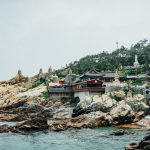
📷 Featured image by Håkon Grimstad on Unsplash.