On this page
- The Art of Traditional Making: Workshop Options for Every Skill Level
- Bibimbap Beyond the Bowl: Guided Food Tours and Cooking Classes
- Navigating the Village: Layout, Timing, and Crowd-Beating Strategies
- Hanok Stays: Sleeping Among the Traditional Houses
- Day Trip or Overnight: Planning Your Jeonju Experience
- Budget Breakdown: What Workshops and Tours Actually Cost in 2026
- Frequently Asked Questions
💰 Click here to see Korea Budget Breakdown
💰 Prices updated: 2026-10-01. Budget figures are estimates — always verify before travel.
Exchange Rate: $1 USD = 1,356 KRW
Daily Budget (per person) • Pricing updated as of 2026-10-01
Daily Budget
Shoestring: 60,000 KRW - 95,000 KRW ($44.25 – $70.06)
Mid-range: 130,000 KRW - 250,000 KRW ($95.87 – $184.37)
Comfortable: 350,000 KRW - 550,000 KRW ($258.11 – $405.60)
Accommodation (per night)
Hostel/guesthouse: 25,000 KRW - 65,000 KRW ($18.44 – $47.94)
Mid-range hotel: 90,000 KRW - 165,000 KRW ($66.37 – $121.68)
Food (per meal)
Budget meal (street food): 9,000 KRW ($6.64)
Mid-range meal (restaurant): 22,000 KRW ($16.22)
Upscale meal: 65,000 KRW ($47.94)
Transport
Single subway/bus trip: 1,600 KRW ($1.18)
Climate Card (30-day unlimited): 67,000 KRW ($49.41)
Jeonju’s traditional hanok village has exploded in popularity since 2024, with craft workshops now booking solid weeks in advance and bibimbap tours requiring reservations months ahead. The challenge isn’t finding activities—it’s choosing between dozens of options and securing spots without Getting trapped in tourist traps charging triple the fair price.
The Art of Traditional Making: Workshop Options for Every Skill Level
Jeonju Hanok Village houses over 40 craft workshops tucked inside restored traditional buildings, each offering hands-on experiences that range from 30-minute samplers to half-day intensive courses. The village’s workshop scene has professionalized significantly since 2024, with most artisans now offering structured programs rather than casual drop-ins.
Traditional paper-making (hanji) workshops operate from three main studios along Eunhaeng-ro. Jeonju Hanji Museum runs beginner sessions where you’ll feel the pulp squishing between your fingers as you create custom-colored sheets. The process takes about 90 minutes, including drying time spent exploring their permanent exhibition. Advanced workshops let you craft actual notebooks or decorative boxes.
Fan painting classes happen in restored courtyards where you can hear the gentle scrape of brushes on silk and smell the mineral scent of traditional pigments. Master craftsmen demonstrate the precise wrist movements needed for Korean folk art designs. Most workshops provide pre-sketched fans for beginners, but intermediate sessions start with blank canvases.
Pottery workshops have expanded into three categories since 2025. Basic wheel throwing happens in studios with gas-fired kilns—your pieces get fired and shipped within two weeks. Glazing workshops let you decorate pre-made pieces with traditional Korean patterns. Advanced courses teach onggi (traditional Korean pottery) techniques using local Jeonju clay.
Traditional bookbinding attracts writers and journal enthusiasts. You’ll work with awls and hemp thread to create notebooks using centuries-old Korean binding methods. The workshops smell faintly of leather and wood glue, with natural light filtering through paper-covered windows creating perfect working conditions.

Bibimbap Beyond the Bowl: Guided Food Tours and Cooking Classes
Jeonju’s bibimbap scene has evolved far beyond basic restaurant visits. Professional food tours now include market walks, ingredient sourcing, and hands-on preparation alongside restaurant visits. The city’s food tour operators restructured their offerings in 2025 to focus more on the stories behind ingredients rather than just eating.
Jeonju Jungang Market tours start at 10 AM when vendors arrange their freshest produce. You’ll learn to identify the specific vegetables that make Jeonju bibimbap distinct—kongnamul (mung bean sprouts) grown in local wells, gosari (fernbrake) from nearby mountains, and doraji (bellflower root) prepared using regional techniques. The market’s narrow alleys carry the sounds of vendors calling prices and the sizzle of pajeon cooking on portable griddles.
Cooking classes happen in purpose-built kitchens inside converted hanok buildings. Three operators run comprehensive programs: Jeonju Bibimbap School offers 3-hour classes covering five types of bibimbap, O’bok Hanok provides family-style classes including kimchi-making, and Traditional Kitchen Workshop focuses on temple-style vegetarian versions.
The cooking process reveals bibimbap’s complexity. Each vegetable requires different preparation—spinach gets blanched then seasoned, carrots julienned and lightly pickled, mushrooms sautéed with specific timing. You’ll smell sesame oil heating in the pan and feel the rhythm of proper seasoning techniques passed down through generations.
Restaurant tours hit both famous establishments and hidden neighborhood spots. Veteran guides know which restaurants prepare vegetables fresh versus pre-made batches, and can arrange tastings of regional specialties like Jeonju-style sundae (blood sausage) and kongnamul gukbap (bean sprout soup).
Evening food walks combine street snacks with formal dining. You’ll taste hotteok (sweet pancakes) from street vendors while learning about Jeonju’s position as Korea’s culinary capital. The tours wrap up at traditional tea houses where you can sample local makgeolli paired with dried persimmons or traditional cookies.

Navigating the Village: Layout, Timing, and Crowd-Beating Strategies
Jeonju Hanok Village spans roughly 10 blocks with over 800 traditional buildings, but the main tourist zone concentrates along five key streets. Understanding the layout prevents wasted time and helps you move efficiently between workshops and restaurants without fighting crowds.
The village divides into three zones. The cultural zone (northern section) houses museums, major craft workshops, and traditional tea houses. The commercial zone (central area) contains restaurants, souvenir shops, and hanbok rental stores. The residential zone (southern section) features actual hanok stays and quieter craft studios.
Peak congestion happens from 11 AM to 4 PM on weekends, when domestic tour groups arrive by bus. The narrow alleys become nearly impassable, with visitors stopping constantly for photos. Early morning visits (before 9 AM) offer peaceful exploration, while evening hours after 6 PM provide atmospheric lighting without daytime crowds.
The village’s main entrance connects to a large parking area that fills completely by noon on weekends. Alternative access points include the east gate near Omokdae pavilion and the south entrance near the traditional wine museum. These secondary entrances often have shorter wait times for popular activities.
Workshop locations matter for planning. Paper-making and bookbinding studios cluster near the cultural center, while pottery workshops spread throughout the residential area. Food tour meeting points typically gather at the main entrance plaza, but private cooking classes often start at specific hanok addresses that require GPS navigation.
Weather significantly affects the village experience. Summer brings intense humidity that makes outdoor workshops uncomfortable, while winter temperatures can make pottery work challenging in unheated studios. Spring and fall offer ideal conditions, but also attract the largest crowds.
Hanok Stays: Sleeping Among the Traditional Houses
Staying overnight in Jeonju Hanok Village transforms your visit from tourist excursion to cultural immersion. The village now hosts over 30 hanok guesthouses ranging from budget dormitories to luxury traditional suites, with most properties upgraded their heating and bathroom facilities since 2024.

Traditional ondol (underfloor heating) creates a unique sleeping experience. You’ll sleep on thin mattresses placed directly on heated floors, with the gentle warmth rising through traditional hanji flooring. The experience includes hearing morning sounds—roosters from nearby properties, the soft brushing of courtyard cleaning, and early vendors preparing for the day.
Authentic hanok stays preserve traditional architecture while adding modern necessities. Bathrooms typically feature contemporary fixtures installed discretely, while rooms maintain paper screen doors, wooden beam ceilings, and courtyard views. WiFi and air conditioning became standard by 2025, though some purist establishments still operate without modern climate control.
Luxury hanok options include Rakkojae Jeonju, which offers private courtyards and traditional breakfast service. Gyo Dong Dawon provides tea ceremony experiences included with overnight stays. These properties typically cost 180,000-250,000 KRW ($135-185 USD) per night.
Budget hanok guesthouses offer dormitory-style accommodation starting around 35,000 KRW ($26 USD) per person. Hanok24 Guesthouse and Jeonju Hanok Village Guesthouse provide clean facilities with shared bathrooms and common areas for meeting other travelers.
Mid-range properties like Hanok Hotel Jeonju and Traditional House offer private rooms with ensuite bathrooms for 80,000-120,000 KRW ($60-90 USD). These properties balance traditional aesthetics with practical comfort, including proper beds rather than floor mattresses.
Booking timing matters significantly. Peak seasons (spring cherry blossoms, autumn colors) require reservations 2-3 months ahead. Many properties offer package deals including workshop vouchers or meal credits, though these often restrict your choice of activities to partner businesses.
Day Trip or Overnight: Planning Your Jeonju Experience
Jeonju works well as either a day trip from Seoul or multi-day cultural deep dive, depending on your interests and schedule. The 2025 opening of improved KTX connections makes day trips more feasible, while expanded workshop offerings reward longer stays.

Day trip logistics require early departure from Seoul. The KTX takes 1 hour 45 minutes to Jeonju Station, with first trains departing Seoul at 6 AM. Return trains run until 9 PM, giving you roughly 10 hours in the village. This timeframe allows for one major workshop, a food tour, and general exploration, but feels rushed for multiple activities.
Single-day visitors should prioritize either workshops or food experiences rather than attempting both. A pottery workshop plus village exploration creates a satisfying day, as does a comprehensive food tour with market visits and cooking class. Trying to squeeze in multiple workshops leads to surface-level experiences.
Overnight stays unlock Jeonju’s full potential. Two days allows for morning workshops, afternoon food tours, evening hanok dining, and next-day exploration of surrounding attractions like Gyeonggijeon Shrine or Nambu Traditional Market. You can also participate in evening programs like traditional music performances or nighttime photography walks.
Three-day stays appeal to serious culture enthusiasts. This timeframe supports multiple workshops, comprehensive food exploration, day trips to nearby Maisan Provincial Park, and relaxed enjoyment of hanok hospitality. Many visitors find this length ideal for truly absorbing traditional Korean culture rather than just sampling it.
Weekend trips from Seoul work best with Friday afternoon departure and Sunday evening return. This avoids Saturday morning travel crowds and provides two full days for activities. However, workshop availability decreases on weekends due to higher demand from domestic tourists.
Budget Breakdown: What Workshops and Tours Actually Cost in 2026
Jeonju’s workshop and tour pricing varies dramatically based on quality, duration, and group size. Budget-conscious travelers can experience traditional crafts and food culture for under 100,000 KRW ($75 USD) per day, while comprehensive luxury experiences cost 300,000+ KRW ($225+ USD).

Workshop pricing tiers:
Budget workshops (20,000-40,000 KRW / $15-30 USD): Basic fan painting, simple hanji crafts, pottery painting on pre-made pieces. These 60-90 minute sessions provide introduction to techniques without deep instruction. Group sizes typically 10-15 people.
Mid-range workshops (50,000-80,000 KRW / $37-60 USD): Pottery wheel throwing, traditional bookbinding, intermediate hanji projects. Sessions last 2-3 hours with personal instruction and take-home pieces. Limited to 6-8 participants.
Premium workshops (100,000-150,000 KRW / $75-110 USD): Master craftsman classes, advanced techniques, traditional tool usage. Half-day sessions with historical context and cultural significance explanation. Maximum 4-6 students.
Food experience costs:
Budget food tours (40,000-60,000 KRW / $30-45 USD): Group walking tours with 4-5 tasting stops, basic bibimbap restaurant visit, market walkthrough. Groups of 12-20 people, 3-4 hours total.
Premium food experiences (120,000-180,000 KRW / $90-135 USD): Private cooking classes, high-end restaurant visits, detailed ingredient education, traditional dining etiquette instruction. Small groups or private instruction, 5-6 hours.
Accommodation ranges:
- Hanok dormitories: 35,000-50,000 KRW ($26-37 USD) per person
- Private hanok rooms: 80,000-120,000 KRW ($60-90 USD) per night
- Luxury hanok suites: 180,000-300,000 KRW ($135-225 USD) per night
Additional costs to consider:
- Transportation from Seoul: 25,000-35,000 KRW ($19-26 USD) round-trip KTX
- Village parking: 5,000 KRW ($4 USD) per day
- Hanbok rental: 15,000-25,000 KRW ($11-19 USD) for 3 hours
- Museum entries: 3,000-5,000 KRW ($2-4 USD) each
- Traditional tea house visits: 8,000-15,000 KRW ($6-11 USD) per person
Total daily budgets range from 80,000 KRW ($60 USD) for basic experiences to 250,000+ KRW ($185+ USD) for comprehensive cultural immersion including premium workshops, fine dining, and luxury accommodation.
Frequently Asked Questions
Do I need to book workshops in advance?
Yes, especially for weekends and peak seasons. Popular workshops like pottery and cooking classes fill 1-2 weeks ahead. Weekday morning slots offer more availability, but booking 3-5 days ahead ensures your preferred activities.
Are workshops suitable for children?
Most workshops accept children over 8 years old with adult supervision. Fan painting and simple pottery work well for families. However, traditional bookbinding and advanced hanji crafts require fine motor skills better suited to teenagers and adults.

Can I join food tours with dietary restrictions?
Major tour operators accommodate vegetarian diets and common allergies with advance notice. However, traditional Korean cuisine relies heavily on fish sauce and fermented ingredients, making strict vegan or multiple-allergy accommodations challenging. Private tours offer more flexibility.
How much Korean language do I need for workshops?
Most workshops now offer English-speaking instructors or translated instruction sheets. Basic Korean phrases help with shopping and casual interactions, but aren’t required for structured activities. Food tours typically include bilingual guides.
Is Jeonju worth visiting if I’m already going to Seoul’s traditional districts?
Absolutely. Jeonju offers hands-on cultural experiences and authentic regional cuisine that Seoul’s tourist areas can’t match. The hanok village provides immersive traditional architecture, while Seoul’s districts focus more on shopping and dining. The workshop quality and food authenticity justify the trip.
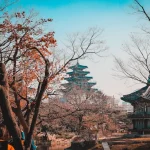
📷 Featured image by Maggie Yap on Unsplash.