On this page
- What Hwaseong Fortress Actually Is (and Why Most Visitors Underestimate It)
- Getting to Suwon from Seoul in 2026
- The Four Gates and the Wall Walk: What to Actually Do There
- Eating Near the Fortress: Suwon Galbi and Beyond
- Day Trip or Overnight?
- 2026 Budget Reality: Tickets, Food, and Transport
- Practical Tips Before You Go
- Frequently Asked Questions
💰 Click here to see Korea Budget Breakdown
💰 Prices updated: 2026-10-01. Budget figures are estimates — always verify before travel.
Exchange Rate: $1 USD = 1,356 KRW
Daily Budget (per person) • Pricing updated as of 2026-10-01
Daily Budget
Shoestring: 60,000 KRW - 95,000 KRW ($44.25 – $70.06)
Mid-range: 130,000 KRW - 250,000 KRW ($95.87 – $184.37)
Comfortable: 350,000 KRW - 550,000 KRW ($258.11 – $405.60)
Accommodation (per night)
Hostel/guesthouse: 25,000 KRW - 65,000 KRW ($18.44 – $47.94)
Mid-range hotel: 90,000 KRW - 165,000 KRW ($66.37 – $121.68)
Food (per meal)
Budget meal (street food): 9,000 KRW ($6.64)
Mid-range meal (restaurant): 22,000 KRW ($16.22)
Upscale meal: 65,000 KRW ($47.94)
Transport
Single subway/bus trip: 1,600 KRW ($1.18)
Climate Card (30-day unlimited): 67,000 KRW ($49.41)
What Hwaseong Fortress Actually Is (and Why Most Visitors Underestimate It)
Most people who visit Suwon treat Hwaseong Fortress as a quick photo stop — walk through one gate, take a picture, leave. That’s a shame, because this is a UNESCO World Heritage Site with 5.7 kilometres of intact fortress wall, four gates, four command posts, two beacon towers, and a functioning water gate that dates back to 1796. The whole structure was built in just two and a half years under King Jeongjo of the Joseon Dynasty, and it shows a level of military engineering that was genuinely ahead of its time. In 2026, with better English signage installed across the site and the Hwaseong Haenggung Palace fully renovated after its 2024–2025 restoration project, this is one of the most complete historical experiences you can have within an hour of Seoul.
Getting to Suwon from Seoul in 2026
Suwon is easy to reach, and your choice of transport depends on where you’re starting from and how much time you have.
By Subway (Line 1 or Bundang Line)
The most common route is Seoul Metro Line 1 from Seoul Station or City Hall to Suwon Station. The journey takes about 55–70 minutes depending on whether you catch an express or local train. From Suwon Station, take bus 11, 13, or 36 to the fortress — around 10–15 minutes. You can also use the Bundang Line from Suseo or Moran, which connects to Suwon Station without needing a transfer. All of this runs on your T-Money card. That familiar tap-and-beep at the subway gate covers the whole journey.
By GTX-A (New in 2025–2026)
The GTX-A line now runs from Suseo in southern Seoul to Suwon, cutting travel time dramatically compared to Line 1. From Suseo GTX-A station to Suwon GTX station takes around 20 minutes. This is the fastest option if you’re coming from the Gangnam or Jamsil area. Note that the GTX fare is higher than regular subway — expect around 4,200–4,500 KRW (~$3.10–$3.35 USD) one way, versus about 1,600–2,200 KRW (~$1.20–$1.63 USD) for Line 1.
By Korail (KTX or Mugunghwa)
If you’re arriving from Busan or another city, Suwon has a Korail station with regular train connections. Mugunghwa trains from Busan take roughly 2.5–3 hours.
The Four Gates and the Wall Walk: What to Actually Do There
Hwaseong has four main gates — Janganmun (north), Paldalmun (south), Changnyongmun (east), and Hwaseomun (west). Most visitors enter through Paldalmun because it’s the closest gate to Suwon Station, about 1 kilometre on foot. That’s a fine starting point, but don’t just photograph the gate and wander into Haenggung Palace. The wall walk is where this site earns its reputation.
The full perimeter circuit is 5.7 km and takes about two to three hours at a relaxed pace. You don’t have to do all of it — the most dramatic section is the ridge walk from Seojangdae (the western command post) up to Hwahongmun Water Gate in the northeast. The water gate is especially striking: seven stone arches spanning a stream, with the fortress wall rising above it. The sound of water moving through those arches while you stand on the walkway above is something that photographs don’t quite capture.
Seojangdae itself sits on the highest point of the ridge, and on a clear day the view stretches across Suwon city with the mountains behind it. Sunrise hikers and early morning visitors often have this spot nearly to themselves — the fortress opens at 9:00 AM, but the surrounding paths are accessible earlier.
Hwaseong Haenggung Palace
Inside the fortress walls, the Haenggung (temporary palace) is where King Jeongjo stayed during visits to Suwon. After the 2024–2025 restoration, it’s in its best condition in decades. Entry is separate from the fortress wall ticket. Traditional cultural performances happen here on weekends — the royal archery and guard-changing ceremony run at 11:00 AM and 2:00 PM on Saturdays and Sundays (check the Suwon City official website for 2026 seasonal schedules, as they adjust for weather).
Hwaseong Train and Observation Tower
A small tourist train runs between major stops inside and around the fortress for visitors who don’t want to do the full walk. It runs about every 30–40 minutes and costs 4,000 KRW (~$2.96 USD) for adults. There’s also a new observation tower near Yeonmudae (the northeast command post), added as part of Suwon’s 2025 tourism development push, which gives an aerial perspective of the wall’s full curve.
Eating Near the Fortress: Suwon Galbi and Beyond
Suwon has one of Korea’s most famous regional specialties: Suwon galbi. These are short ribs, but cut longer and thicker than Seoul-style galbi, marinated differently, and cooked over charcoal. The flavour is smokier and more intensely savoury. This is not a tourist gimmick — Suwon has been known for this dish since the 1940s, and the main galbi street (Yeongdong Galbi Golmok) runs just south of Paldalmun gate.
For a proper sit-down galbi lunch near the fortress, Sambu Galbi and Wangdo Galbi on the galbi street are long-established restaurants that locals also eat at. Budget around 18,000–22,000 KRW (~$13–$16 USD) per person for a solid meal with side dishes and rice.
If you want something lighter after the wall walk, the alleyways around Haenggung Palace have street food stalls selling hotteok (sweet stuffed pancakes), tteokbokki, and sundae. There’s also a small traditional market called Suwon Paldalmun Market immediately south of the gate where you can pick up snacks and dried goods. The smell of freshly made hotteok — that buttery, caramelised brown sugar filling — hits you before you even turn the corner.
Day Trip or Overnight?
For most visitors, Suwon is a well-managed day trip from Seoul. The fortress, palace, and a galbi lunch fit comfortably into five to six hours. Leave Seoul by 9:00 AM, arrive at Suwon by 10:00 AM, finish the main wall circuit by 1:00 PM, have lunch, and head back by 3:00–4:00 PM. You’ll feel like you used the day well without feeling rushed.
That said, staying overnight makes sense in a few situations. If you want to explore Suwon’s wider city — including Gwanggyo Lake Park (a large landscaped urban lake about 7 km from the fortress), the nearby Korean Folk Village in Yongin (30 minutes away by bus), or the Suwon World Cup Stadium area — an overnight stay gives you that flexibility. Budget hotels and guesthouses near Suwon Station start around 50,000–70,000 KRW (~$37–$52 USD) per night. The city also has a solid business hotel scene from the Samsung corporate cluster nearby, which means mid-range hotels are competitively priced.
2026 Budget Reality: Tickets, Food, and Transport
- Hwaseong Fortress wall entry: 1,000 KRW (~$0.74 USD) for adults — one of the cheapest heritage site admissions in Korea
- Hwaseong Haenggung Palace (separate ticket): 1,500 KRW (~$1.11 USD) for adults
- Tourist train: 4,000 KRW (~$2.96 USD) per ride
- Seoul to Suwon subway (Line 1): 1,600–2,200 KRW (~$1.20–$1.63 USD) one way
- Seoul to Suwon GTX-A: 4,200–4,500 KRW (~$3.10–$3.35 USD) one way
- Budget lunch (street food + snacks): 8,000–12,000 KRW (~$5.90–$8.90 USD)
- Mid-range lunch (galbi restaurant): 18,000–25,000 KRW (~$13–$18.50 USD) per person
- Budget hotel near Suwon Station: 50,000–70,000 KRW (~$37–$52 USD) per night
- Mid-range hotel: 90,000–140,000 KRW (~$67–$104 USD) per night
A realistic total for a day trip including transport, entry tickets, and a sit-down galbi lunch is around 35,000–45,000 KRW (~$26–$33 USD) per person from Seoul.
Practical Tips Before You Go
The fortress is open daily from 9:00 AM. Last entry for the wall is typically 6:00 PM in summer and 5:00 PM in winter, with the site closing an hour after last entry. The Haenggung Palace closes slightly earlier — confirm current hours on the Suwon Cultural Foundation website before your visit, as 2026 seasonal schedules can shift.
Wear shoes with grip. The ridge sections of the wall walk involve uneven stone steps that get slippery after rain. The western ridge near Seojangdae is particularly steep on the descent.
English signage on the fortress has improved substantially since 2024, with QR code panels now installed at all major structures linking to audio guides in English, Chinese, and Japanese. You don’t need a hired guide to understand what you’re seeing.
The fortress gets busy on autumn weekends (late September through November) when the foliage turns. If you’re visiting during that window, arriving at 9:00 AM sharp is worth it — the crowds at the gates and Seojangdae ridge build noticeably after 11:00 AM.
K-ETA (Korea Electronic Travel Authorization) rules apply to most non-Korean passport holders entering Korea. As of 2026, visitors from most Western countries still need to register online before arrival. Check the official Korean immigration portal before your trip — rules updated in early 2025 and some nationalities moved to visa-exempt status without K-ETA, while others still require it.
Frequently Asked Questions
How long should I spend at Hwaseong Fortress?
Plan for three to four hours minimum to walk a meaningful portion of the wall and visit Haenggung Palace. The full 5.7 km perimeter walk takes two to three hours on its own. Add time for lunch and you’re looking at a five to six hour outing from the moment you arrive in Suwon.
Is Hwaseong Fortress worth visiting in winter?
Yes, but prepare for cold and wind on the ridge sections — temperatures in Suwon can drop to -8°C to -12°C in January. The fortress is less crowded in winter, and snow on the battlements is genuinely striking. The tourist train still runs on weekends, but some outdoor performances may be suspended until spring.
Can I visit Hwaseong Fortress and Korean Folk Village on the same day?
It’s possible but rushed. Korean Folk Village in Yongin is about 30 minutes by bus from Suwon Station. If you prioritise one main site at each location rather than doing both fully, you can manage it. Most people find a full day at just the fortress more satisfying than splitting attention between two sites.
Do I need to book tickets to Hwaseong Fortress in advance?
No advance booking is required for general wall entry — you pay at the gate. The weekend cultural performances at Haenggung Palace are free to watch and do not require reservations. Only special seasonal events (like the October Hwaseong Cultural Festival) may require tickets, and those are announced on the Suwon City tourism website.
What is the best gate to enter Hwaseong Fortress from Suwon Station?
Paldalmun (south gate) is closest to Suwon Station and is the most convenient starting point. However, if you plan to do the ridge walk and want to finish near the palace and galbi street, starting at Changyongmun (east gate) and walking counterclockwise to Seojangdae and back down makes for a more logical route.
Explore more
The Best Seafood in Sokcho: A Coastal Culinary Adventure
Conquering Seoraksan National Park: A Hiker’s Guide from Sokcho
Your Perfect 3-Day Sokcho Itinerary: Mountains, Beaches & Seafood
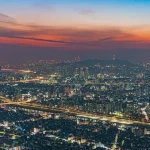
📷 Featured image by Mike Swigunski on Unsplash.