On this page
- What to Know Before You Arrive in 2026
- 2026 What’s New at Gamcheon
- The Lay of the Land — How the Village Is Actually Structured
- The Stamp Map Trail — Your Best Tool for Navigating the Art
- Where to Eat and Drink Inside the Village
- The Best Times to Visit (and When to Avoid)
- 2026 Budget Reality — What It Actually Costs
- Getting There from Anywhere in Busan
- Day-Trip Pairing — What to Combine with Gamcheon
- Practical Tips Before You Go
- Frequently Asked Questions
💰 Click here to see Korea Budget Breakdown
💰 Prices updated: 2026-10-01. Budget figures are estimates — always verify before travel.
Exchange Rate: $1 USD = 1,356 KRW
Daily Budget (per person) • Pricing updated as of 2026-10-01
Daily Budget
Shoestring: 60,000 KRW - 95,000 KRW ($44.25 – $70.06)
Mid-range: 130,000 KRW - 250,000 KRW ($95.87 – $184.37)
Comfortable: 350,000 KRW - 550,000 KRW ($258.11 – $405.60)
Accommodation (per night)
Hostel/guesthouse: 25,000 KRW - 65,000 KRW ($18.44 – $47.94)
Mid-range hotel: 90,000 KRW - 165,000 KRW ($66.37 – $121.68)
Food (per meal)
Budget meal (street food): 9,000 KRW ($6.64)
Mid-range meal (restaurant): 22,000 KRW ($16.22)
Upscale meal: 65,000 KRW ($47.94)
Transport
Single subway/bus trip: 1,600 KRW ($1.18)
Climate Card (30-day unlimited): 67,000 KRW ($49.41)
What to Know Before You Arrive in 2026
Gamcheon Culture Village sits on a steep hillside in southwestern Busan, and in 2026 it remains one of the most visually striking neighborhoods in South Korea. The problem most visitors hit this year is not finding it — it is arriving without understanding how the new crowd management system works. Since late 2025, Busan Metropolitan City has enforced a soft timed-entry recommendation for peak weekend hours, and the main Culture Village ticket office now sells limited morning slots for guided experiences that sell out by Thursday each week. Walk-in visits are still free and always will be, but if you want the organized stamp trail kit or access to certain rooftop viewing spots, timing genuinely matters. This guide gives you the full picture.
2026 What’s New at Gamcheon
The village has changed more in the past eighteen months than in the previous five years combined. Here is what is actually different in 2026.
- Timed rooftop access: Three private rooftops along the upper ridge — including the famous Taegukdo alley overlook — now require a free time-slot reservation made through the Gamcheon Village official app or the Busan Tourism Organization website. Slots open every Monday for the following weekend.
- New murals in the lower district: The 2025–2026 Gamcheon Art Renewal Project added fourteen new large-scale murals commissioned from Korean and international artists. The most talked-about is a trompe-l’œil staircase by illustrator Jang Sooyeon that covers an entire gable wall near the Haedoji Fish Sculpture.
- Accessible path upgrade: A new paved accessible route now connects the main entrance to the central plaza and the Bok-soon Halmeoni café strip. Visitors using wheelchairs or strollers can now reach about 40 percent of the key installations without stairs.
- K-ETA for short-stay visitors: K-ETA rules updated in January 2026 now allow most eligible nationalities to use a single K-ETA approval for multiple entries within one year. If you are visiting Busan as part of a multi-city Korea trip, check whether your approval is still valid before you book flights.
- Kakao T and Naver Maps accuracy: Both apps updated their Gamcheon pedestrian routing in early 2026. Google Maps still struggles with the village’s narrow alleys, so switch to Naver Maps once you are inside the neighborhood.
The Lay of the Land — How the Village Is Actually Structured
First-time visitors almost always get disoriented within ten minutes of arriving because Gamcheon does not work like a normal neighborhood. It is built on an extremely steep hillside — the gradient in some sections exceeds 30 degrees — and the houses were constructed in tight, overlapping layers during the Korean War era when tens of thousands of refugees settled here. The visual result is that iconic staircase-of-colored-boxes look you have seen in every travel photo. The reality of navigating it is more complicated.

Think of Gamcheon in three horizontal bands:
- Lower entrance zone: This is where the main ticket and information office sits, along with most of the souvenir shops and the highest foot traffic. The alleys here are relatively wide. This is also where the accessible path begins.
- Central art district: A maze of lanes roughly in the middle elevation. This is where the majority of the stamp checkpoints, murals, and small galleries are concentrated. The Little Prince statue — still one of the most photographed spots in Busan — sits in an open courtyard here.
- Upper residential ridge: The top section is quieter and more authentically residential. Actual Gamcheon families live here. You will pass laundry lines, small vegetable pots on doorsteps, and occasionally an elderly resident moving slowly down an alley. The views from the top looking out over Busan harbor are the best in the whole village, and this section is almost always less crowded than the lower two-thirds.
The alleys connect these bands through a network of staircases, some only wide enough for one person. Many are not labeled. This is exactly why the stamp map trail matters.
The Stamp Map Trail — Your Best Tool for Navigating the Art
The stamp trail is not just a souvenir gimmick. It is the most practical navigation system the village has. For 2,000 KRW (about $1.50 USD) at the main information office, you get a folded paper map with twelve checkpoint stamps scattered across all three elevation bands. Each stamp station marks a key artwork or viewpoint, and the numbered sequence is designed to walk you through the village in an efficient loop — up one side, across the ridge, and back down a different set of alleys.
If you skip the map and just wander, you will likely cover the same lower section twice and miss the upper ridge entirely. The map forces you upward, which is actually where the best light and the least-crowded photos are.
Stamp checkpoints are unstaffed — you press the rubber stamp into your map yourself. They are usually mounted on small wooden posts or attached to wall frames. In 2026, checkpoints 4, 8, and 11 are at the three rooftop locations that require the free time-slot reservation mentioned above. If you did not reserve in advance, you can still see the murals immediately surrounding those checkpoints; you just cannot access the elevated viewing platform.
Complete the full twelve-stamp circuit and you get a small printed certificate at the exit desk. It is genuinely charming rather than cheesy, and it takes about two to two-and-a-half hours to complete the loop at a comfortable pace.
Where to Eat and Drink Inside the Village
The food situation at Gamcheon is better than it used to be, but you still need to know where to look. Most of the obvious-looking cafés near the main entrance are tourist-trap operations — overpriced, mediocre, and designed to move people through fast.
Bok-soon Haesik
This small restaurant near the central plaza has been run by the same family since before the village became a tourist destination. They serve a simple fixed lunch of doenjang jjigae, rice, and banchan for 8,000 KRW (about $5.90). It seats about twelve people, opens at noon, and regularly has a queue by 12:15. Worth the wait.
Café Gamcheon Sky
Positioned in the upper residential ridge near stamp checkpoint 10, this small café has a terrace with an unobstructed view of the harbor. An Americano is 5,500 KRW ($4.10). The owner roasts the beans himself and will tell you about it at length if you ask — or even if you do not. The terrace only fits eight people, so you may need to wait for a seat.
Haedoji Snack Corner
A permanent street stall near the famous fish sculpture in the central art district. They sell hotteok (sweet pancakes filled with brown sugar and nuts) for 1,500 KRW ($1.10) each. In cooler months, the smell of the batter hitting the hot oil drifts down the alley before you even see the stall. Simple, but exactly right for a walk-through snack.
After the Village
Gamcheon’s food selection is limited. If you want a proper meal, plan to eat either before you arrive or after you leave at Toseong-dong market, about a ten-minute walk from the village’s lower exit. The market strip along Gamcheon-ro has everything from gukbap to grilled fish to cold noodles at genuinely local prices.

The Best Times to Visit (and When to Avoid)
The honest answer is that Gamcheon is never going to be empty on a weekend between March and November. The village attracts roughly 1.5 million visitors annually, and a significant percentage of them show up on Saturday afternoons between 1:00 PM and 4:00 PM.
The best visiting windows in 2026:
- Weekday mornings, 9:00–11:30 AM: The village is genuinely quiet. You can photograph the murals without strangers walking through your frame. Cafés have seats. Alley navigation is easy. This is the correct answer if your schedule allows it.
- Late afternoon on weekdays, 4:00–6:00 PM: The light in late afternoon falls directly across the painted walls and produces the golden-hour effect you have seen in travel photos. Crowds thin significantly after 4:00 PM on weekdays.
- Winter months (December–February): Visitor numbers drop sharply. The village is cold — Busan winters average around 5–8°C in January — but the reduced crowds make for a completely different and much calmer experience. Several small galleries that stay shuttered in peak season due to overflow actually open properly in winter.
Avoid Saturday and Sunday between 1:00 PM and 4:00 PM, any day during Chuseok or Seollal holiday periods, and the last two weekends of October when autumn foliage tourism peaks across all of Busan.
2026 Budget Reality — What It Actually Costs
Gamcheon itself has no entrance fee, and that is unlikely to change. The costs add up in other ways.
Budget Tier (under 15,000 KRW / ~$11 USD per person)
- Stamp map: 2,000 KRW ($1.50)
- Hotteok snack: 1,500 KRW ($1.10)
- Bus fare from Busan Station: 1,500 KRW ($1.10) each way with T-Money
- Total for a half-day including transport: roughly 7,000–10,000 KRW ($5.20–$7.40)
Mid-Range Tier (15,000–40,000 KRW / ~$11–$30 USD per person)
- Stamp map + lunch at Bok-soon Haesik + coffee at Gamcheon Sky + bus fare: approximately 20,000–25,000 KRW ($14.80–$18.50)
- Add a small souvenir print from one of the village galleries: 8,000–15,000 KRW ($5.90–$11.10)
Comfortable Tier (40,000+ KRW / $30+ USD per person)
- Taxi from central Busan (Seomyeon or Nampo-dong): 12,000–18,000 KRW ($8.90–$13.30) each way
- Guided private tour with an English-speaking local guide: 35,000–55,000 KRW ($25.90–$40.70) per person for a two-hour session
- Premium pottery or art workshop inside the village: 25,000–40,000 KRW ($18.50–$29.60) — book via the Busan Tourism Organization site, not third-party platforms, for the most current availability

One budget note: the T-Money card remains the easiest way to pay for bus and subway fares across Busan in 2026. You can top it up at any convenience store. A single bus journey with T-Money costs 1,500 KRW. Without a transit card, cash fares run 100–200 KRW higher and require exact change.
Getting There from Anywhere in Busan
Gamcheon is in Saha-gu, the southwestern district of Busan. It is not on a subway line, which surprises many visitors who expect Korean cities to have transit solutions everywhere.
From Busan Station (KTX arrival)
Take Busan Metro Line 1 (orange) four stops south to Toseong Station, exit 2. From there, catch Busan city bus 2 or bus 2-2 directly to the Gamcheon Culture Village stop. Total journey time is about 35–40 minutes. Cost: 1,500 KRW with T-Money.
From Nampo-dong (BIFF Square area)
Bus 2 or 2-2 departs from a stop on Jagalchi-ro and reaches Gamcheon in about 20 minutes. This is the most convenient route if you are spending time at Jagalchi market before or after.
From Haeundae or Centum City
No single direct bus. Take Metro Line 2 west to Seomyeon, transfer to Line 1 south to Toseong, then catch bus 2 or 2-2. Allow 55–70 minutes total. A taxi from Haeundae runs 22,000–28,000 KRW ($16.30–$20.70) depending on traffic.
Taxi and Kakao T
Kakao T works well for booking taxis across Busan in 2026. Tell the driver “감천문화마을” (Gamcheon Munhwa Maeul) and confirm they will take you to the main information office entrance, not the lower road turnoff, which leaves you with an unpleasant uphill walk.
Day-Trip Pairing — What to Combine with Gamcheon
Gamcheon takes two to three hours at a relaxed pace. That leaves most of a day free, and the neighborhood sits close to several very different Busan attractions.
Jagalchi Fish Market (20 minutes by bus)
Korea’s largest seafood market is a natural pairing — visually and experientially the opposite of Gamcheon’s artistic stillness. The indoor market hall is at its most active between 9:00 AM and noon. Do Gamcheon in the morning, Jagalchi at lunch, and you have covered two of Busan’s most distinctive experiences in one day.
Songdo Beach and Skywalk (15 minutes by bus)
Songdo is Busan’s oldest beach and has been substantially redeveloped. The cable car over Songdo Bay and the coastal skywalk are popular with Korean domestic tourists but relatively unknown among international visitors. Combine with Gamcheon for an afternoon finish.
Amnam Park (25 minutes by bus)
A forested coastal park on the southwestern tip of Busan with ocean views and walking trails. Uncrowded on weekdays. Good for visitors who want quiet after the sensory density of Gamcheon.

Practical Tips Before You Go
- Wear shoes you can navigate stairs in. The alleys involve a lot of uneven stone steps. Sandals, dress shoes, or anything without grip will make you miserable.
- Bring cash for the stamp map and small purchases. Some of the smaller village stalls and galleries do not accept card payment in 2026. 20,000 KRW in small bills is enough.
- Charge your phone before you arrive. The village’s Wi-Fi coverage is patchy in the upper residential band, and you will need your phone for Naver Maps navigation and the rooftop slot reservation system.
- Respect the residents. People actually live here. Some alleys run directly alongside private homes. Keep noise down, do not peer through windows, and do not sit on residential doorsteps for photos.
- The sun sets quickly behind the western hills. In winter months, the upper ridge loses direct sunlight by 4:30 PM. If you are visiting in December or January and want the harbor-view light, be at the top before 3:30 PM.
- Toilets are at the main entrance and at the central plaza. There are no facilities in the upper residential band. Use them before heading up.
Frequently Asked Questions
Is there an entrance fee for Gamcheon Culture Village in 2026?
No. The village is free to enter and always open for walking. The only paid items are the stamp map trail kit (2,000 KRW / ~$1.50), optional workshops, and guided tours. Some rooftop viewpoints now require a free advance reservation through the Busan Tourism Organization app, but access itself costs nothing.
How long should I plan to spend at Gamcheon?
A minimum of two hours is needed to see the main murals and complete part of the stamp trail. If you do the full twelve-stamp circuit at a comfortable pace, including stops for coffee and a snack, plan for two and a half to three hours. Visitors who stop for a workshop or guided tour should allow four hours total.
Is Gamcheon accessible for visitors with limited mobility?
Partially. A new paved accessible route added in 2025–2026 connects the main entrance to the central plaza and covers roughly 40 percent of the key sites without stairs. The upper residential ridge and several stamping checkpoints remain accessible only via steep staircases. The Busan Tourism Organization website has a current accessibility map available for download.

What is the best way to avoid the biggest crowds?
Visit on a weekday morning before 11:30 AM. If you can only visit on a weekend, arrive when the information office opens — currently 9:00 AM — and head directly to the upper ridge before the crowds build from 11:00 AM onward. The upper section stays quieter even when the lower entrance zone is packed.
Can I visit Gamcheon without being able to read Korean?
Yes, comfortably. The stamp map is available in English, Japanese, and Chinese. Most signage in the main art district has English translations. The rooftop reservation system on the Busan Tourism Organization website has a working English interface in 2026. Naver Maps provides English-language navigation inside the village alleys.
Explore more
Busan Clubs: Your Essential Guide to the City’s Top Dance Floors
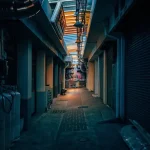
📷 Featured image by Ryoo Geon Uk on Unsplash.