💰 Click here to see Korea Budget Breakdown
💰 Prices updated: 2026-10-01. Budget figures are estimates — always verify before travel.
Exchange Rate: $1 USD = 1,356 KRW
Daily Budget (per person) • Pricing updated as of 2026-10-01
Daily Budget
Shoestring: 60,000 KRW - 95,000 KRW ($44.25 – $70.06)
Mid-range: 130,000 KRW - 250,000 KRW ($95.87 – $184.37)
Comfortable: 350,000 KRW - 550,000 KRW ($258.11 – $405.60)
Accommodation (per night)
Hostel/guesthouse: 25,000 KRW - 65,000 KRW ($18.44 – $47.94)
Mid-range hotel: 90,000 KRW - 165,000 KRW ($66.37 – $121.68)
Food (per meal)
Budget meal (street food): 9,000 KRW ($6.64)
Mid-range meal (restaurant): 22,000 KRW ($16.22)
Upscale meal: 65,000 KRW ($47.94)
Transport
Single subway/bus trip: 1,600 KRW ($1.18)
Climate Card (30-day unlimited): 67,000 KRW ($49.41)
Seoul in 2026 is busier and pricier than ever. Popular hotels sell out weeks ahead, and the same cafe streets fill with the same crowds. Meanwhile, much of what makes Korea special sits two or three hours away by train: thousand-year-old tombs, mountain temples, and fishing harbours where lunch is still cheap. Here are seven places that reward the trip.
Why Look Beyond Seoul in 2026
Since 2024, regional Korea has become much easier for foreign visitors. Korail and the SRT have improved their English booking apps, and KTX-Eum trains now reach corners of the east and the inland north that once needed a slow bus. Naver Map and Kakao Map remain the most reliable navigation tools. Google Maps has improved but still struggles with walking and driving directions. Local governments in Jeonju, Gangneung, and Yeosu also run English-friendly tourist information desks. You no longer need a tour group to go regional.
The 7 Places Worth Your Time
1. Gyeongju: The Open-Air History Museum
Gyeongju was the capital of the Silla Kingdom for almost a thousand years. Grassy royal tombs rise between streets in the Daereungwon area, and Bulguksa Temple sits on a forested hillside. Walk the Hwangnidan-gil lanes at dusk, when the hanok-style cafes glow. Try ssambap (rice with leaf wraps and many side dishes) near Hwangnam-dong and buy a box of warm Hwangnam-ppang, a red-bean pastry. The KTX stops at Singyeongju Station, about 20 km from the centre, so plan a local bus transfer.
2. Jeonju: Korea’s Food Capital
Jeonju is where Korean cooking is taken most seriously. The Hanok Village holds more than 700 traditional houses, but the real draw is the food. Order bibimbap served in brass bowls, then visit Nambu Market’s night stalls for skewers and makgeolli (milky rice wine). Veteran Kalguksu is a long-running local favourite for noodle soup. The KTX from Yongsan takes under two hours.
3. Gangneung: Beach, Coffee, and Tofu
Gangneung is the easiest east-coast escape. The KTX from Seoul takes about two hours, and the sea is minutes from the station by taxi. Anmok Beach has a famous coffee street, where you can sip a latte while the waves crash right below. For lunch, head to Chodang Sundubu Village for soft tofu stew made with local seawater. Gyeongpo Beach is lovely at sunrise.
4. Sokcho and Seoraksan: Mountains Meet the Sea
Seoraksan National Park has the most dramatic scenery in Korea: granite peaks, waterfalls, and the Ulsanbawi rock trail. A cable car goes up to Gwongeumseong Fortress for easier views. In Sokcho town, eat dakgangjeong (sweet crunchy chicken) at Jungang Market and try Abai Village’s squid sundae, a stuffed squid sausage. Buses from Seoul Express Bus Terminal take roughly 2.5 to 3 hours.

5. Yeosu: The Night-Sea City
Yeosu is built around a sparkling harbour. Come after dark, when the Dolsan Bridge lights up and the Nangman Pocha street fills with seafood tents. The local speciality is gejang baekban, soy-marinated raw crab served with rice. Take the sea cable car for views over the bay. The KTX from Yongsan takes around three hours.
6. Andong: Confucian Korea, Still Alive
Andong feels like a quiet Korea untouched by K-pop. Hahoe Folk Village, a UNESCO site, sits in a bend of the Nakdong River, with thatched roofs and families who still live inside. Back in town, Andong’s Jjimdak Alley serves braised chicken with glass noodles and a sweet-salty soy sauce. Andong soju, a stronger traditional spirit, is also worth tasting. KTX-Eum takes about 2.5 hours from Seoul.
7. Tongyeong: Art, Islands, and Fresh Seafood
Tongyeong is called the “Naples of Korea” for its harbour and artistic streak. Ride the Mireuk Mountain cable car, wander Dongpirang’s colourful murals, and eat chungmu gimbap (thin rice rolls with spicy squid and radish) at the waterfront. Oysters here are famous in winter. Direct buses from Seoul take around four hours, so it suits travellers already heading south.
Getting There and Getting Around
For Gyeongju, Jeonju, Yeosu, Gangneung, and Andong, trains are the fastest option. Book on the Korail Talk app or at Seoul Station and Yongsan Station. The SRT from Suseo Station serves parts of the south. For Sokcho and Tongyeong, intercity buses are more direct. Tap your T-Money card on the reader as you board, and listen for the quick double beep that confirms payment. In most smaller cities, buses are cheap and frequent, but taxis are plentiful and a short ride rarely costs over 8,000 KRW (about $6). Seoraksan has its own shuttle from Sokcho. Check your passport’s K-ETA status before departure, as entry rules have been adjusted several times since 2024.

Day Trip or Overnight?
- Gangneung: A strong day trip, but one night lets you see sunrise at the beach.
- Jeonju: Day trip works, but overnight in a hanok is the real experience.
- Gyeongju: Stay overnight. The tombs and old streets look best after dark.
- Sokcho and Seoraksan: Two nights. One for the mountain, one for the town and sea.
- Yeosu: Overnight is essential, since the main attraction is the night view.
- Andong: Overnight if you want Hahoe at quiet hours, otherwise a long day trip.
- Tongyeong: One or two nights, especially if you add an island visit.
2026 Budget Reality
Regional Korea costs noticeably less than Seoul, especially for food and rooms. These are typical daily costs per person, excluding long-distance transport (about 1,350 KRW = 1 USD).
- Budget: 70,000–100,000 KRW ($52–74). Guesthouse or motel room (35,000–60,000 KRW, $26–44), market meals, local buses.
- Mid-range: 150,000–250,000 KRW ($111–185). Business hotel or basic hanok (100,000–180,000 KRW, $74–133), sit-down restaurants, some taxis.
- Comfortable: 350,000+ KRW ($259+). Premium hanok or resort, set-course dinners, private transport.
Typical train fares from Seoul: Jeonju about 30,000 KRW ($22), Gangneung about 28,000 KRW ($21), Gyeongju and Yeosu around 50,000 KRW ($37). Express buses to Sokcho are cheaper, roughly 20,000–25,000 KRW ($15–19). A bibimbap or jjimdak lunch usually runs 12,000–18,000 KRW ($9–13).
Practical Tips for Planning
Spring (April–May) and autumn (late September–early November) offer the best weather and scenery. Summer is humid, with heavy rain from late June, and Gangwon-do winters are bitterly cold. Pack light, since many smaller stations have stairs and few elevators. Use lockers at the train station if you arrive before check-in. Carry some cash for traditional markets and rural bus stops, though cards work nearly everywhere else. English menus are rare in Andong and Tongyeong, but Papago’s camera translation handles them well. Many restaurants close one weekday, so check Naver Map before you walk across town.
Frequently Asked Questions
What is the best city to visit in Korea besides Seoul?
Gyeongju suits first-timers who love history, Jeonju suits food lovers, and Gangneung suits anyone who wants beach and coffee within two hours of Seoul. Pick by interest, not fame. If you only have one extra day, Gangneung or Jeonju is the easiest to reach and enjoy.
Can I visit these cities without speaking Korean?
Yes. Train stations, major sights, and tourist hotels have English signs, and translation apps like Papago handle menus well. Small restaurants in Andong or Tongyeong may only offer Korean menus, but pointing, photos, and a translated phone screen work fine. Learning a few polite phrases also helps.

Is the KTX worth it compared with buses?
Usually yes for Gyeongju, Jeonju, Yeosu, and Andong, because trains are faster and more comfortable. Buses are cheaper and often better for Sokcho and Tongyeong, where rail options are limited. Compare both on Korail Talk or Naver before booking, and check travel times.
How many days should I plan for a trip beyond Seoul?
Plan 7 to 10 days for a loop of three regions, such as Seoul, Jeonju, Yeosu, and Gyeongju, then fly out from Busan. Add one extra night in any city where the evening is the highlight, since many sights look best at sunset and after dark.
When is the best time to visit regional Korea?
Spring (April–May) and autumn (late September–early November) bring mild weather and the best scenery, including cherry blossoms in Gyeongju and maple colours at Seoraksan. Summer is humid with rain from late June, and winter is cold, especially in Gangwon-do, but crowds are smaller.
Explore more
Is Suwon Worth a Day Trip? Exploring Korea’s UNESCO-Listed Fortress City
Suwon Day Trip from Seoul: History, Culture, and Authentic Korean Flavors
Suwon Hwaseong Fortress Guide: A UNESCO Gem Near Seoul Worth Visiting
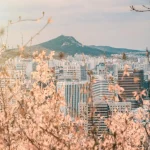
📷 Featured image by Ryoji Iwata on Unsplash.