On this page
- Why Gyeongju Feels Different from Other Korean Cities
- Getting to Gyeongju from Seoul and Busan
- Getting Around Once You Arrive
- Day 1: The Silla Heart of Downtown
- Day 2: Bulguksa, Seokguram, and the Museum
- Day 3: Namsan Hike or Yangdong Village
- Where to Eat in Gyeongju
- Day Trip or Overnight?
- Gyeongju Budget Reality in 2026
- Frequently Asked Questions
💰 Click here to see Korea Budget Breakdown
💰 Prices updated: 2026-11-01. Budget figures are estimates — always verify before travel.
Exchange Rate: $1 USD = 1,334 KRW
Daily Budget (per person) • Pricing updated as of 2026-11-01
Daily Budget
Shoestring: 70,000 KRW - 120,000 KRW ($52.47 – $89.96)
Mid-range: 180,000 KRW - 300,000 KRW ($134.93 – $224.89)
Comfortable: 270,000 KRW - 550,000 KRW ($202.40 – $412.29)
Accommodation (per night)
Hostel/guesthouse: 28,000 KRW - 65,000 KRW ($20.99 – $48.73)
Mid-range hotel: 90,000 KRW - 165,000 KRW ($67.47 – $123.69)
Food (per meal)
Budget meal (street food): 9,000 KRW ($6.75)
Mid-range meal (restaurant): 22,000 KRW ($16.49)
Upscale meal: 65,000 KRW ($48.73)
Transport
Single subway/bus trip: 1,600 KRW ($1.20)
Climate Card (30-day unlimited): 68,000 KRW ($50.97)
Most visitors give Gyeongju a rushed day trip from Seoul or Busan and leave feeling they saw only a few grass-covered hills. In 2026 the problem is worse. Gyeongju gained a lot of attention after hosting the APEC summit in late 2025, and weekends in spring and autumn are busy. The KTX also drops you at a station well outside the old town. With a plan, three days is the right amount of time. This guide shows you how to spend them.
Why Gyeongju Feels Different from Other Korean Cities
Gyeongju was the capital of the Silla Kingdom for nearly a thousand years, until 935 CE. Seoul and Busan are fast, tall, and full of neon. Gyeongju is low, green, and quiet. Local rules keep most buildings short, so the skyline is dominated by huge round burial mounds rather than towers. You walk past royal tombs on the way to a cafe.
Much of the city is a UNESCO World Heritage area. That means the history is not locked in a museum. It sits in parks, on hillsides, and along ordinary streets. The mood is slower than anywhere else on the main Korean tourist route.
Getting to Gyeongju from Seoul and Busan
From Seoul, the KTX from Seoul Station to Singyeongju Station takes about 2 hours 10 minutes to 2 hours 30 minutes. Expect to pay around 50,000 KRW (~$37) one way. Express buses from Seoul cost less but take about 4 hours.
From Busan, it is much easier. Trains and intercity buses take roughly 40 minutes to 1 hour, depending on the service and the station. This is why Busan travellers often visit Gyeongju as a day trip.
The catch is that Singyeongju Station is about 20 to 30 minutes from downtown. City buses and taxis wait outside. A taxi to the centre costs roughly 20,000 to 25,000 KRW (~$15 to $19). Using the bus is much cheaper. Many travellers prefer the older Gyeongju Station or the bus terminals, which are closer to the old town.
Getting Around Once You Arrive
The core sights downtown are walkable. Daereungwon, Cheomseongdae, Hwangnidan-gil, and Gyochon Hanok Village are all within about 15 to 25 minutes of each other on foot. For longer distances, you have three options:
- Bicycles and e-bikes: Flat roads make cycling easy. Shops near the station and the main tourist area rent bikes for about 5,000 to 10,000 KRW (~$4 to $7) per day. Rental prices vary by season and bike type.
- Local buses: They reach Bulguksa and Bomun Lake. Tap a T-Money or similar transit card on the reader. Each ride costs about 1,500 to 2,000 KRW (~$1 to $1.50). Buses to the temples can take around 40 minutes and run less often in the evening.
- Taxis: Good for evenings and for Namsan trailheads. Set up a Korean taxi app before you arrive, as foreign-language support is still limited.

For navigation, rely on Naver Map or KakaoMap. Google Maps still gives limited walking and bus information in Korea, so do not trust it for bus timing.
Day 1: The Silla Heart of Downtown
Start at Daereungwon Tumuli Park, where large grassy burial mounds rise above neat paths. Inside Cheonmachong, you can walk into a reconstructed tomb and see how Silla royals were buried. Entry is about 3,000 KRW (~$2.20).
Walk a few minutes to Cheomseongdae, one of the oldest surviving astronomical observatories in East Asia. It looks small in photos, but the stonework is precise in person. Nearby, the cafes and shops of Hwangnidan-gil fit into restored hanok buildings. This is the best street for an afternoon coffee and a walk.
Save Donggung Palace and Wolji Pond for the evening. After dark, the reconstructed pavilions glow and reflect on still water. The air smells of cut grass and warm pavement, and you hear only footsteps and the rustle of reeds. Entry is about 3,000 KRW (~$2.20), and it is worth going after sunset.
Day 2: Bulguksa, Seokguram, and the Museum
Go early. Bulguksa is the best-known temple in Korea, and tour groups arrive by mid-morning. The stone stairways and the twin pagodas, Dabotap and Seokgatap, are the highlights. Gravel crunches underfoot, and you may hear a monk’s wooden clapper from deeper in the complex. Entry is about 6,000 KRW (~$4.40).
From the Bulguksa area, continue to Seokguram Grotto, up the mountain. Inside is a granite Buddha carved in the 8th century. It is behind glass and photography is not allowed, but the calm in the room is hard to forget. The trip usually involves a shuttle bus or a hike. Check the current schedule locally.
In the afternoon, visit the Gyeongju National Museum. Admission to the main halls is usually free. Look for the golden crowns and the Emille Bell, which is tied to a famous Silla legend. The museum gives the context that makes the rest of your trip make sense.

Day 3: Namsan Hike or Yangdong Village
On the last day, choose between nature and village life.
Option A: Namsan Mountain
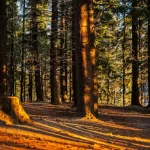
Namsan is an open-air museum of Buddhist carvings scattered across forest trails. You will find stone Buddhas beside the path, often in unmarked spots. Allow 3 to 5 hours, depending on the route. Wear proper shoes and bring water. Several trails start near the Samneung area, and local tourist offices can recommend one that matches your fitness level.
Option B: Yangdong Folk Village
Yangdong is a UNESCO-listed clan village about 30 to 40 minutes from the city by bus or taxi. It is quieter than Hahoe or Jeonju Hanok Village. The tiled-roof houses climb a gentle slope. Some homes are still lived in, so keep your voice low and respect the signs.
Where to Eat in Gyeongju
The famous local snack is Hwangnam-ppang, a small round pastry filled with sweet red bean paste. The shops near Hwangnidan-gil sell them warm. The smell of baked dough and sweet beans follows you down the street. A box of about five costs roughly 10,000 KRW (~$7).
For a proper meal, try ssambap. This is rice served with a large spread of side dishes and fresh leaves for wrapping. Restaurants cluster around the Gyo-dong and Hwangnam areas, and a set meal typically costs 15,000 to 20,000 KRW (~$11 to $15). Another local favourite is Chalbori-ppang, a soft bread made with barley.
If you like traditional drinks, look for Gyodong Beopju, a rice wine linked to the Gyochon area. Many cafes and small restaurants in the hanok quarter serve it.
Day Trip or Overnight?
A day trip works only if you start from Busan or arrive on an early KTX. You can see Daereungwon, Cheomseongdae, and Bulguksa, but you will miss Wolji at night, which is one of the best parts of Gyeongju.
From Seoul, stay at least one night. Two nights is better, and three nights lets you add Namsan or Yangdong without rushing. If you want to see Bulguksa before the crowds, sleeping in the city is the only way to do it.
Gyeongju Budget Reality in 2026
Prices below are approximate daily costs per person, using ~1,350 KRW = 1 USD.
- Budget: 60,000 to 90,000 KRW (~$45 to $67). A guesthouse or hostel bed, bakery snacks, a simple meal, bus rides, and entry fees.
- Mid-range: 150,000 to 250,000 KRW (~$110 to $185). A comfortable hotel or small hanok room, ssambap dinner, a bike rental, and cafes.
- Comfortable: 350,000 KRW and up (~$260+). A premium hanok stay or resort-style hotel, taxis, and sit-down meals.

Prices rise on weekends and during cherry blossom season in early April and autumn foliage in late October to mid-November. Book accommodation early for those dates.
Frequently Asked Questions
Is three days in Gyeongju enough?
Yes. Three days lets you see the tumuli parks, Bulguksa, Seokguram, the National Museum, and either Namsan or Yangdong Village at a relaxed pace. Two days works if you skip the hike. One day is possible but means missing the beautiful evening views at Wolji Pond.
How do I get from Seoul to Gyeongju?
Take the KTX from Seoul Station to Singyeongju Station, which takes about 2 hours 10 minutes to 2 hours 30 minutes. Then take a local bus or taxi into town. Express buses take about 4 hours but arrive closer to downtown. The KTX is faster and more comfortable for most travellers.
Do I need a car in Gyeongju?
No. The downtown sights are walkable or easy by bike, and buses reach Bulguksa and other major sites. A car helps only if you want to visit remote Namsan trailheads or villages on your own schedule. Taxis are affordable for short trips, and parking can be difficult during peak seasons.
When is the best time to visit Gyeongju?
Early April for cherry blossoms and late October to mid-November for autumn colours are the most beautiful, but also the busiest. Late spring and early autumn have comfortable temperatures and fewer crowds. Summer is hot and humid, while winter is quiet and cold, with cheaper rooms.
Can I visit Gyeongju as a day trip from Busan?
Yes. The journey takes about 40 minutes to 1 hour, so a day trip is easy. Focus on downtown, Bulguksa, and the museum. If you want to see Wolji Pond lit up at night and avoid a late return, stay one night instead.
Explore more
Your Ultimate Guide to South Korea’s Regional Gems Beyond the Capital
Lesser-Known Korea: Unforgettable Destinations Off the Beaten Path
Korea Beyond Seoul: The 10 Best Cities You Need to Visit Now
📷 Featured image by Jayanth Muppaneni on Unsplash.