On this page
- Aewol Coast: Ocean-View Cafes on the Northwest Shore
- Seogwipo and the South: Tea Fields and Garden Cafes
- East Jeju: Woljeong-ri, Seongsan and Udo
- Jeju City: Cafes You Can Reach Without a Car
- Planning Your Route: Timing, Light and Getting Around in 2026
- 2026 Budget Reality: What a Cafe-Hopping Day Costs
- Frequently Asked Questions
💰 Click here to see Korea Budget Breakdown
💰 Prices updated: 2026-10-01. Budget figures are estimates — always verify before travel.
Exchange Rate: $1 USD = 1,356 KRW
Daily Budget (per person) • Pricing updated as of 2026-10-01
Daily Budget
Shoestring: 60,000 KRW - 95,000 KRW ($44.25 – $70.06)
Mid-range: 130,000 KRW - 250,000 KRW ($95.87 – $184.37)
Comfortable: 350,000 KRW - 550,000 KRW ($258.11 – $405.60)
Accommodation (per night)
Hostel/guesthouse: 25,000 KRW - 65,000 KRW ($18.44 – $47.94)
Mid-range hotel: 90,000 KRW - 165,000 KRW ($66.37 – $121.68)
Food (per meal)
Budget meal (street food): 9,000 KRW ($6.64)
Mid-range meal (restaurant): 22,000 KRW ($16.22)
Upscale meal: 65,000 KRW ($47.94)
Transport
Single subway/bus trip: 1,600 KRW ($1.18)
Climate Card (30-day unlimited): 67,000 KRW ($49.41)
Jeju now has thousands of cafes, and in 2026 almost every one claims to be “the most photogenic on the island.” Many look better on Instagram than in person, and a lot of them sit 40 minutes apart on narrow roads. If you try to hit everything, you will spend more time in the car than with a coffee in your hand. This guide groups the best cafes by area so you can plan one good cafe day instead of five rushed ones.
Aewol Coast: Ocean-View Cafes on the Northwest Shore
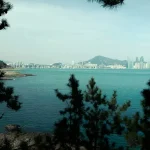
Aewol, about 25 minutes west of Jeju Airport, is where the island’s cafe boom began. The coastline here is dark volcanic rock, bright blue water and low white buildings, so even a casual phone photo looks good.
Cafe Delmoondo is a favourite for ocean views. Its large windows and terrace look straight onto the water, and the best seats near the glass fill up fast on weekends. Come on a weekday morning and you can usually get a table facing the sea.
Monsant is famous because of its owner, the K-pop star G-Dragon. The building has a clean, minimalist design, and the drinks are served in the same stylish way. It draws crowds, so plan your photos around the queue.
Layered is known for pastries stacked high and displayed beautifully, with the sea behind them. The smell of butter and fresh coffee hits you at the door. Order one pastry and one drink, then take your photos on the terrace before the food gets warm.
Between cafes, walk the coastal path near Aewol Handam. It takes about 20 minutes, and the sound of waves hitting the black rocks is a free break from the cafe interiors.
Seogwipo and the South: Tea Fields and Garden Cafes
The south of the island is greener and calmer. Cafes here lean on gardens and farmland rather than the sea.
Osulloc Tea Museum in the Seogwipo area is the best-known stop. Rows of green tea bushes roll away behind the building, and in summer the colour is almost too bright to look real. Inside, the tea shop and cafe serve green tea lattes, roll cakes and soft-serve ice cream. Entry to the museum is free, and the tea fields look best in the soft morning light.
Camellia Hill is a large garden with a cafe, and it is the better choice in winter. The camellia flowers bloom from late autumn into early spring, when most of the island looks grey. A cup of hot tea among red flowers is a very different photo from the usual blue-sea shot.

The south coast is also home to many small, independent cafes in renovated stone farmhouses. They are harder to find, but they are quiet and the owners often care a lot about the details. Search for them on Naver Map and look at recent photos, not just star ratings.
East Jeju: Woljeong-ri, Seongsan and Udo
The east is for people who want beach cafes with fewer tour buses.
Woljeong-ri in Gujwa is a beach village with a whole strip of cafes. The water is a pale turquoise, and many places have window seats or rooftop terraces facing it. You can walk between several cafes in one afternoon, which is rare on Jeju. The wind can be strong, so bring a light jacket even in summer.
Seongsan has cafes near Seongsan Ilchulbong, the huge volcanic crater on the coast. Pair a sunrise hike with a late breakfast in a cafe afterwards. The crater itself is the backdrop for a lot of the best photos in this area.
Udo is a small island a short ferry ride from Seongsan Port. It is famous for its peanut ice cream and peanut-flavoured drinks. The cafes here are casual and the beaches are light-coloured, which makes a nice change from the black rock on the main island. Leave at least half a day for the ferry and the walk around the island.
Jeju City: Cafes You Can Reach Without a Car
If you are staying in Jeju City and do not want to drive, you still have good options. The city has cafes in converted old houses, with exposed concrete, stone walls and plants. They are easier to reach by bus or taxi and are often less crowded than the famous coastal spots.
The seafront near Tapdong and the Yongduam Rock area has several cafes where you can watch planes land at the nearby airport and see fishing boats in the harbour. Around Dongmun Market, you can combine a cafe stop with street food. Try a hot hotteok from a market stall, then cool down with an iced coffee in a nearby cafe.
These cafes are a good plan for rainy days. Many interiors are designed to look good in any weather, with warm lighting and big windows.
Planning Your Route: Timing, Light and Getting Around in 2026
The biggest mistake visitors make is crossing the island more than once in a day. Pick one region and stay there. A good plan is two or three cafes in the morning and early afternoon, then a beach walk before golden hour.
Light matters more than the cafe. West-facing cafes in Aewol are best in the late afternoon, when the sun drops toward the sea. East-coast cafes are better in the morning, when the water is bright and the crowds are small. Most cafes open around 10:00 or 11:00, so arriving at opening time gives you clear tables and empty backgrounds.
For transport, a rental car is still the easiest way to reach the coastal and garden cafes. Foreign visitors need a valid international driving permit, and electric rental cars are widely available in 2026, with chargers at many cafes and attractions. Without a car, Jeju’s local buses reach Aewol, Seongsan and Seogwipo, but they run less often, so check timetables in Naver Map. Taxis are good for short hops, such as between two cafes in Woljeong-ri.
Cafes can get very busy on Saturdays and public holidays, and some limit how long you can stay. Weekdays are far calmer. If you must go on a weekend, arrive before 11:00.
2026 Budget Reality: What a Cafe-Hopping Day Costs
Jeju’s tourist cafes cost more than ordinary Korean cafes, because you are partly paying for the view. Prices below use roughly 1,350 KRW = 1 USD.
- Budget: Americano or tea at 5,000–6,500 KRW ($3.70–$4.80). Two cafes plus a bus ticket usually total around 15,000–25,000 KRW ($11–$18).
- Mid-range: Signature drinks at 7,000–9,500 KRW ($5.20–$7), plus one pastry at 6,000–9,000 KRW ($4.50–$6.70). Three cafes and some taxis come to about 45,000–70,000 KRW ($33–$52).
- Comfortable: Drinks and desserts at every stop, a rental car at about 60,000–100,000 KRW ($44–$74) per day, and a paid garden or museum entry. Expect 120,000–180,000 KRW ($89–$133) for the day.
Most cafes accept cards and phone payments, but a few tiny ones near Udo and in rural areas still prefer cash, so keep a little on hand. Many cafes expect at least one order per person, even if you only want to take photos.
Frequently Asked Questions
What is the best area in Jeju for Instagrammable cafes?
Aewol on the northwest coast has the highest concentration of ocean-view cafes and is easy to reach from Jeju City. Woljeong-ri in the east is better for beach scenery with fewer crowds. Seogwipo is best if you prefer tea fields and gardens to sea views.
Do I need a car to visit Jeju’s best cafes?
A car is the easiest option, especially for Aewol, Seogwipo and Seongsan, where cafes are spread out. Local buses do reach many areas, but they are slower. In Jeju City and Woljeong-ri, you can manage on foot, by taxi or by bus.
What time is best for cafe photos in Jeju?
Arrive at opening, usually 10:00 or 11:00, for empty seats and soft light. West-coast cafes such as those in Aewol look best in the late afternoon sun. East-coast cafes are better in the morning. Weekdays are far less crowded than weekends.
How much does a drink cost at a Jeju tourist cafe in 2026?
Expect 5,000–6,500 KRW ($3.70–$4.80) for a basic Americano and 7,000–9,500 KRW ($5.20–$7) for signature drinks. Pastries add 6,000–9,000 KRW ($4.50–$6.70). Prices are slightly higher at ocean-view cafes and well-known destinations.
Is Naver Map better than Google Maps for finding cafes in Jeju?
Yes, Naver Map is more reliable for opening hours, recent photos and queue information, especially for smaller cafes. Google Maps is fine for basic directions, but it often has out-of-date details. Kakao Map is another solid option, and both have English settings.
Explore more
Where Should You Stay in Jeju Island? Best Areas & Hotel Recommendations
Car Rental or Public Transport? Deciding How to Get Around Jeju Island
Seogwipo Travel Guide: Discovering Southern Jeju’s Natural Wonders & Culture
📷 Featured image by Daesun Kim on Unsplash.