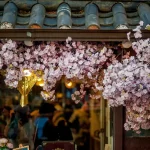
April in Korea brings a food awakening that catches many travelers off guard. While cherry blossoms dominate Instagram feeds, the real magic happens in markets and kitchens where winter’s hearty stews give way to lighter, brighter flavors that celebrate spring’s arrival. Understanding this seasonal shift will transform your Korean dining experience from tourist-level to insider knowledge.
Spring Produce Takes Center Stage
April marks the peak of Korea’s spring vegetable season, with ingredients that only appear for a few precious weeks. Naengi (shepherd’s purse) emerges as the star, its slightly bitter leaves adding depth to soups and pancakes. You’ll find it mixed into naengi-guk (shepherd’s purse soup), a clear broth that Koreans believe cleanses the body after winter.
Wild vegetables called sansai appear in mountain regions and Seoul’s traditional markets. Gosari (bracken fern) shoots and doraji (balloon flower root) show up in bibimbap with a spring twist. The tender shoots have a crisp texture that’s completely different from their preserved winter versions.
Seafood also shifts with the season. April brings the first catch of jeonbok (abalone) from Jeju Island, prized for its sweet, tender meat. Bajirak (littleneck clams) reach their peak flavor, making this the ideal time to try bajirak-guk (clam soup) at its most flavorful.
Street Food That Defines April in Korea
Korea’s street food scene transforms completely as temperatures climb past 15°C. Winter’s heavy hotteok (sweet pancakes) and bungeoppang (fish-shaped pastries) disappear from most stalls, replaced by refreshing options that match the season.
Tteok-galbi vendors multiply along popular walking areas like Hongdae and Myeongdong. These grilled rice cake patties mixed with beef offer protein without the heaviness of winter’s typical fare. The sound of sizzling meat on portable grills becomes Seoul’s April soundtrack.

Cold noodle preparations gain popularity as the first warm days arrive. Mul-naengmyeon (cold buckwheat noodles in broth) appears at street-side stalls, served in metal bowls that keep the broth refreshingly cold. The tangy broth, made with dongchimi (radish water kimchi), provides the perfect contrast to warming weather.
Hotteok doesn’t disappear entirely but evolves. April versions often feature lighter fillings like green tea or fresh fruit instead of the heavy nuts and sugar of winter varieties. Street vendors in university areas like Sinchon experiment with seasonal flavors that appeal to students returning for the spring semester.
Traditional Dishes for the Season Change
Korean families traditionally prepare specific dishes during April to help bodies transition from winter to summer. Ssambap (lettuce wraps) becomes increasingly common as fresh lettuce varieties reach peak tenderness. The ritual of wrapping rice, meat, and vegetables in crisp lettuce leaves represents spring’s renewal.
Miyeok-guk (seaweed soup) takes on special significance in April, traditionally eaten to purify the blood after winter’s rich foods. The deep ocean flavor of the seaweed, combined with light beef or anchovy broth, provides nutrients without the heaviness of winter soups.
Kimchi varieties shift dramatically. Winter’s baechu-kimchi (napa cabbage kimchi) gets supplemented with lighter versions using spring onions, radish tops, and early cucumber varieties. Yeolmu-kimchi (young radish kimchi) appears in restaurants, its bright green color and crisp texture signaling the season’s change.
Temple food traditions also influence April menus. Buddhist temples prepare sansai-namul (seasoned wild vegetables) using foraged mountain plants. These dishes appear in temple stay programs and vegetarian restaurants throughout Korea, offering travelers a taste of Korea’s spiritual food heritage.
Festival Foods and Regional Specialties
April festivals across Korea showcase regional specialties that highlight local spring ingredients. Jinhae’s Cherry Blossom Festival features beoseot-pajeon (mushroom and green onion pancakes) made with locally foraged mushrooms and early spring onions. The pancakes sizzle on large griddles as visitors walk between cherry trees.

Jeju Island celebrates spring with galchi-jorim (braised cutlassfish) prepared with fresh spring vegetables. The silver fish, caught in Jeju’s coastal waters, pairs with tender bamboo shoots and early spring onions in a light soy-based sauce.
Busan’s Jagalchi Fish Market transforms its offerings for spring. Jogae-gui (grilled shellfish) stalls proliferate along the waterfront, serving various clams and oysters grilled over charcoal. The smoke mingles with salt air, creating an unmistakable harbor atmosphere.
Mountain regions like Gangwon Province celebrate sanchae-jeongsik (wild vegetable set meals) that feature dozens of different foraged plants prepared in traditional ways. Each mountain valley produces slightly different varieties, making regional comparison possible for dedicated food travelers.
Where to Find the Best Seasonal Experiences
Seoul’s traditional markets offer the most authentic seasonal food experiences. Gwangjang Market’s bindaetteok (mung bean pancakes) vendors add spring vegetables like crown daisy and shepherd’s purse to their April batches. The vendors’ practiced hands work rhythmically as they ladle batter onto hot griddles.
Department store basement food courts showcase upscale seasonal preparations. Lotte Department Store and Shinsegae feature bom-namul (spring vegetable) selections that highlight premium ingredients prepared by skilled cooks. Prices run higher, but presentation and ingredient quality reflect restaurant standards.
University areas like Hongdae and Sinchon offer fusion approaches to seasonal eating. Student-friendly restaurants create modern interpretations of traditional spring dishes, often incorporating international flavors while maintaining Korean seasonal principles.
Han River parks become outdoor dining destinations as weather permits. Families and friends gather for chimaek (chicken and beer) picnics featuring lighter preparations suited to outdoor eating. The combination of riverside breeze and shared food creates quintessential Korean spring memories.

Budget Breakdown for April Food Adventures
Street food remains Korea’s most budget-friendly seasonal eating option. Individual items like tteok-galbi cost 3,000-5,000 KRW ($2.25-$3.75), while pajeon ranges from 4,000-8,000 KRW ($3-$6) depending on size and ingredients.
Budget Level (20,000-30,000 KRW/$15-$22 per day): Focus on market food courts, university area restaurants, and street vendors. Lunch sets at local restaurants typically cost 8,000-12,000 KRW ($6-$9), while traditional market meals run 6,000-10,000 KRW ($4.50-$7.50).
Mid-range Level (40,000-60,000 KRW/$30-$45 per day): Include department store food courts, casual dining restaurants, and festival food experiences. Restaurant meals with seasonal specialties cost 15,000-25,000 KRW ($11-$18.50), while festival foods add 10,000-15,000 KRW ($7.50-$11) for sampling multiple vendors.
Comfortable Level (80,000+ KRW/$60+ per day): Embrace temple stays with traditional meals, high-end seasonal restaurants, and guided food tours. Temple stay meals cost 30,000-50,000 KRW ($22-$37), while guided market tours with tastings run 60,000-80,000 KRW ($45-$60) per person.
Frequently Asked Questions
What seasonal foods are only available in April?
Wild vegetables like shepherd’s purse and bracken fern shoots reach peak freshness in April. These ingredients appear briefly in markets and restaurants before becoming harder to find as summer approaches.
Are there any seasonal food allergies to consider?
Spring vegetables can trigger reactions in people sensitive to bitter compounds. Wild mushroom varieties also appear in April dishes, so those with mushroom allergies should ask about ingredients carefully.
How do I know if seasonal ingredients are authentic?
Look for vendors sorting through fresh vegetables early in the morning at traditional markets. Seasonal items should appear slightly wilted or earthy, not perfectly clean like imported versions.
Should I book restaurant reservations for seasonal specialties?
Popular restaurants featuring seasonal menus often require reservations, especially during cherry blossom season. Book 2-3 days ahead for weekend dining at establishments known for spring ingredients.
What’s the best way to experience temple food in April?
Temple stays offer authentic seasonal vegetarian meals, but day visitors can try temple food restaurants in Seoul like Sanchon or Balwoo Gongyang for professionally prepared spring mountain vegetable dishes.
Explore more
South Korea’s New Digital Nomad Visa: A Game Changer for Long-Term Travelers
Seoul’s New Immersive K-Pop Experience Center Grand Opening Welcomes Travelers
Summer Korea 2026: Beat the Heat with These Festival & Beach Ideas