On this page
- Understanding the Digital Nomad Visa Requirements
- The Application Process: Step-by-Step Breakdown
- Living Costs and Budget Planning for 2026
- Best Cities and Neighborhoods for Digital Nomads
- Healthcare, Banking, and Essential Services Access
- Tax Implications and Legal Considerations
- Networking and Community Resources
- Frequently Asked Questions
The launch of South Korea’s K-Digital Nomad Visa in late 2025 has transformed the landscape for remote workers seeking a base in East Asia. Unlike the previous tourist visa restrictions that limited stays to 90 days, this new visa category allows qualified professionals to live and work remotely in Korea for up to two years, with the possibility of renewal.
Understanding the Digital Nomad Visa Requirements
The K-Digital Nomad Visa targets remote workers earning at least $70,000 USD annually (approximately 94.5 million KRW in 2026) from employment or clients outside of Korea. Applicants must demonstrate one year of remote work experience and provide proof of comprehensive health insurance covering their entire stay.
The visa specifically prohibits working for Korean companies or seeking local employment. Your income must come from foreign sources, whether that’s a remote job with an overseas employer, international freelance clients, or a foreign-based business you own. The Korean Immigration Service verifies this through bank statements, employment contracts, and tax documents from your home country.
Educational requirements include a bachelor’s degree or equivalent professional experience in your field. IT professionals, designers, writers, consultants, and digital marketers make up the majority of successful applicants. The government maintains a preferred occupation list, though it’s not exclusive.
Age restrictions apply: you must be between 25 and 50 years old when applying. This reflects Korea’s strategy to attract established professionals rather than recent graduates or career changers.
The Application Process: Step-by-Step Breakdown
The application process begins at Korean consulates worldwide, not within Korea itself. You cannot switch from a tourist visa to the digital nomad visa while in the country. The entire process typically takes 4-6 weeks from submission to decision.

Required documents include a completed visa application form, passport photos, proof of income for the past 12 months, health insurance documentation, criminal background checks from your home country and any country where you’ve lived for more than six months in the past five years, and educational certificates.
Processing fees vary by consulate but generally range from $80-120 USD. Some consulates require biometric data collection, adding an extra step to the process. Once approved, you receive a single-entry visa that must be activated within three months of issuance.
Upon arrival in Korea, you must register your address within 90 days and apply for an Alien Registration Card (ARC). The ARC process requires additional documentation, including a Korean address confirmation and updated health check results from a Korean medical facility.
Living Costs and Budget Planning for 2026
Housing represents the largest expense for digital nomads in Korea. Seoul’s competitive rental market demands significant upfront costs, including key money deposits that can range from 10-50 million KRW ($7,400-37,000 USD) depending on the neighborhood and property type.
Budget Tier (Monthly expenses): 2.5-3.5 million KRW ($1,850-2,590 USD). This includes a small one-room apartment in outer Seoul areas like Nowon or Dobong, basic Korean meals, public transportation, and minimal entertainment.
Mid-Range Tier: 4-6 million KRW ($2,960-4,440 USD). Covers a decent studio or one-bedroom in areas like Hongdae or Itaewon, mix of Korean and international food, occasional dining out, gym membership, and weekend activities.
Comfortable Tier: 7-10 million KRW ($5,180-7,400 USD). Allows for a spacious apartment in premium neighborhoods like Gangnam or Yongsan, regular international dining, co-working space memberships, frequent travel within Korea, and entertainment expenses.
Utilities typically add 100,000-200,000 KRW ($74-148 USD) monthly, while high-speed internet costs around 30,000-50,000 KRW ($22-37 USD). Korea’s excellent public transportation system keeps commuting costs low at roughly 60,000-80,000 KRW ($44-59 USD) monthly for unlimited subway and bus use in Seoul.

Best Cities and Neighborhoods for Digital Nomads
Seoul dominates as the preferred destination, offering the most comprehensive infrastructure for international residents. Gangnam District provides premium amenities and international business environments but commands premium prices. The area around Coex and Teheran-ro buzzes with the electronic hum of Korea’s tech industry.
Hongdae appeals to younger digital nomads with its vibrant nightlife and creative atmosphere. The neighborhood’s numerous 24-hour cafes and co-working spaces cater to flexible work schedules. Itaewon offers the highest concentration of international services, from foreign-friendly banks to English-speaking healthcare providers.
Busan presents an attractive alternative to Seoul, with significantly lower living costs and a more relaxed coastal lifestyle. The Haeundae and Centum City areas provide modern infrastructure while maintaining beach proximity. Co-working spaces in Busan charge 30-40% less than Seoul equivalents.
Jeju Island attracts digital nomads seeking a subtropical environment and lower stress levels. The island’s government actively courts remote workers with special programs and networking events. However, limited international flight connections and fewer co-working options make it more suitable for established nomads with flexible schedules.
Smaller cities like Daegu and Gwangju offer authentic Korean experiences with minimal language barriers for basic services. These locations work best for nomads comfortable with Korean basics or those seeking cultural immersion over convenience.
Co-working Space Landscape
Seoul’s co-working scene expanded rapidly in 2025-2026, with spaces specifically targeting digital nomads. WeWork maintains several locations with international community events. Local operators like Fastfive and SparkPlus offer more affordable alternatives with Korean corporate networking opportunities.
Monthly co-working memberships range from 200,000-500,000 KRW ($148-370 USD) depending on location and amenities. Many spaces include 24/7 access, printing services, meeting rooms, and networking events designed for international professionals.
Healthcare, Banking, and Essential Services Access

Digital nomad visa holders can access Korea’s National Health Insurance system after six months of continuous residence. This significantly reduces medical costs, with typical consultation fees dropping from 50,000-100,000 KRW to 5,000-15,000 KRW ($3.70-11 USD) for basic visits.
International hospitals in Seoul like Seoul National University Hospital and Asan Medical Center maintain English-speaking staff and international patient services. Private health insurance remains mandatory during the first six months and serves as backup coverage afterward.
Banking presents initial challenges as most Korean banks require employment verification or significant deposit amounts for foreigners. Citibank and Standard Chartered offer foreigner-friendly services but with higher fees. Some digital nomads maintain their home country accounts and use international ATMs, accepting the withdrawal fees as a cost of convenience.
Internet infrastructure rivals anywhere globally, with average speeds exceeding 100 Mbps for residential connections. Most apartments include fiber optic internet in monthly rent, and mobile data plans offer unlimited usage for 30,000-50,000 KRW ($22-37 USD) monthly.
Tax Implications and Legal Considerations
Tax obligations for digital nomad visa holders depend on several factors including length of stay, income sources, and home country tax treaties. Korea generally considers residents for tax purposes after 183 days of physical presence in a calendar year.
Most nomads working for foreign employers or clients remain tax residents of their home countries, but Korean tax liability may still apply to certain types of income. Professional tax consultation becomes essential, particularly for those planning multi-year stays or earning significant investment income.
Double taxation treaties between Korea and major Western countries provide some protection, but the complexity requires expert guidance. Many nomads budget 2-5% of their annual income for professional tax advice and compliance.
Legal work restrictions remain strict. Any paid work for Korean entities, including freelance projects for Korean companies, violates visa terms and can result in deportation. The Immigration Service conducts periodic compliance checks, particularly for visa renewals.

Networking and Community Resources
The Seoul Digital Nomads Facebook group, established in early 2026, has become the primary networking hub with over 2,000 members sharing housing tips, co-working recommendations, and social event announcements. Weekly meetups rotate between Itaewon, Hongdae, and Gangnam to accommodate different communities.
Professional networking extends beyond casual meetups through organizations like the Seoul Foreign Chamber of Commerce, which welcomes digital nomad visa holders as associate members. These connections often prove valuable for expanding client bases or finding collaboration opportunities.
Language exchange programs help nomads develop Korean skills while building local friendships. Apps like HelloTalk and Tandem connect international residents with Koreans seeking English practice, creating mutually beneficial relationships.
Korean government initiatives include monthly information sessions for foreign residents covering topics like healthcare enrollment, tax obligations, and cultural adaptation. These sessions, conducted in English, take place at district offices in major expat neighborhoods.
The Korea Digital Nomad Association, formed by early visa recipients, advocates for policy improvements and organizes professional development workshops. The organization maintains relationships with government officials and provides feedback on visa program implementation.
Frequently Asked Questions
Can I travel to other countries while holding the digital nomad visa?
Yes, but extended absences may affect your visa renewal eligibility. Immigration authorities expect you to maintain Korea as your primary residence. Trips over 30 days should be reported, and absences exceeding 90 days annually may complicate renewal applications.
What happens if my foreign income drops below the $70,000 threshold during my stay?
You must maintain the income requirement throughout your visa validity period. Temporary drops due to client transitions may be acceptable with proper documentation, but sustained decreases below the threshold will likely result in visa renewal denial.

Can my spouse and children join me on a dependent visa?
Currently, the digital nomad visa doesn’t include dependent visa categories. Family members must qualify for separate visas or enter as tourists with the associated time limitations. The government is reviewing dependent visa options for future program updates.
Is it possible to switch from the digital nomad visa to permanent residence?
The digital nomad visa doesn’t provide a direct path to permanent residence. However, time spent in Korea on this visa may count toward residency requirements if you later qualify for other visa categories like skilled worker or investor visas.
What are the renewal requirements for the second two-year term?
Renewal requires demonstrating continued foreign income, clean criminal record, tax compliance in both Korea and your home country, and proof of integration into Korean society. The Immigration Service evaluates each renewal application individually, and approval isn’t guaranteed.
Explore more
Seoul’s New Immersive K-Pop Experience Center Grand Opening Welcomes Travelers
Summer Korea 2026: Beat the Heat with These Festival & Beach Ideas
Spring in Korea 2026: Beyond Cherry Blossoms – Festivals & Fun
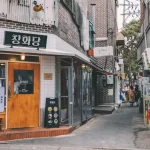
📷 Featured image by Timothy Ries on Unsplash.