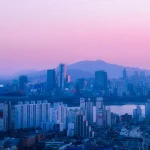
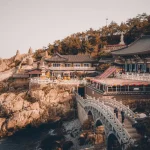
April 2026 marks another spectacular lantern season across South Korea, with Buddhist temples and cultural sites illuminating the spring nights in preparation for Buddha’s Birthday celebrations. The extended festival period now runs deeper into the month than in previous years, giving visitors more flexibility to witness these mesmerizing displays without the crushing crowds of peak weekend nights.
Seoul’s Buddhist Temple Lantern Displays
Jogyesa Temple in Insadong transforms into a glowing wonderland throughout April, with thousands of paper lanterns strung between ancient trees and temple buildings. The gentle rustle of lantern paper in the evening breeze creates an almost meditative soundscape that draws both locals and visitors into quiet contemplation. Each lantern bears handwritten prayers and wishes, creating a tapestry of hopes that illuminates the temple grounds from dusk until 10 PM daily.
Bongeunsa Temple in Gangnam offers a more modern temple experience, where traditional lotus-shaped lanterns blend with the glittering skyline of Seoul’s business district. The contrast between ancient Buddhist traditions and contemporary city life becomes particularly striking during evening hours, when temple bells chime against the backdrop of illuminated skyscrapers.
Templestay programs during April include special lantern meditation sessions at several Seoul temples. These evening programs, typically running from 7 PM to 9 PM, allow participants to sit quietly among the lantern displays while learning basic Buddhist meditation techniques. Advanced booking through individual temple websites is required, with most sessions conducted in Korean but often including English-speaking volunteers.
Temple Access and Timing
Most Seoul temples keep their lantern displays illuminated from sunset until 10 PM throughout April. Entry to temple grounds remains free, though some temples request small donations for lantern lighting ceremonies. The subway system provides convenient access to major temple sites, with Jonggak Station serving Jogyesa Temple and Bongeunsa Station connecting directly to Bongeunsa Temple.

Regional Festival Hotspots Beyond the Capital
Busan’s Samgwangsa Temple hosts one of Korea’s largest lantern festivals, with over 100,000 colorful lanterns creating a spectacular hillside display visible from across the city. The temple’s elevated location provides panoramic views of both the lantern installation and Busan’s harbor lights, creating a unique fusion of natural beauty and urban illumination.
Gyeongju transforms its ancient temple sites into glowing historical landscapes during April. Bulguksa Temple, a UNESCO World Heritage site, carefully integrates lantern displays with its centuries-old architecture, ensuring that modern celebrations complement rather than overshadow the temple’s historical significance. The combination of spring cherry blossoms and evening lantern light creates particularly photogenic scenes throughout the temple complex.
Jeju Island’s temple lantern displays offer a more intimate experience, with smaller temples creating cozy, family-friendly environments for lantern viewing. The island’s mild April weather makes evening temple visits particularly pleasant, with ocean breezes carrying the subtle fragrance of spring flowers blooming throughout temple gardens.
Regional Transportation Considerations
KTX and SRT services provide reliable connections between Seoul and major regional festival sites. Busan requires approximately 3 hours by high-speed rail, while Gyeongju is accessible via KTX to Singyeongju Station followed by local bus connections to temple sites. Jeju Island requires flight connections, with several daily services from Seoul’s Gimpo Airport.
Photography and Cultural Etiquette Guidelines
Lantern photography requires specific techniques to capture the warm glow without overwhelming bright spots or dark shadows. Manual camera settings work best, with ISO 800-1600 providing sufficient sensitivity for handheld shots while maintaining image quality. The golden hour just after sunset offers the ideal balance between ambient daylight and lantern illumination.
Temple photography etiquette remains strictly observed during lantern season. Flash photography is prohibited within temple buildings and near meditation areas. Visitors should maintain respectful distance from prayer ceremonies and avoid disrupting worshippers seeking quiet contemplation among the lantern displays.

Drone photography faces significant restrictions around temple sites, with most locations prohibiting drone use entirely due to safety concerns and noise disruption. Check with individual temples before bringing camera equipment beyond basic smartphones and compact cameras.
Smartphone Photography Tips
Modern smartphones handle lantern photography surprisingly well using night mode features. The key involves holding the device steady for 2-3 seconds while the camera captures multiple exposures. Portrait mode can create attractive bokeh effects with lantern backgrounds, though manual focus adjustments may be necessary in low-light conditions.
Planning Your April 2026 Lantern Journey
April 2026 lantern viewing requires strategic planning around Buddha’s Birthday, which falls on May 5th this year, extending festival preparations throughout April. Peak viewing periods occur during the final two weeks of April, when temple displays reach full intensity and special evening ceremonies take place.
Accommodation near major temple sites fills quickly during lantern season. Seoul’s Insadong and Myeongdong neighborhoods provide walking access to multiple temple locations, though prices increase by 20-30% during peak festival periods. Booking confirmation at least 30 days in advance ensures availability and better rates.
Weather considerations for April lantern viewing include potential spring rain showers, which can create dramatic reflections but may limit outdoor photography opportunities. Lightweight rain gear and umbrella become essential accessories, though many temples provide covered viewing areas during inclement weather.
Budget Planning for 2026
Basic temple lantern viewing costs remain minimal, with most displays offering free admission. Budget travelers can expect daily expenses of 30,000-40,000 KRW ($22-30 USD) including subway transportation and simple meals. Mid-range visitors spending 60,000-80,000 KRW ($44-59 USD) daily can include restaurant dining and taxi convenience. Comfortable budgets of 120,000+ KRW ($89+ USD) daily allow for temple stay programs and guided cultural experiences.

Traditional Crafts and Lantern-Making Experiences
Several Seoul cultural centers offer hands-on lantern-making workshops throughout April, teaching traditional paper-folding techniques and natural dye applications. These 2-3 hour sessions typically cost 25,000-35,000 KRW ($19-26 USD) and include materials for creating personal lotus-shaped lanterns using authentic Korean paper.
Insadong’s traditional craft shops sell lantern-making supplies for independent projects, including hanji paper, bamboo frames, and natural pigments. Shop owners often provide basic instruction for simple lantern designs, though complex constructions require workshop attendance or significant crafting experience.
Temple volunteer programs sometimes include lantern preparation activities, where visitors can assist with display setup while learning about Buddhist symbolism and traditional crafting methods. These volunteer opportunities require advance arrangement through temple administration offices and basic Korean language skills for safety instructions.
Children’s Lantern Activities
Family-friendly lantern workshops adapt traditional techniques for younger participants, using simplified folding patterns and washable paint options. Many programs include storytelling elements explaining Buddhist traditions and the cultural significance of lantern festivals in Korean history.
Frequently Asked Questions
When do temple lantern displays start lighting each evening?
Most temple lantern displays illuminate at sunset, approximately 7:00-7:30 PM in April, and remain lit until 10:00 PM. Some larger temples begin partial lighting 30 minutes before sunset for gradual visual transitions.
Are temple lantern displays suitable for young children?
Yes, temple lantern viewing appeals to all ages. Children particularly enjoy the colorful displays, though parents should maintain supervision near meditation areas and observe quiet behavior expectations within temple grounds.
Can I write wishes on lanterns at temple displays?
Some temples offer wish-writing opportunities on designated lanterns for small donations of 1,000-3,000 KRW ($0.74-2.22 USD). However, most display lanterns are pre-prepared by temple communities and volunteers.
Do temple lantern festivals continue if it rains?
Lantern displays typically continue during light rain, though some outdoor activities may be cancelled during heavy downpours. Most temples provide covered viewing areas and indoor alternative spaces during severe weather.
Are there any dress code requirements for temple lantern viewing?
Modest dress is appreciated but not strictly enforced for lantern viewing. Avoid revealing clothing, remove shoes when entering temple buildings, and dress warmly for cool April evenings.
Explore more
Seoul’s Royal Culture Festival: What to See and Do in April 2026
South Korea in April 2026: Essential Packing and Weather Tips for Travelers
Seasonal Korean Flavors: Your April 2026 Food Guide for Travelers
📷 Featured image by Elle Morre on Unsplash.